
Vandaag of morgen in huis

Kwaliteit gegarandeerd

Welkomstaanbiedingen ontgrendelen: GRATIS bezorging | Tot 80% korting | Gratis 30 dagen JoyPlus-proefperiode
Download de app
Are you searching for that authentic taste of home, or are you an adventurous home cook looking to perfect a dish like clay pot rice? Finding the right Chinese sausage can be a challenge. The shelves offer various types, from sweet and mild to intensely spicy. This article serves as a practical guide to help you understand the different flavours and make a choice that suits your dish and personal preference.
Before you make a choice, it's helpful to know a few basics. The type of sausage largely determines the flavour and texture of your final dish.
Asian sausages come in many flavours. The three most common varieties you can find in the Netherlands are:
The choice of sausage depends heavily on the cooking method:
Below is a selection of different types of Chinese sausage, based on their specifications and typical applications.
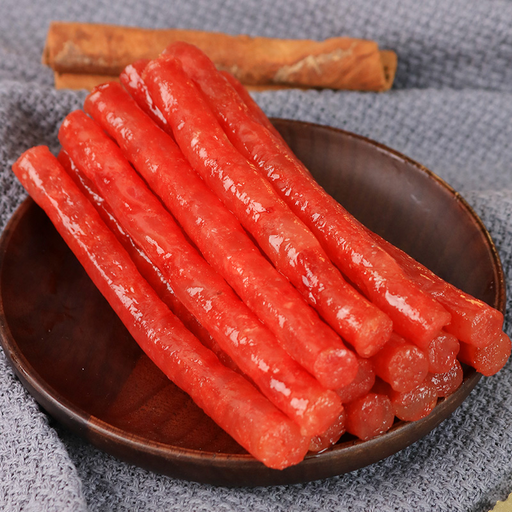
Why it stands out: This sausage follows the classic Cantonese recipe, with a distinct sweet-savoury balance. The addition of rose wine, as mentioned in the ingredients list, gives it that characteristic, subtle fragrance that fans of Lap Cheong will instantly recognise.
Pros:
Who is it for? For anyone seeking the classic taste of Cantonese sausage. If you plan to make clay pot rice (Bao Zai Fan), fried rice with sausage, or Cheung Fun (steamed rice noodle rolls), this is a reliable choice.
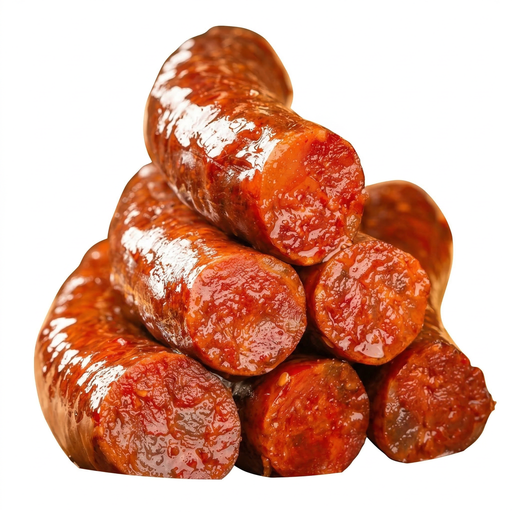
Why it stands out: This sausage delivers the unmistakable flavour of Sichuan. The combination of chilli and Sichuan peppercorn provides a spicy, slightly numbing sensation that is central to Sichuan cuisine.
Pros:
Who is it for? For the adventurous eater who isn't afraid of a little heat. If you appreciate Sichuan dishes or want to take your hot pot experience to the next level, this sausage is an excellent addition to your pantry.
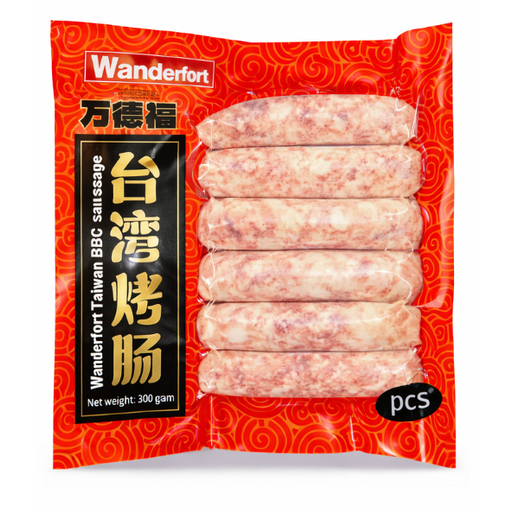
Why it stands out: Unlike the dried varieties, this is a fresh sausage that retains its juiciness. The flavour is balanced, sweet and savoury, specifically developed for high-temperature cooking like grilling or pan-frying.
Pros:
Who is it for? Perfect for summer barbecues, as a quick and flavourful meal component, or for those who want to bring the atmosphere of a Taiwanese night market into their home. An approachable option for those new to Asian sausages.
A great dish is more than just the sausage. The right foundation is just as important to complete your meal. Are you looking for the perfect noodles to pair with your stir-fry or soup?
Discover our range of Shanghai Noodles
Lap Cheong is the Cantonese term for a specific type of dried, sweet pork sausage. The term Chinese sausage is broader and includes all kinds of sausages from different regions of China, including the spicy Sichuan variety and the fresh Taiwanese sausage. When people in the Netherlands buy Lap Cheong, they usually mean the sweet Cantonese style.
Dried sausages like the Cantonese and Sichuan varieties can be stored unopened in a cool, dry place. Once opened, it is advisable to store them in the refrigerator and consume them within a few weeks. For longer storage, you can freeze them. Fresh sausages like the Taiwanese variety should always be kept in the freezer.
The simplest method for dried sausage is steaming. Place the whole sausages on top of the rice while it cooks. The steam cooks the sausage, and the flavours infuse into the rice. You can also slice them thinly and briefly add them to a stir-fry. Taiwanese sausage is best when pan-fried or grilled until the outside is golden-brown and crispy.
