
Livraison le jour même et le lendemain

Qualité garantie

Débloquez vos offres de bienvenue: Livraison GRATUITE | Jusqu'à -80 % | 30 jours d'essai gratuits à JoyPlus
Téléchargez l'application
You're standing in front of the shelf, whether online or in an Asian grocery store, faced with the term "Asian sausage". One package promises authentic flavour, another a unique texture. But which one do you actually need for your clay pot rice, hot pot, or stir-fry? It's easy to make the wrong choice. Many home cooks run into the same problems:
dry sausage for frying.This guide will help you avoid these pitfalls and choose the right sausage for your culinary adventure.
To avoid disappointment, it's wise to pay attention to a few specific details. This will help you see past the marketing and select a product that truly fits what you want to create.
The foundation of any sausage is the meat. Is it made from pork, chicken, or beef? And more importantly: what is the meat content? A higher percentage of meat often indicates a richer flavour and a better texture. Products with low meat content may contain more starch or other fillers, resulting in a mushy or less flavourful sausage. So, always check the ingredients list.
"Asian sausage" is a broad term. The flavour heavily depends on its region of origin.
lap cheong): The most well-known variety is the Cantonese style. This is a dried, somewhat firm sausage that is sweet and savoury due to the use of sugar and soy sauce. Perfect for steaming with rice.By knowing the origin, you'll have a better idea of the flavour profile to expect.
Not every sausage is suitable for every type of preparation.
lap cheong are air-dried. They are firm and often need to be steamed or boiled first before being used in dishes like stir-fries.Check the recommended preparation method on the packaging to ensure you're using the sausage correctly. This makes it easy to order sausage online that's right for your dish.
To get you started, we've matched some popular choices with different cooking styles and preferences.
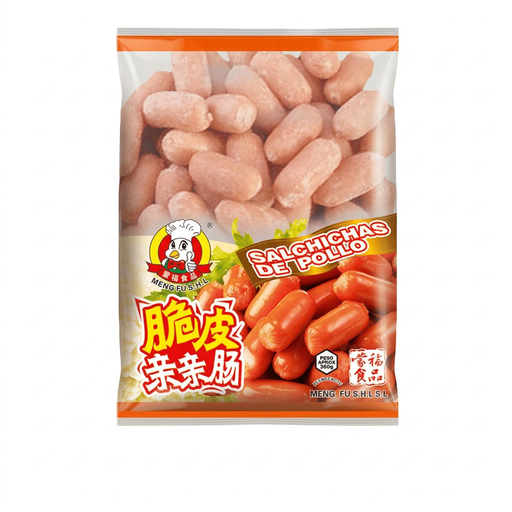
Why This Fits Their Persona: Specifically designed for hot pot, with a juicy texture and a crisp casing that holds up well in the broth.
The product description is clear: "Perfect for hot pots". This ensures you don't accidentally buy a dried sausage that's unsuitable for this preparation.
Made with 46% chicken for a tender bite and a special edible casing for a pleasant textural contrast.
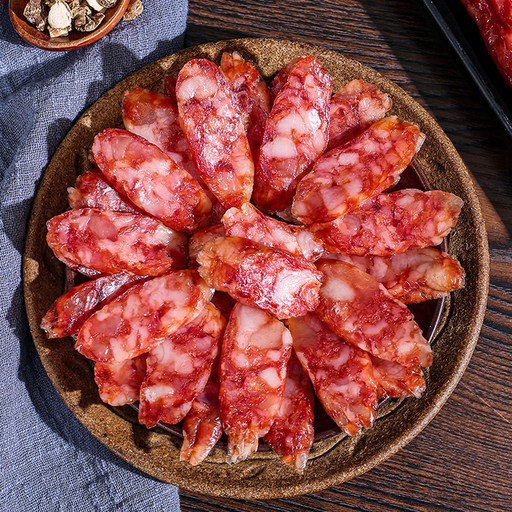
Why This Fits Their Persona: This is the classic lap cheong that imparts the signature sweet-savoury flavour to dishes like clay pot rice and Yang Chow fried rice.
The name "Cantonese Sweet Sausage" prevents confusion. You know you're buying the sweet, dried variety and not a spicy Sichuan sausage.
Authentic flavour from the combination of pork and Chinese rice wine. Ideal for steaming or stir-frying.
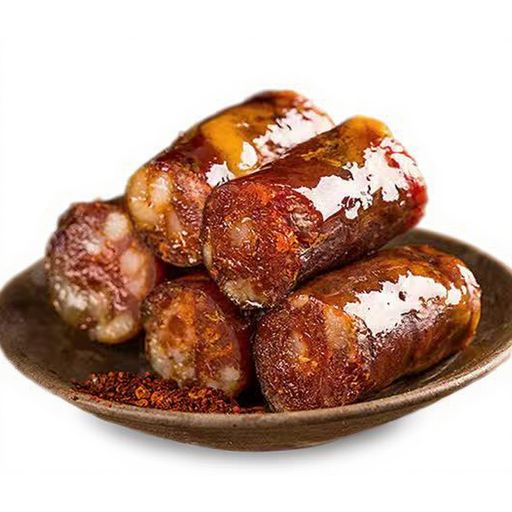
Why This Fits Their Persona: For those who want to experience the authentic, numbing, and spicy 'mala' flavour of Sichuan cuisine. An adventurous choice.
The description is crystal clear: "Authentic Sichuan-style spicy sausage with intense mala flavor". There's no risk of an unexpectedly sweet taste.
Contains real Sichuan pepper and chilli for a complex, spicy flavour characteristic of the region.
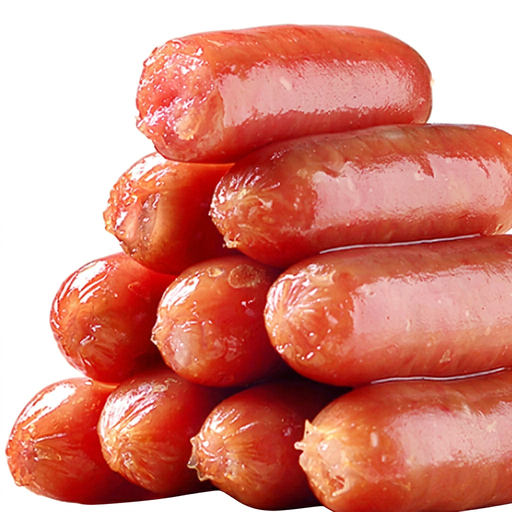
Why This Fits Their Persona: This juicy Taiwanese sausage is perfect for the grill or pan. Ideal as a quick snack, in a bun, or as part of a meal.
The high pork content of 85% avoids the pitfall of a sausage packed with fillers. You get a product with a firm, meaty texture.
High meat content for a juicy result and a classic, slightly sweet Taiwanese flavour. Ready to cook straight away.
We have compiled a complete, up-to-date list of products that meet these selection criteria.
This depends on the type. A dried sausage like Cantonese lap cheong can often be stored in a cool, dry place, but always check the packaging. Many other types, especially fresh varieties or sausage for hot pot, must be stored in the freezer at -18°C. The label provides the definitive instructions.
Yes, virtually all types of Asian sausage must be cooked before consumption. The recommended method varies by type: steaming, boiling, frying, or grilling. Eating it raw is not recommended. The packaging provides the correct instructions for safe and tasty preparation.
While many variations exist, Chinese sausage (specifically Cantonese lap cheong) is often a dried, shrunken pork sausage with a sweet-savoury flavour. Taiwanese sausage is typically a fresh, plumper, and juicier pork sausage intended for grilling. Its flavour is also often sweetish, but the texture and spice blend are distinctly different.
