
Vandaag of morgen in huis

Kwaliteit gegarandeerd

Welkomstaanbiedingen ontgrendelen: GRATIS bezorging | Tot 80% korting | Gratis 30 dagen JoyPlus-proefperiode
Download de app
The term ‘carbon fiber’ is popping up more and more. From high-tech sports equipment to sleek gaming accessories, the material radiates strength, lightness, and a modern aesthetic. But this popularity has a downside. The market is flooded with products using the term, while the quality and actual benefits vary widely. If you're not careful, you could be paying for a marketing term instead of a better product.
As a Joybuy Product Recommendation Officer, I'm here to help you see through the hype. We'll discuss the most common pitfalls and give you practical advice to make the right choice.
Before you invest in carbon fiber products, it's wise to know what to look for. Many consumers fall into these two common traps:
To avoid a bad buy, you can check a few concrete specifications. These will help you verify manufacturers' claims and find a product that truly suits your needs.
The most important question is what the manufacturer means by 'carbon'. Look for terms in the product description that provide clarity:
The benefits of carbon fiber are not universal; they depend on the product type. Lightweight carbon gear is crucial for an angler holding a rod all day, but irrelevant for a gaming desk that stays in one place.
So, ask yourself: what problem is the carbon in this product supposed to solve?
Based on clear specifications and user applications, we have selected a number of products that fit different profiles.
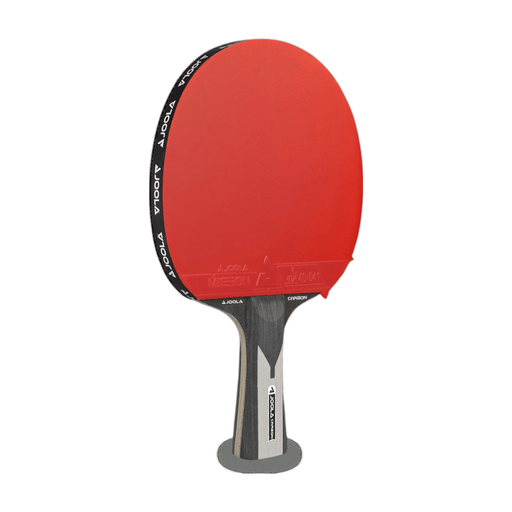
Why This Fits Their Persona: For the table tennis player looking to improve their offensive game. This paddle is designed for power and precision, with the carbon integration playing a direct role in performance.
This is a true carbon fiber reinforced product. The product description specifies a ‘Carbon Speed blade’ with an ‘integrated carbon weave’ that increases stiffness and enlarges the sweet spot. The carbon here is functional, not just cosmetic.
According to the manufacturer JOOLA, the combination of the carbon blade and the ITTF-approved MICRON B rubbers delivers explosive hitting power and superior spin.
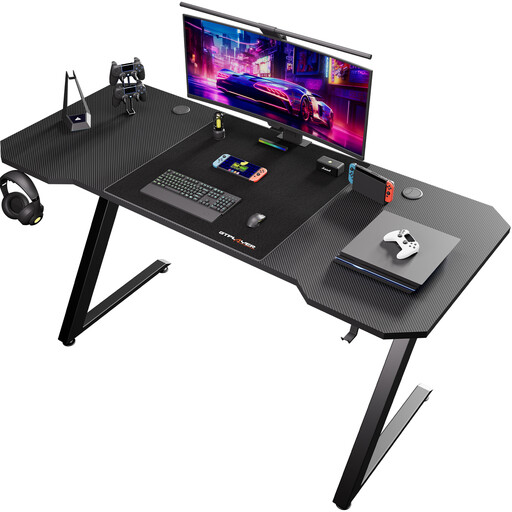
Why This Fits Their Persona: Ideal for gamers and remote workers who want a robust and modern desk. The large surface provides enough space for multiple monitors, and the carbon look fits perfectly with a high-tech setup.
The product name is transparent: ‘Carbon Fibre Surface’. This makes it clear that it is a product with a carbon look. You are paying for the aesthetics and durability of the top, not for weight savings.
The desk combines a sturdy steel frame with a spacious work surface (120x60 cm) and handy extras like a headphone hook, making it a practical choice for a complete setup.
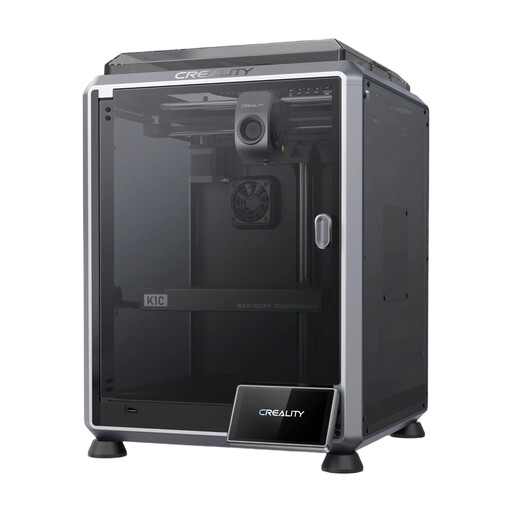
Why This Fits Their Persona: For the maker who wants to push the boundaries of 3D printing. This printer is specifically designed to work with advanced materials, allowing you to produce your own functional, high-strength parts.
This product is not a gimmick; it's a tool that enables 3D printing with carbon fiber. The specifications mention a ‘hardened steel nozzle tip’ and a hotend that can handle 300°C, which is essential for printing with abrasive carbon fiber filaments (PLA-CF, PET-CF).
According to manufacturer Creality, the printer offers a high print speed of up to 600mm/s and a ‘clog-free’ extruder, making the printing process with more difficult materials like carbon filament more reliable.
We've compiled a complete, up-to-date list of products that meet these selection criteria and comply with current regulations.
No. A 'carbon look' is a cosmetic layer. Its durability depends on the quality of that layer and the material underneath (usually particleboard or plastic). Real carbon fiber is a composite material that is inherently extremely strong and wear-resistant. However, a carbon look surface can be scratch-resistant and easy to clean, making it a practical choice for a desktop, for example.
For both real carbon fiber products and those with a carbon look, do not use aggressive cleaning agents or abrasive sponges. A soft, damp cloth is usually sufficient to clean the surface. Always check the manufacturer's maintenance instructions, especially for sports equipment where performance depends on the condition of the material.
Yes, in most cases. Carbon fiber filaments (like PETG-CF) are highly abrasive. This means they can quickly wear down a standard brass nozzle on a 3D printer. For 3D printing with carbon fiber, you need a printer with a hardened steel nozzle. Printers like the Creality K1C are already equipped with one as standard.
