
Vandaag of morgen in huis

Kwaliteit gegarandeerd

Welkomstaanbiedingen ontgrendelen: GRATIS bezorging | Tot 80% korting | Gratis 30 dagen JoyPlus-proefperiode
Download de app
As a Joybuy Product Recommendation Officer, I see the vast selection of 3D printer materials available every day. Choosing the right 3D printer filament can mean the difference between a perfect model and hours of wasted print time. Many hobbyists and professionals fall into the same traps: they are lured by marketing promises that don't hold up in practice. Let's look at the most common problems and how you can avoid them.
Pitfall 1: Inconsistent diameter and poor winding. A spool of filament that isn't perfectly wound or whose thickness varies is the primary cause of clogged nozzles and failed prints. This leads to frustration and wasted material.
Pitfall 2: Moist filament straight out of the box. Filament, especially PETG, absorbs moisture. If a 1kg filament spool is not properly dried and vacuum-sealed, you will immediately experience "popping" sounds, excessive "stringing," and weak, brittle prints.
Pitfall 3: Misleading "special" effects. A beautiful silk filament in a photo might yield a disappointing, dull finish in reality, or a matte filament might not hide layer lines as well as you'd hoped.
By focusing on the specifications that truly matter, you can prevent these issues and confidently choose the right 3D printing material.
The two most common materials for FDM printers are PLA and PETG. The choice depends entirely on what you want to create.
PLA filament (Polylactic Acid) is the most popular material for 3D printing, and for good reason. It's made from renewable resources like corn starch, prints at a relatively low temperature, and is less prone to warping than other materials. This makes it ideal for beginners.
PETG filament (Polyethylene Terephthalate Glycol) combines the ease of printing of PLA with the strength and durability of ABS. It is more resistant to chemicals, higher temperatures, and UV light. This makes it an excellent choice for functional parts.
Besides the material type, there are two technical details you should always check.
Most FDM printers in the UK and US use 1.75mm filament. It is crucial that this diameter is consistent across the entire spool. Look for filament with a specified tolerance of +/- 0.03mm or, even better, +/- 0.02mm. A stable diameter ensures an even flow of material, which prevents clogs and irregular layers. Brands like Creality filament and Cailab filament often specify this tolerance on their packaging.
The finish has a major impact on the appearance of your print.
Below are some filaments that suit specific user profiles, based on their objective specifications.
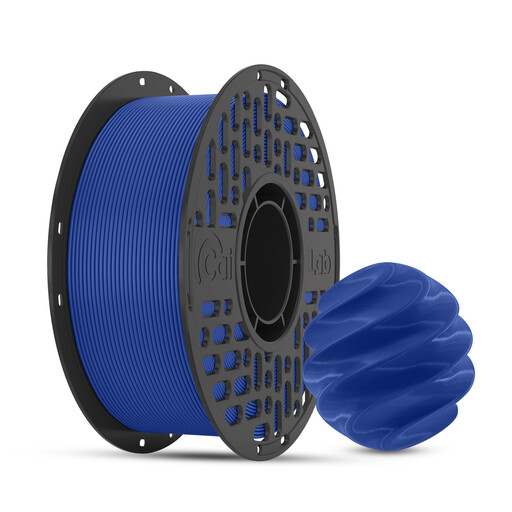
Why This Fits Their Persona: This PLA+ filament is a reliable choice for beginners. It's forgiving, prints easily on most FDM printers, and is suitable for a wide range of projects, from prototypes to decorative models.
This filament is neatly wound and has a consistent diameter, which significantly reduces the risk of clogs (pitfall 1).
Easy to print with minimal warping. According to the manufacturer, the PLA+ formula offers better strength than standard PLA.
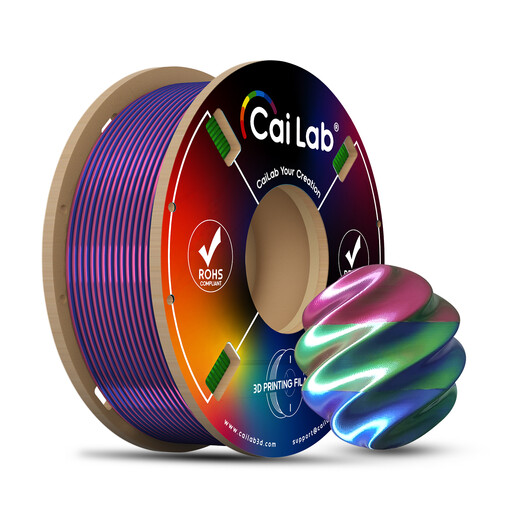
Why This Fits Their Persona: For makers who want to create unique, eye-catching objects. This tri-colour silk filament produces a dynamic colour gradient that changes with the viewing angle, perfect for vases, jewellery, and art projects.
This filament delivers a specific and predictable visual effect, helping you avoid the pitfall of misleading finishes (pitfall 3).
Creates a unique tri-colour effect in a single print, without needing to change filament. The silk sheen provides a luxurious appearance.
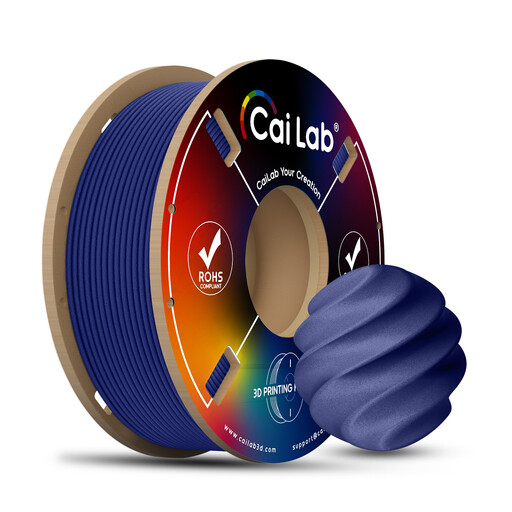
Why This Fits Their Persona: Ideal for printing strong, rigid, and lightweight parts. The addition of carbon fibre to PETG makes this material suitable for functional prototypes, drone parts, or tools.
This filament is vacuum-sealed with a desiccant, which minimises the risk of moisture issues (pitfall 2), a common problem with PETG.
Offers higher rigidity and strength than standard PETG, with a professional matte finish. Note: may require a hardened steel nozzle.
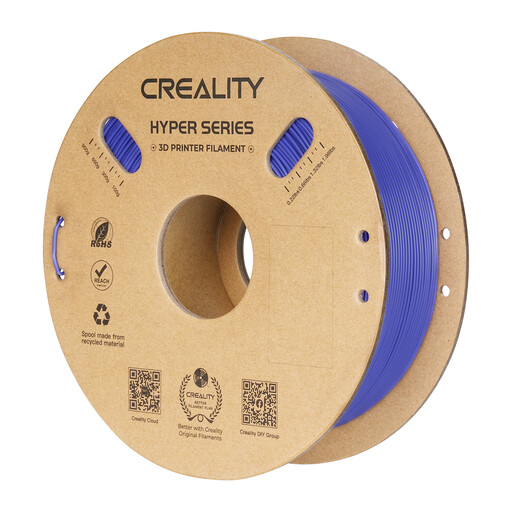
Why This Fits Their Persona: For users with a modern, high-speed 3D printer. According to the manufacturer Creality, this filament is specially developed for high print speeds (up to 600 mm/s), drastically reducing production time.
This material's high fluidity and rapid cooling combat issues like under-extrusion and poor layer adhesion, which often occur when printing at high speeds with standard PLA.
Maintains print quality at high speeds. The specified dimensional tolerance of +/- 0.02mm contributes to its reliability.
We have compiled a complete, up-to-date list of products that meet these strict selection criteria and EU regulations.
The most important factor is moisture. Store your filament spools, especially opened ones, in an airtight container or bag with the included silica gel packets. This prevents the material from absorbing moisture, which leads to poor print results. A dry environment is essential for the longevity of your filament.
PLA is easier to print and ideal for visual models due to its low tendency to warp. PETG is stronger, more flexible, and more resistant to heat and chemicals, making it better suited for functional parts that need to withstand some wear and tear. Choose PLA for aesthetics and ease of use, and PETG for durability and function.
A clogged nozzle is often caused by filament with an inconsistent diameter. If the filament is too thick at any point, it can get stuck in the extruder or nozzle. Dirt on the filament or a print temperature that is too low for the chosen material can also cause a clog. Therefore, always choose filament with a strict tolerance and store it in a dust-free environment.
