
Vandaag of morgen in huis

Kwaliteit gegarandeerd

Welkomstaanbiedingen ontgrendelen: GRATIS bezorging | Tot 80% korting | Gratis 30 dagen JoyPlus-proefperiode
Download de app
Coconut water might seem straightforward at first glance: a tropical drink, serve chilled and you're done. Yet products vary significantly in their composition, portion size and packaging. If you only look out for words like "natural", "electrolytes" or "hydration", you could end up with a sweetened coconut drink that doesn't quite match what you're after.
As a Joybuy Product Recommendation Officer, I've filtered the most important product information in a practical way. This helps you see more quickly which choice suits daily drinking, sport, smoothies, a vegan diet or bulk use.
Check the ingredients list rather than just the front of the packaging. With 100% coconut water, coconut water is listed as the sole ingredient. Grace 100% Coconut Water and FOCO Coconut Water 12x330 ml, for example, are described as coconut water with no added sugar.
Other products contain fructose, cane sugar, flavourings or coconut pulp alongside coconut water. That doesn't automatically make them unsuitable, but it does mean a different taste and composition.
A product labelled as coconut juice or coconut drink may contain coconut water, but also water, sugar, stabilisers or coconut extract. According to the product information, FOCO Coconut Juice Original contains water, coconut extract, sugar, stabiliser and flavouring. That's quite different from natural coconut water with a single ingredient.
Fans of a creamier, sweeter Asian coconut drink might deliberately choose coconut juice. If you're after a pure variety, it's worth checking the label.
A 1 litre coconut water is handy for home, smoothies or several glasses. For on the go, a multipack with smaller containers might make more sense. Also pay attention to storage instructions: unopened cartons can often be kept outside the fridge, whereas opened coconut water must be refrigerated and used within the timeframe stated on the packaging.
Look for a clear ingredients list. With coconut water that has no added sugar, naturally occurring sugars may still appear in the nutritional information table. That's different from extra sugar, fructose or cane sugar added during production.
Examples:
A single litre carton is suitable if you regularly use coconut water at home. A coconut water multipack is more interesting for families, offices, hospitality venues or sports clubs. Compare the total volume, not just the number of cartons. Twelve 330ml cartons contain 3.96 litres in total; twelve 1-litre cartons contain 12 litres.
Smaller packs are easier to take with you and reduce waste if you don't open a litre every day. Larger packs are useful in smoothies, cocktails and recipes.
Many brands refer to naturally occurring electrolytes, such as potassium. According to the product description, the Vita Coco 12-pack contains naturally occurring electrolytes like potassium. FOCO states, according to its own product information, five electrolytes: potassium, sodium, calcium, phosphorus and magnesium.
Assess such information based on the nutritional table and ingredients list. Coconut water with electrolytes is no guarantee of a specific effect during sport or recovery. For ordinary thirst, taste, composition and ease of use are often more important than a marketing claim.
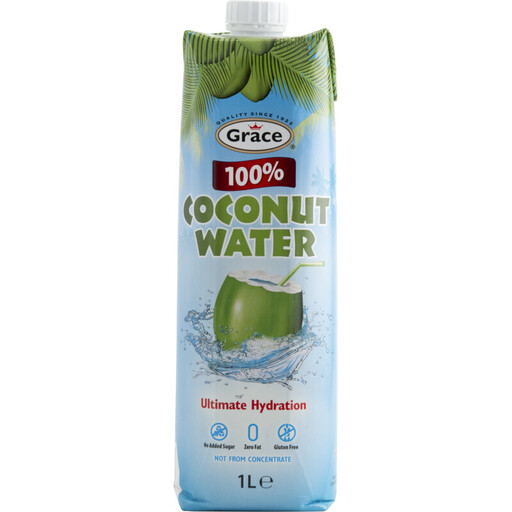
Why this fits the profile: A single litre carton is a straightforward way to try coconut water without buying a large stock straight away.
The product information lists coconut water as the only ingredient and no added sugars. This makes the composition easy to check.
1 litre content; 22 kcal and 5g sugars per 100ml according to the stated table; gluten-free and with no declarable EU allergens.
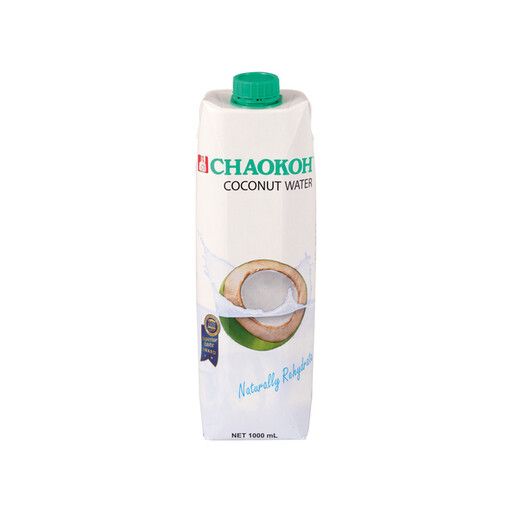
Why this fits the profile: This variety suits those who pay attention to origin, a short ingredients list and information about minerals.
The ingredients list states 100% coconut water, with no added sugar, preservatives or artificial colourings according to the product description.
Sourced from Thailand; 20 kcal per 100ml; stated values for potassium, magnesium, calcium and sodium among others.
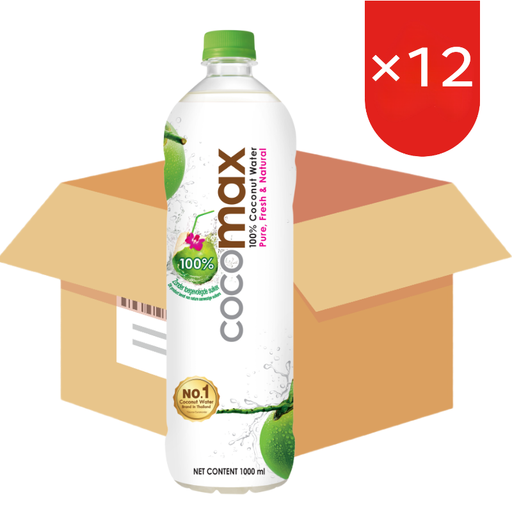
Why this fits the profile: The box of twelve litre cartons is aimed at sports venues, families, offices and regular use in smoothies.
The product information states 100% coconut water and no added sugar. You're also buying one consistent variety rather than assorted mixed drinks.
12 x 1 litre; 21 kcal and 4.5g sugars per 100ml according to the stated values; suitable for drinking, smoothies and mixed drinks.
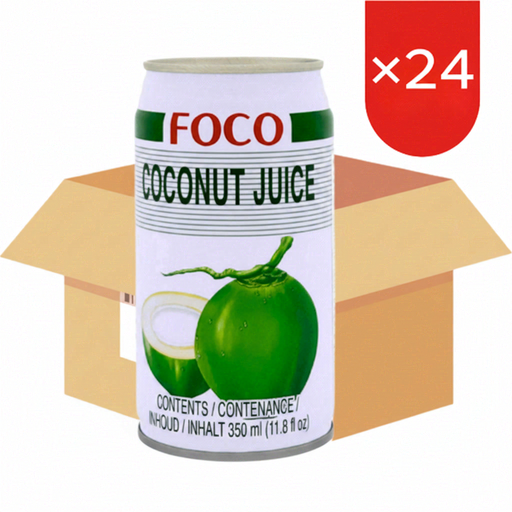
Why this fits the profile: The sweeter, creamier style suits those looking for a tropical coconut drink to enjoy chilled or served with ice.
The product information clearly lists water, coconut extract, sugar, stabiliser and flavouring. This means you know it's coconut juice and not 100% coconut water.
24 packs; 350ml each according to the product name; 38 kcal and 8.5g sugars per 100ml according to the stated table.
We've put together a full, up-to-date list of products that fully meet these strict selection criteria and comply with current European safety regulations.
No. "No added sugar" only means that no extra sugar has been added. Also check the percentage of coconut water and the other ingredients. A product may, for example, contain vitamin C or other components and still have no added sugar.
This varies by brand and packaging. Grace states for some varieties a maximum of two days after opening; Vita Coco advises consuming within three days. According to the product information, Chaokoh states a maximum of seven days after opening. Always keep it refrigerated, seal the packaging well and follow the timeframe on the label.
Coconut water can be used as a drink around exercise, but its suitability depends on the duration and intensity of the activity, your personal preference and your overall diet and fluid intake. Brands often mention potassium or other electrolytes. According to the brands' own product information, these are naturally occurring minerals; this is not a universal guarantee of improved sports performance. So compare the ingredients, sugar values, portion size and packaging with your own situation.
