
Vandaag of morgen in huis

Kwaliteit gegarandeerd

Welkomstaanbiedingen ontgrendelen: GRATIS bezorging | Tot 80% korting | Gratis 30 dagen JoyPlus-proefperiode
Download de app
Coconut water is popular as a light thirst-quencher, a post-workout drink or a base for smoothies and cocktails. However, packaging can sometimes look more similar than the ingredients lists suggest. A product with a tropical appearance is not automatically 100% coconut water. Some drinks contain added sugar, syrup or carbonation.
This practical guide shows you what to look out for when buying coconut water. We compare factors including volume, ingredients, sugar content, shelf life and intended use. This will help you make a more informed choice between a single pack, 1-litre coconut water or a coconut water multipack.
Always check the ingredients. For 100% coconut water, coconut water should be listed as the only ingredient. This is the case, for example, with IF, Grace, FOCO and Chaokoh. The description “no added sugar” also does not mean that the drink is sugar-free: coconut water naturally contains sugars.
For example, Bamboo Tree has varieties containing 98.5% coconut water and cane sugar. According to the product information, Coco Rico Coconut Water With Pulp Can contains ingredients including carbonated water, sugar or glucose-fructose syrup, coconut extract and a preservative. This is a different product category from natural coconut water.
Coconut water naturally contains minerals, but the amount varies by brand and batch. Terms such as coconut water with electrolytes may therefore not provide enough information. For a meaningful comparison, check the nutrition table, particularly the salt, sodium, potassium, magnesium and calcium content where listed.
For example, Chaokoh lists 149 mg of potassium, 22.8 mg of sodium and 6.49 mg of magnesium per 100 ml. Cocomax lists 0.03 g of salt per 100 ml. Compare the figures on the label rather than relying solely on the front of the packaging.
A box containing twelve one-litre cartons is convenient for a family, office or pantry, but once opened, the carton must be refrigerated and used within the stated period. For occasional use, 330 ml cans or 500 ml packs may be more practical. Also work out the price per litre, as a multipack with smaller packs may work out differently per litre from a single box of one-litre cartons.
Choose a recipe containing 100% coconut water if you are looking for a pure variety. “Naturally sweet” usually refers to the sugars naturally present in the drink. Also check the nutrition table per 100 ml. In the product information provided, the energy content of various pure varieties is around 20 to 22 kcal per 100 ml, although figures vary by product.
Instructions vary by product. IF advises refrigerating the drink and consuming it within 48 hours. Grace states a maximum of two days, while FOCO indicates around three days. According to the product information, Chaokoh can be kept refrigerated for up to seven days after opening. Always follow the label on the pack you receive, as the product information and packaging instructions take precedence.
An unopened UHT product can usually be stored outside the fridge in a cool, dry place, but check this for each brand. Shake the carton if advised on the packaging. Slight cloudiness or natural separation may occur in some pure varieties.
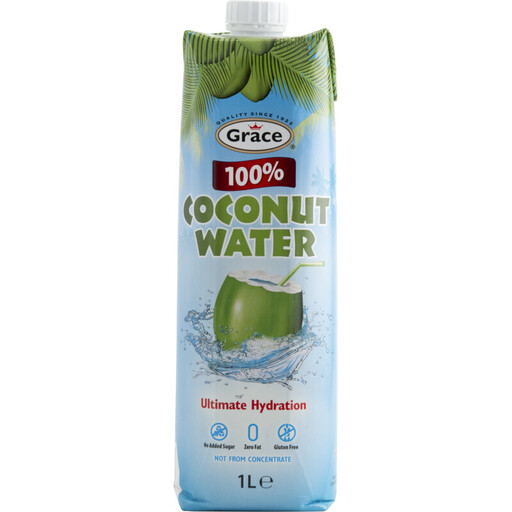
Why it suits this profile: A single one-litre carton is a straightforward choice if you want to try coconut water first or only drink it occasionally at home. The ingredients list names coconut water as the ingredient.
According to the product information, this variety contains no added sugar and no pulp. Check the current packaging for the full declaration.
1 litre; 22 kcal and 5 g of carbohydrates per 100 ml according to the stated nutritional values.
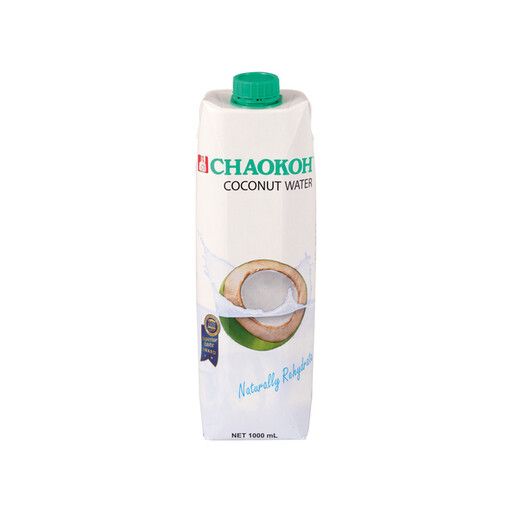
Why it suits this profile: This Thai coconut water variety is a good choice if you care about provenance, nutritional information and a pure formulation.
The product information states that it contains 100% coconut water, with no added sugar, preservatives or artificial additives.
Nutritional values per 100 ml are provided; origin: Thailand; suitable for vegetarians and vegans according to the product description.
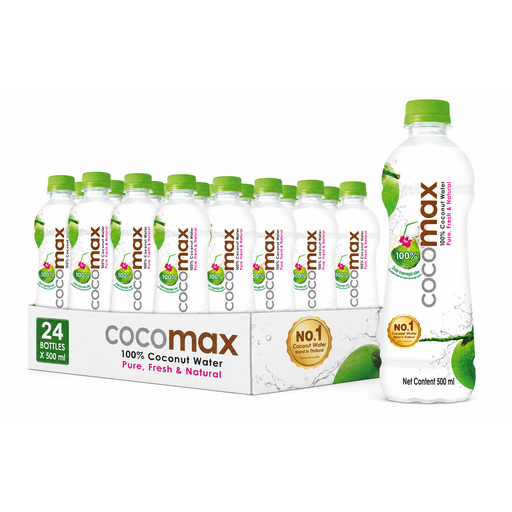
Why it suits this profile: The 500 ml servings are practical for sport, work, days out or households where several people drink coconut water.
The product description states that it contains 100% coconut water with no added sugar. The smaller packs help reduce waste after opening.
12 individual 500 ml packs; 21 kcal and 4.5 g of sugars per 100 ml according to the stated nutritional values.
For keeping a supply at home, Cocomax 100% Coconut Water 12x1 L is a generous option. If you are looking for a multipack with smaller servings, consider FOCO Coconut Water 12x330 ml or SUNLEE Coconut Water 100% 24x310 ml. For smoothies and cocktails, one-litre cartons are generally more convenient than cans.
Vita Coco 1L and IF 100% Coconut Water 1.0L are single one-litre packs. IF states that it is made from young Thai coconuts and has a shelf life of 48 hours after opening. Chaokoh is available in a 12 x 330 ml format and as a one-litre carton, allowing you to choose the size that suits how you use it.
When choosing a coconut water multipack, also consider storage space, the best-before date and how much you actually consume. A larger box can be practical for daily use; for occasional consumption, individual cartons are often easier to manage.
We have put together a complete, up-to-date list of products that fully meet these strict selection criteria and the applicable European safety regulations.
No. Coconut water is the liquid from young coconuts. Coconut drink may also contain water, sugar, coconut extract, carbonation or other ingredients. Always read the ingredients list and check that it says 100% coconut water.
Coconut water is often chosen as a refreshing drink after exercise. According to the product descriptions of various brands, it naturally contains electrolytes, but the amounts vary by product. For a meaningful comparison, check the nutrition table. Coconut water is not a substitute for personalised nutritional or medical advice.
That depends on the brand. The product information gives periods of 48 hours, two days, three days and, for some Chaokoh packs, a maximum of seven days. Keep an opened carton refrigerated, seal it properly and always follow the instructions on the packaging.
