
Vandaag of morgen in huis

Kwaliteit gegarandeerd

Welkomstaanbiedingen ontgrendelen: GRATIS bezorging | Tot 80% korting | Gratis 30 dagen JoyPlus-proefperiode
Download de app
Anyone looking to buy coconut water will quickly encounter terms such as 100%, natural, coconut juice and “with pulp”. These descriptions do not always mean the same thing. A coconut drink may contain added sugar, for example, while coconut milk is primarily intended for cooking. By checking the ingredients, format and intended use carefully, you can avoid buying a product that does not meet your expectations.
Always check the ingredients list. With 100% coconut water, coconut water should be the only ingredient. Grace 100% Coconut Water, for example, lists only coconut water and, according to the product information, contains no added sugar or pulp.
Other products are more accurately described as a coconut drink or coconut juice. According to the product description, Foco Roasted Coconut Juice contains 80% roasted coconut water, water, coconut meat, sugar and citric acid. This may create a sweeter flavour, but it is not the same as pure coconut water.
Also pay attention to product information that does not fully match the product name. DOUBLE PANDA is marketed as “100% Natural Coconut Water”, yet the ingredients list coconut water and cane sugar. If you are looking for coconut water without added sugar, it is therefore wise to check the current packaging and ingredients list.
Coconut water is the liquid found inside a young coconut and is usually enjoyed chilled. Coconut milk is made from coconut meat and water. It is thicker and higher in fat, making it particularly suitable for curries, soups, desserts, smoothies and baking recipes.
According to the product information, Aroy-D Original Coconut Milk contains 70% coconut extract, water and an emulsifier. Its nutritional information lists 19 grams of fat per 100 grams. This makes the Thai coconut milk suitable as a cooking ingredient, but not as a direct substitute for a light coconut drink.
A smooth drink is convenient on the go or after exercise. Coconut water with pulp, by contrast, contains pieces of coconut in the packaging. Sunlee Coconut Juice with Pulp contains young coconut pulp and, according to the instructions, should be shaken well before opening. IAM Superjuice Coconut Water contains 2% real coconut pieces, according to the product information.
These variants are appealing to fans of Asian drinks, but less practical if you are looking for a completely smooth beverage. Also check the storage instructions: most products must be refrigerated after opening and consumed within the stated period.
Start by checking the ingredients, followed by the nutritional values per 100 ml. Pay attention to the differences between:
A product with fewer ingredients is not automatically suitable for every purpose. A sweeter coconut juice may be preferable for smoothies or cocktails. For everyday drinking, a variant without added sugar may better match your preferences.
A 330 ml package is convenient for lunch, a gym bag or a short trip. A bottle or carton of 1 litre of coconut water is better suited to keeping in the fridge for several glasses, smoothies or cocktails. After opening, check the storage period on the label. Grace, for example, states that opened product should be refrigerated and used within two days.
For households and food-service businesses, also calculate the price per litre. A multipack may appear cost-effective, but only if you can use the full quantity in time.
For offices, sports clubs, cafés, caterers and families, bulk coconut water can be a practical choice. Various formats are available:
For larger cases, check your available storage space, the best-before date and when you plan to use the products. A 12-litre case makes the most sense when you serve or use coconut water regularly.
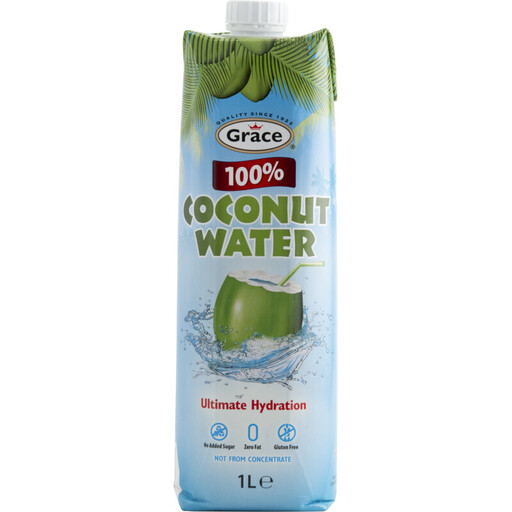
Why This Fits Their Persona: A convenient 1-litre carton for anyone trying pure coconut water for the first time without committing to a large case.
The ingredients list contains only coconut water. The product description states that it contains no added sugar and no pulp.
1 litre; 22 kcal and 5 grams of sugar per 100 ml according to the stated nutritional information.
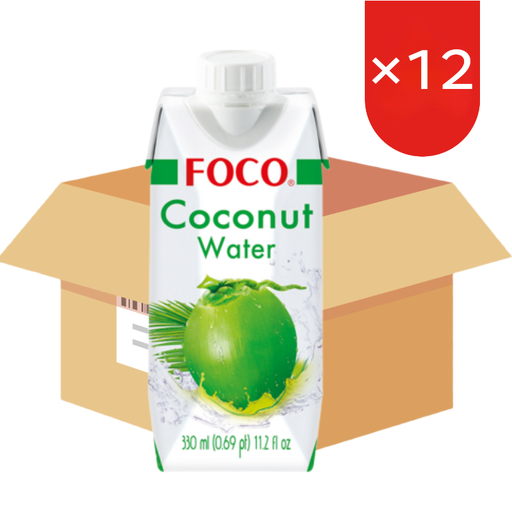
Why This Fits Their Persona: Convenient portions for travel, the office or after an active day. The case means you do not have to keep ordering individual cartons.
According to the product information, this variant consists of 100% coconut water. Nevertheless, check the current packaging before purchase.
12 x 330 ml; can be stored unopened at room temperature according to the product information.
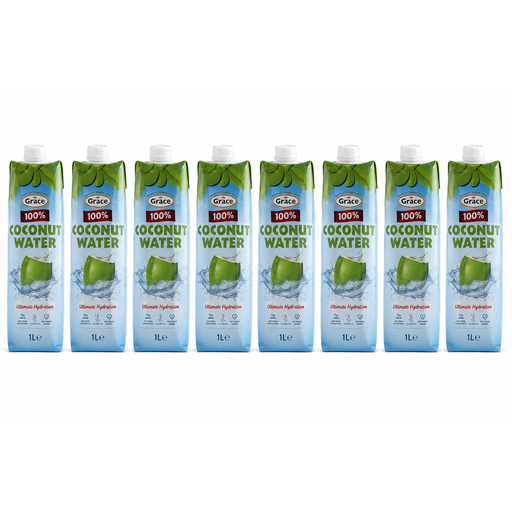
Why This Fits Their Persona: For households, cafés and caterers that regularly serve coconut water or use it in smoothies and cocktails.
The product information states that it contains 100% coconut water, with no added sugar or pulp. The composition is therefore clearly defined.
8 x 1-litre cartons; 22 kcal per 100 ml according to the stated nutritional values.
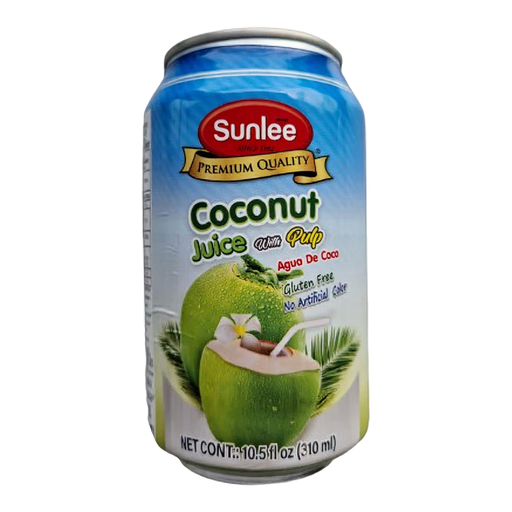
Why This Fits Their Persona: For anyone looking for an Asian drink with young coconut pieces in a compact serving.
The product description clearly states that it contains young coconut pulp and that the packaging should be shaken before opening.
310 ml serving; 6.4 grams of sugar per 100 ml according to the stated nutritional information.
Explore a current selection of coconut water, coconut drinks, coconut juice and coconut milk, filtered by volume, composition and packaging format.
For every product, check the current ingredients list, allergen information, best-before date and storage conditions on the packaging. Product information may change.
No. Pure coconut water may contain naturally occurring sugars. Grace, for example, lists 5 grams of sugar per 100 ml, while the ingredients list contains only coconut water. “Without added sugar” therefore does not mean the same as “sugar-free”.
This varies by product. For some packaging formats, Grace states that opened coconut water should be refrigerated and used within two days. FOCO specifies approximately three days. Always follow the timeframe on the label and keep an opened carton or bottle in the refrigerator.
That depends on the price per litre, pack size and your consumption. Divide the total price by the total number of litres. A coconut water multipack is particularly practical if you drink it regularly, make smoothies or need a supply for an office, food-service business or catering operation.
