
Vandaag of morgen in huis

Kwaliteit gegarandeerd

Welkomstaanbiedingen ontgrendelen: GRATIS bezorging | Tot 80% korting | Gratis 30 dagen JoyPlus-proefperiode
Download de app
Buying a new vacuum seems simple—until you start looking at the specifications. Manufacturers advertise with sky-high suction power, endless battery life, and smart features. But which specs truly matter, and which are just marketing fluff? Many people fall into the same traps, ending up with a device that no longer meets their needs after just a few months.
As a Joybuy Product Recommendation Officer, I'm here to help you cut through the noise. We'll focus on the facts so you can choose a model that fits your home and lifestyle, without overpaying for features you won't use.
These are the most common pitfalls:
To avoid buyer's remorse, it's wise to look beyond the marketing claims and focus on a few key specifications that determine real-world performance.
The first step is choosing the right type for your household. Each model has its own pros and cons.
Don't be misled by the Pascal (Pa) number alone. Instead, look at a combination of factors:
Below are some popular choices, matched with different user profiles. We'll explain why a particular model is a good match and how it avoids the pitfalls mentioned earlier.

Why This Fits Their Persona: This profile seeks a reliable, powerful, no-frills vacuum for a family home. The focus is on performance and ease of use, not on smart bells and whistles.
This model is corded, so you don't have to worry about unrealistic battery life. The large 3-litre dust bag and efficient filtration system reduce the frequency and cost of maintenance.
Powerful 750W motor for consistent performance. A large operating radius of 8.8 metres makes cleaning large spaces easy.
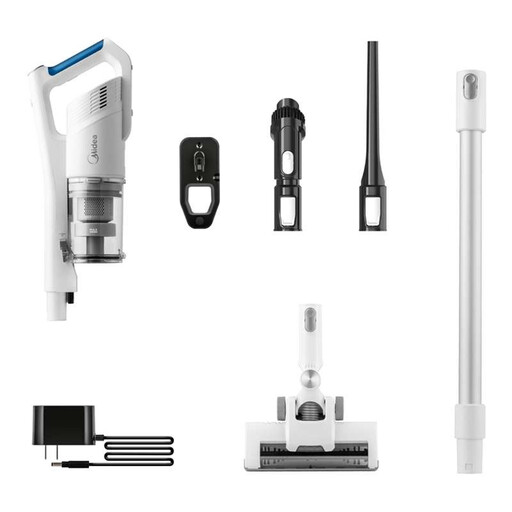
Why This Fits Their Persona: Someone living in a smaller house or apartment who values convenience, agility, and compact storage. A cordless model is ideal here.
The specifications are transparent about the battery life (45 min in eco, 20 min on a higher setting). The washable filter helps limit the hidden maintenance costs of a bagless model.
Extremely lightweight at 1.58 kg, making it easy to handle. Can be converted into a handheld vacuum for extra versatility.
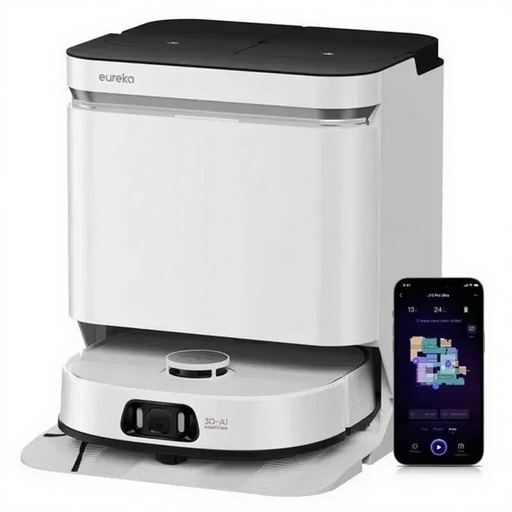
Why This Fits Their Persona: This profile wants a spotless home with minimal effort. Automation and advanced technology are more important than price.
The high suction power isn't an empty claim here, but part of a complete system. The base station, which washes the mop with hot water and empties the dustbin, directly addresses the pitfall of hidden maintenance.
Fully automated 8-in-1 base station for emptying, refilling, washing, and drying. The Flex-arm ensures precise cleaning along edges and in corners.
We have compiled a complete, up-to-date list of products that fully meet these strict selection criteria and local safety regulations.
This depends on the model and how often you vacuum. Most manufacturers recommend rinsing foam filters monthly and replacing HEPA filters annually. A washable filter can reduce costs, but ensure it is completely dry before reinserting it to prevent motor damage.
Not necessarily. A high Pa number is impressive, but effectiveness also depends on airflow, nozzle design, and the quality of the brushes. A model with a lower Pa rating but a superior, motorized brush can perform better on carpet than a model with a high Pa rating and a standard nozzle.
A bagged vacuum is often more hygienic. Dust and allergens are sealed inside the bag, which you dispose of entirely. This is an advantage for people with allergies. A bagless vacuum saves on the cost of dust bags but requires more maintenance, such as emptying the bin and regularly cleaning the filters.
