
Vandaag of morgen in huis

Kwaliteit gegarandeerd

Welkomstaanbiedingen ontgrendelen: GRATIS bezorging | Tot 80% korting | Gratis 30 dagen JoyPlus-proefperiode
Download de app
Buying soft drinks online might seem straightforward, but product pages can hide important differences. A striking flavour name, for example, doesn't tell you how much sugar a drink contains. Likewise, a large-looking pack may be less of a bargain when you don't compare the price per can or per litre. With imported drinks, the origin, ingredients and information on the packaging also come into play.
With these practical checks, you can avoid a bad purchase and find a suitable option more quickly for home, a party, catering or an event.
Soft drinks with fruit flavours, such as grape, peach, pineapple or cherry, can contain sugar. The name "fruity" doesn't automatically mean there's a lot of fruit juice in it. So always check the nutritional values per 100 ml and the ingredients list.
For example, Fanta Grape Soda lists 13.5 grams of sugar per 100 ml. Fanta Pineapple lists 11 grams of sugar per 100 ml. These are verifiable facts from the product information, not just an impression based on the flavour.
A 24-pack of soft drinks is handy for stocking up, visitors or an event, but it takes up more space and requires a higher one-off spend. For a household that drinks soft drinks occasionally, a 12-pack or individual bottle may be more practical.
When comparing canned soft drinks, always check:
In sugar-free soft drinks, the sugar is usually replaced by sweeteners. Coca-Cola Zero Sugar, Pepsi Zero Sugar and Sprite Zero Sugar contain no sugar according to the listed product information, but they may contain sweeteners. Some products also mention a source of phenylalanine.
Therefore, always check the ingredients, allergen information and warnings on the current label. The information on a website may differ from the packaging. This is especially important for imported drinks, such as Japanese soft drinks or American soft drinks.
First, decide which flavour profile you're looking for:
A flavour description is subjective. So see terms like "refreshing" or "unique" as product presentation. For an objective comparison, look at ingredients, nutritional values and pack format.
Compare the values per 100 ml, not just per can. A 330 ml can contains over three times the amount listed in the table per 100 ml.
Look out for:
For example, regular Coca-Cola lists 10.6 grams of sugar per 100 ml. Coca-Cola Zero Sugar lists 0 grams of sugar per 100 ml. That difference makes the product information more relevant than the packaging or marketing text.
Cans are stackable and suitable for serving chilled in individual portions. PET bottles of 500 ml or 1.5 litres are handy when several people are sharing the same bottle. Once opened, they should be stored chilled according to the product information and used within the stated period.
For imported drinks, pay attention to:
For HATA Lychee Ramune Carbonated Drink 200 ml, for example, it is recommended to store the drink in a cool place away from direct sunlight. The product information also states that you should check the packaging for the full nutritional and usage information.
The following selection links objective product data to different buying needs. This way, you can buy soft drinks online with a clear purpose, without relying solely on brand name or packaging.
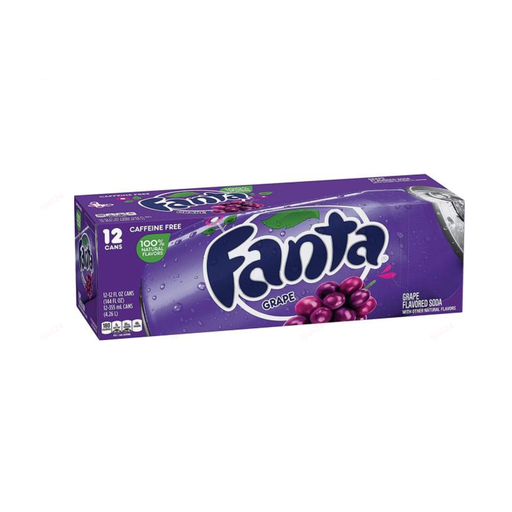
Why this fits the profile: A 12-pack offers a manageable quantity for home and makes it easy to compare the price per can. The grape flavour is a change from standard cola or lemon-lime.
The number of cans and the volume per can are clearly stated. The nutritional information lists 13.5 grams of sugar per 100 ml, so you won't mistake the sweet fruit flavour for a sugar-free variant.
12 cans of 355 ml; distinct grape flavour; according to the product information, none of the 14 main EU allergens.
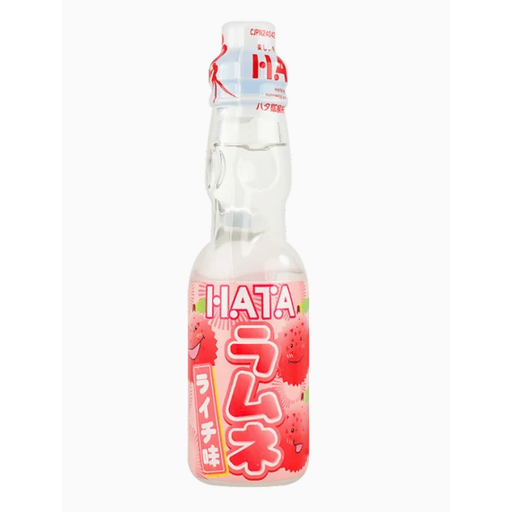
Why this fits the profile: For anyone looking for a Japanese soft drink in a small serving size with a lychee flavour. This drink is a good fit for a tasting session, barbecue or meal with Asian influences.
The 200 ml size stops you from buying a large bottle of a flavour you haven't tried before. Check the current packaging, ingredients and warnings before consuming.
200 ml per bottle; lychee flavour; fizzy Japanese drink; storage advice is given in the product information.
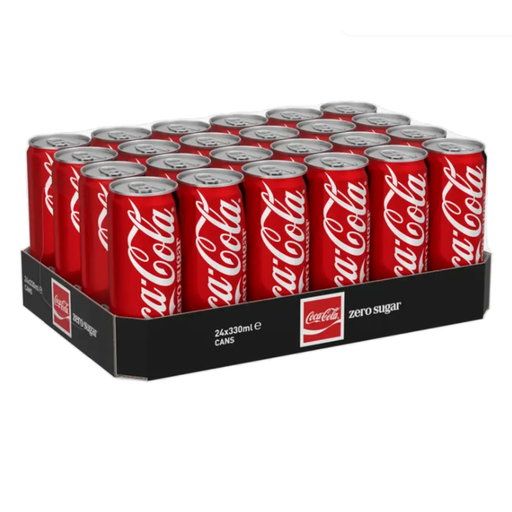
Why this fits the profile: A stock of 24 cans is suitable for households, canteens, parties or regular use. The portions are easy to serve chilled.
The packaging states 24 x 330 ml and the nutritional information lists 0 grams of sugar per 100 ml. However, do check the sweeteners present and the warning for phenylalanine.
24 cans of 330 ml; 0 grams of sugar per 100 ml according to the product information; suitable for vegetarians and vegans according to the listed specifications.
Use this quick checklist before you finalise an order:
We've put together a full, up-to-date list of products that fully meet these strict selection criteria and comply with current European safety regulations.
A 12-pack is suitable when you want to try a flavour first or have less storage space. A 24-pack is better for regular use, parties, catering or an event. Always compare the price per can and per litre.
No. Sugar-free soft drink contains no sugar according to the label, but it may contain sweeteners. So check the full ingredients list and warnings before you order.
Store unopened soft drinks in a cool, dry place away from direct sunlight, following the storage advice on the packaging. Once opened, keep the drink chilled and use it within the stated period. For imported products, always check the current label.
