
Vandaag of morgen in huis

Kwaliteit gegarandeerd

Welkomstaanbiedingen ontgrendelen: GRATIS bezorging | Tot 80% korting | Gratis 30 dagen JoyPlus-proefperiode
Download de app
Want to buy Cola Zero without bringing home unnecessary sugar and calories? The choice may seem straightforward, but packaging, sweeteners, caffeine and portion size can make a difference in practice. A cola multipack may seem like good value, while you might not have much room for large bottles. A can is handy for when you’re out and about, but it isn’t always the best-value choice for everyday use.
As a Joybuy Product Recommendation Officer, I filter the key product information to help you distinguish advertising claims from verifiable specifications.
Most varieties of sugar-free cola contain caffeine. This includes various packs of Coca-Cola Zero, Pepsi Zero and Pepsi Max. If you want to avoid caffeine, look specifically for wording such as “caffeine free” or “caffeine-free”. The Coca-Cola Zero Sugar Caffeine Free pack is a clear example.
“Zero sugar” tells you about the sugar content, but not necessarily which sweeteners or other ingredients are used. For example, the product information for various varieties lists aspartame, acesulfame K, sucralose or steviol glycosides. Some products also state that they contain a source of phenylalanine. Always check the ingredients list and warnings on the packaging.
A 1.5-litre bottle is practical for a family or party, but once opened, it needs to be kept chilled and consumed within the stated period. Cola cans of 250 or 330 ml are handy for set portions and sharing, while 500 ml bottles can be resealed. So don’t look only at the price per pack: consider the price per litre and how you’ll use the cola, too.
Compare the nutritional information per 100 ml, rather than relying only on the wording on the front of the pack. The product information provided lists 0 g of sugar and around 0 to 0.6 kcal per 100 ml for many varieties. Small differences may be due to the recipe or rounding. Always check the current label on the product you’re ordering.
Sugar-free cola isn’t the same as a drink without sweeteners. Its sweet taste usually comes from one or more sweeteners. If you want to avoid a particular ingredient, it’s worth checking the ingredients list for each product.
Coca-Cola Zero, Pepsi Zero and Pepsi Max generally contain caffeine, according to their product descriptions. Caffeine-free options state this separately. Several products also carry a warning that they contain a source of phenylalanine. This is important label information for anyone who needs to follow that warning.
Brands may describe their taste or recipe in glowing terms. These claims come from the brand’s own product communications and shouldn’t be taken as an objective guarantee of taste. It’s better to compare the ingredients, nutritional information, pack size and format.
Consider the combination of size and quantity:
Store unopened soft drinks in a cool, dry place, away from direct sunlight and heat, as directed on the label. Once opened, keep the pack chilled.
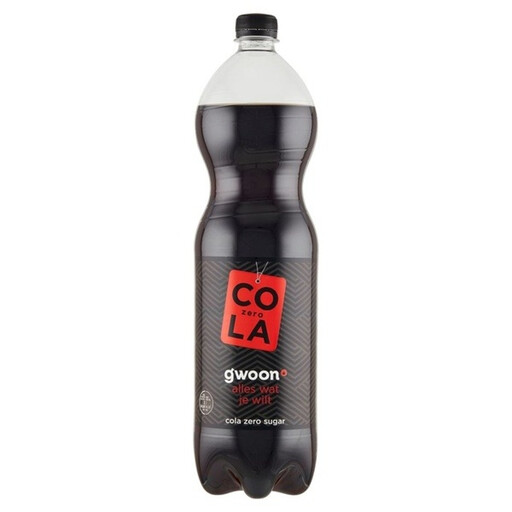
Why it suits this profile: Six 1.5-litre bottles are practical for households that regularly drink sugar-free cola and want to stock up for home.
The amount per bottle and number of packs are clearly stated. This makes it easy to compare the price per litre rather than looking only at the total price.
6 x 1.5 litres; sugar-free according to the product description; suitable for drinking chilled once opened.
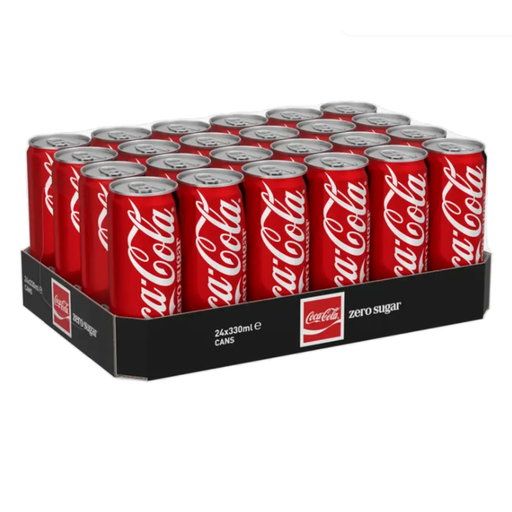
Why it suits this profile: If you prefer a familiar brand and want plenty of individual portions, this convenient pack of cans is ideal for home, visitors or events.
The pack states that it contains 24 cans of 330 ml and gives the nutritional information per 100 ml. This makes the portion size and ingredients easy to check.
24 x 330 ml; 0 g of sugar according to the product information; suitable for serving chilled.

Why it suits this profile: This pack is for anyone who wants sugar-free cola in a caffeine-free variety and needs plenty of individual cans.
The product name and description explicitly state “Caffeine Free”. That means you don’t have to guess based on the word Zero alone.
24 x 330 ml; sugar-free and caffeine-free according to the product description; nutritional information per 100 ml available.
We’ve put together a complete, up-to-date list of products that meet these strict selection criteria and current European safety regulations.
No. Many regular varieties contain caffeine, but caffeine-free products are also available. Check the product name, ingredients list and nutritional information before ordering.
Not necessarily in every pack, but many varieties contain very little energy according to their product information, for example 0 to 0.6 kcal per 100 ml. Check the label of the specific Cola Zero you choose.
Keep an opened bottle chilled, close the cap tightly and follow the guidance on the packaging. The fizz and flavour may fade after opening. It’s best to drink a can without a resealable closure soon after opening.
