
Vandaag of morgen in huis

Kwaliteit gegarandeerd

Welkomstaanbiedingen ontgrendelen: GRATIS bezorging | Tot 80% korting | Gratis 30 dagen JoyPlus-proefperiode
Download de app
If you want the familiar taste of cola without sugar or caffeine, a multipack may seem like an easy choice. However, there are a few things you could easily get wrong. A product labelled “Zero Sugar” isn’t automatically caffeine-free, and a multipack may be less convenient than you expect because of its size.
This buying guide helps you assess Coca-Cola Zero Sugar Caffeine Free Cola 24 x 330 ml by looking at its contents, nutritional values, ingredients and uses. That way, you can decide in advance whether this multipack suits your home or workplace, or is suitable for serving visitors or at a party.
“Zero Sugar” refers to the sugar content, not the caffeine. Some Coca-Cola Zero Sugar varieties and other zero-sugar soft drinks still contain caffeine. So check the full product name and ingredients list.
The variant described here is a caffeine-free cola. Check the label when it arrives, too, as packaging or recipes can change. If you’re specifically looking for Coca-Cola Zero without caffeine, don’t rely on the red or black packaging alone.
A tray of 24 330 ml cans contains a total of 7.92 litres. That’s handy if you drink cola regularly or want to stock up, but less suitable if you’re short on storage space. Also think about how many cans you’re likely to get through. A smaller pack could help you avoid leaving cans unused for too long.
Sugar-free cola usually contains sweeteners. This Coca-Cola variant contains aspartame and acesulfame-K. The product information also states: contains a source of phenylalanine. If you have a particular sensitivity or follow a specific diet, always check the packaging and ingredients list before drinking it.
The multipack contains:
A 330 ml can is a standard size for home, the office or a get-together. Each portion is individually packaged, so you don’t have to open a large bottle each time. Once opened, it’s best to keep the can chilled and drink it according to the instructions on the packaging.
According to the product information provided, this variant contains the following per 100 ml:
A 330 ml can therefore contains around 1 kcal, based on the nutritional value stated. This puts the drink in the low-calorie soft drink category. “Low-calorie” doesn’t mean the drink provides nutrients; it simply describes its low energy value.
The product description lists, among other ingredients:
No EU major allergens are declared, but the warning “contains a source of phenylalanine” is included. Check the current packaging before drinking. Don’t rely on brand information about flavour or ingredients instead of the label: the packaging is the most direct source of up-to-date product details.

Why it suits this shopper: This tray combines 24 standard cans with a zero-sugar, caffeine-free variety. It’s a straightforward choice if you’re buying caffeine-free cola in bulk for the first time.
The product name states both zero sugar and caffeine-free, making it easier to distinguish from regular zero-sugar cola.
24 x 330 ml, 0 g sugar per 100 ml according to the product information, and around 0.3 kcal per 100 ml.
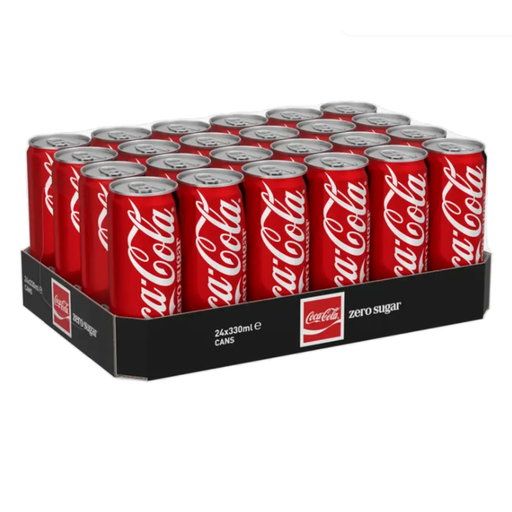
Why it suits this shopper: A good choice for households looking for a familiar brand and 330 ml cans, but who don’t need a caffeine-free variety.
The product details make clear that this variety shouldn’t be chosen as a caffeine-free option. Check the caffeine content before ordering.
24 cans of 330 ml and 0 g sugar per 100 ml according to the nutritional information provided.
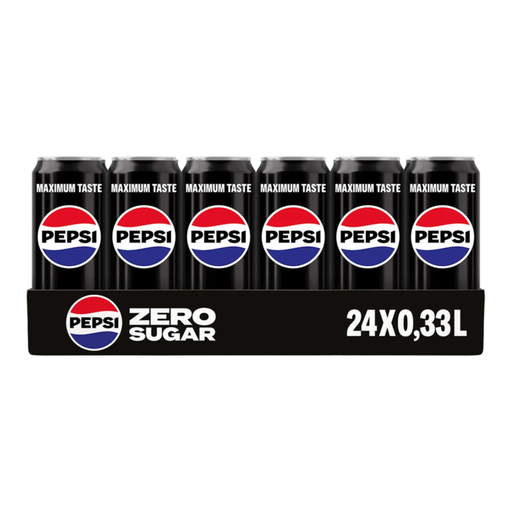
Why it suits this shopper: An alternative for comparing sugar-free cola multipacks by brand, taste preference and price per can.
The ingredients include sweeteners and caffeine. This helps you avoid confusing sugar-free cola with caffeine-free cola.
24 x 330 ml and, according to the product information, 0 g sugar and 0.4 kcal per 100 ml.
We’ve put together a complete, up-to-date list of products that meet these strict selection criteria and comply with current European safety regulations.
The variant described is sold as Caffeine Free and is intended as Coca-Cola Zero without caffeine. Check the current packaging and ingredients list when it arrives. Other Coca-Cola Zero varieties may contain caffeine.
The best-before information is printed on the packaging. Store unopened cans in a cool, dry place, away from direct sunlight and heat. Keep an opened can chilled and drink it according to the instructions on the label.
That depends on the current selling price. Divide the price of the tray by 24 to work out the price per can. Compare this with smaller multipacks, such as 8 x 250 ml, and take your storage space and expected consumption into account.
