
Vandaag of morgen in huis

Kwaliteit gegarandeerd

Welkomstaanbiedingen ontgrendelen: GRATIS bezorging | Tot 80% korting | Gratis 30 dagen JoyPlus-proefperiode
Download de app
Chances are, you've encountered makgeolli through a K-drama or a visit to a Korean restaurant. This cloudy, milky beverage is gaining popularity, and for good reason. It's an approachable and surprisingly unique Korean alcoholic drink that is unlike anything you've tried before.
But where do you start when you want to buy makgeolli? The selection is growing, and the different flavours can be overwhelming. As a Joybuy Product Recommendation Officer, I'm here to help you make the right choice. This article provides practical information and specific recommendations, so you know exactly what you're getting.
Before you choose a bottle, it's helpful to know a few basics about this unfiltered rice wine.
The most fundamental choice is between traditional and fruit-flavoured makgeolli.
Makgeolli typically has a relatively low alcohol content, usually between 3% and 8%. This makes it a lighter alternative to many other wines or spirits. A lower percentage (3-5%) is ideal for a relaxed afternoon or with a light meal, while a higher percentage (6-8%) offers more depth and pairs well with hearty Korean dishes.
Makgeolli is an unfiltered rice wine, which means there is a natural rice sediment at the bottom of the bottle. This is completely normal and a sign of authenticity. Before opening, gently invert the bottle a few times to mix the sediment with the liquid. Don't shake it too vigorously, as the drink is lightly effervescent. Always serve makgeolli well-chilled.
Based on product specifications and popularity, we've highlighted a few interesting options for you.
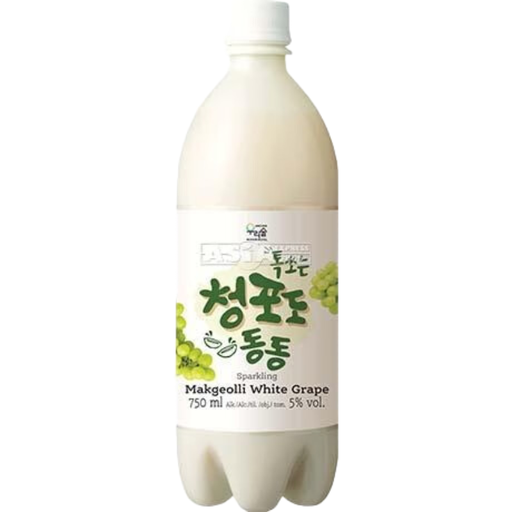
Why it stands out: This grape makgeolli combines the creamy base of traditional rice wine with the sweet and juicy flavour of white grapes. The result is a very refreshing and balanced drink that isn't overly sweet.
Advantages:
Who is this for? Perfect for those curious about fruit makgeolli who are looking for a safe, flavourful choice. It's also a great option to pair with spicy snacks or light desserts, as its sweetness balances out the heat.
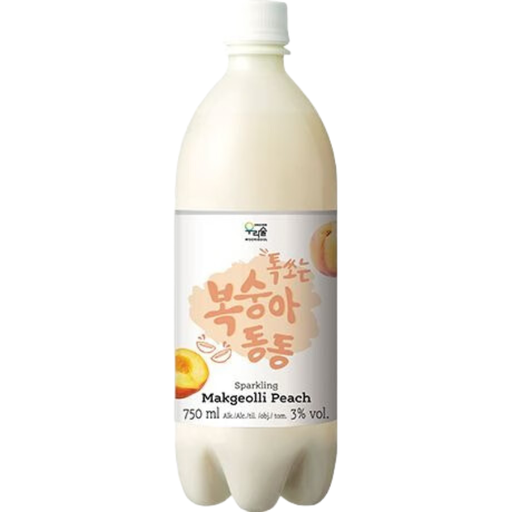
Why it stands out: This peach makgeolli from WOORISOOL stands out for its very low alcohol content and its distinct, natural peach flavour. It's a light and summery drink.
Advantages:
Who is this for? An excellent choice for a sunny day, a picnic, or for drinkers who prefer a very light alcoholic beverage. The sweet peach flavour makes it a crowd-pleaser. Please note: this product contains wheat (gluten).
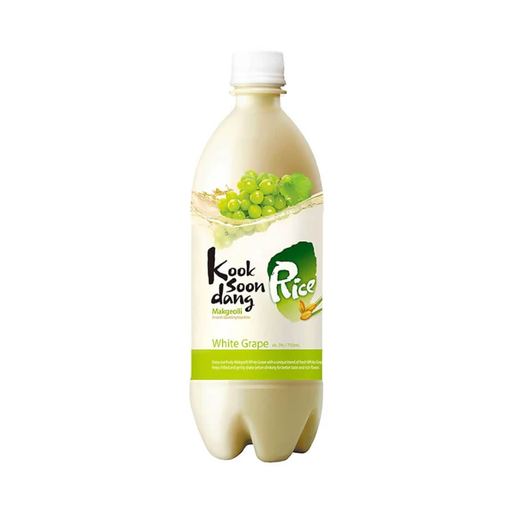
Why it stands out: KOOKSOONDANG (KSD) is a well-known brand in Korea. This green grape variety offers a refreshing, slightly tart counterpart to sweeter fruit flavours. It combines the creaminess of makgeolli with a subtle, tangy 'kick'.
Advantages:
Who is this for? For the adventurous drinker who wants something beyond standard sweetness. The combination of creamy and tart makes it an excellent partner for oily or fried dishes, such as Korean pancakes (pajeon) or fried chicken. Please note: this product contains gluten (wheat, barley).
If makgeolli isn't quite what you're looking for, or if you want to discover more unique beverages to give as a gift or try yourself, there's a world of flavours to explore.
Check out our selection of alcoholic gifts for more inspiration and other special drinks.
1. What exactly is makgeolli? Makgeolli is a traditional Korean rice wine. It is made by fermenting rice and, unlike many other rice wines such as sake, it is unfiltered. This gives it its characteristic milky appearance, creamy texture, and a complex flavour profile that can be both sweet and tangy.
2. How do you drink makgeolli? Makgeolli is served cold. Because it is an unfiltered rice wine, the rice sediment settles at the bottom. Before opening, gently invert the bottle a few times (do not shake) to mix everything together. Traditionally, it is drunk from small, bowl-shaped cups. It pairs excellently with Korean food, especially with savoury and spicy dishes.
3. What does makgeolli taste like? The base flavour of traditional makgeolli is a unique combination of sweet and sour, with a creamy, almost yogurt-like texture and a light, natural effervescence. Fruit makgeolli varieties, such as those with peach or grape, are considerably sweeter and fruitier, which makes them very popular with a wide audience.
