
Vandaag of morgen in huis

Kwaliteit gegarandeerd

Welkomstaanbiedingen ontgrendelen: GRATIS bezorging | Tot 80% korting | Gratis 30 dagen JoyPlus-proefperiode
Download de app
Korean soju isn’t just one type of drink. The range includes clear, fruity varieties at 12% alcohol, classic soju with a higher ABV, and smooth Korean rice wine such as makgeolli. If you only look at the flavour name or a flashy label, you could easily pick a bottle that doesn’t suit your meal, the occasion or your personal taste.
This guide from the Joybuy Product Recommendation Officer helps you compare products based on verifiable information: alcohol content, volume, ingredients, allergens and serving suggestions. Alcohol is intended for adults aged 18 and over only. Please drink responsibly and never drink if you need to drive.
A bottle with peach, apple, mango or grape flavour sounds fruity, of course. But the actual composition can vary. Some varieties contain fruit juice, while others rely mainly on flavouring, sugar or sweeteners. So check the ingredients list and nutritional information if you want to know whether to expect a sweeter or fresher taste.
Many modern varieties contain soju 12%. That’s lower than some traditional spirits, but it’s still alcohol. What’s more, fruity varieties go down easily because of their sweet taste. Pour small servings, drink slowly and keep the alcohol content per bottle in mind.
Soju is usually a clear distilled or compounded alcoholic drink. Makgeolli is a cloudy, fermented Korean alcoholic drink made from rice and grains. The texture, flavour and storage instructions are different. If you’re after a creamy, slightly sparkling drink, you’d choose makgeolli over classic fruity soju.
The alcohol content partly determines how you use a drink. Most fruity products in this range are 12% ABV and come in 350 ml or 360 ml bottles. That size is practical for one person or for sharing with a small group. The makgeolli varieties are larger: 750 ml at 3% ABV or a 6% ABV option.
When comparing, look at both the percentage and the volume. A 12% bottle doesn’t automatically contain the same amount of alcohol as a bottle with a different size.
Always check the label. A product description may mention a fruity taste, while the ingredients list mainly flavouring and syrup.
Grain products such as wheat and barley can appear in soju or makgeolli. For example, Oppa Soju Melon and Oppa Soju Mango list wheat as an allergen. Woorisool makgeolli peach also contains wheat. Check the packaging if you have an allergy or intolerance.
Serve fruity soju chilled, perhaps with ice. According to the product information, 7DROPS Soju Green Grape is served chilled. Store opened bottles tightly sealed in the fridge and consume them fairly quickly. Keep unopened products in a cool, dry place away from direct sunlight. Always refer to the actual packaging for best-before dates and instructions.
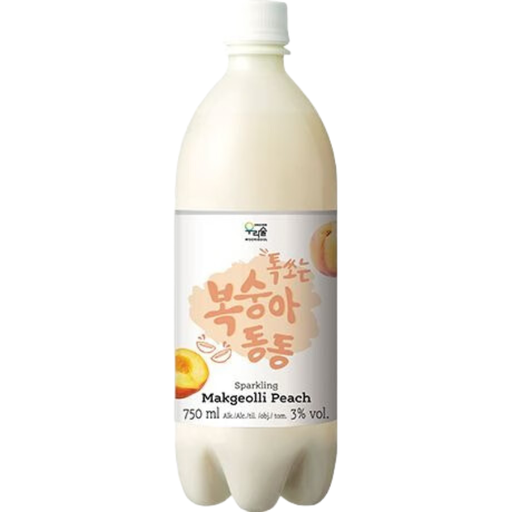
Why this fits: A gentle introduction to Korean drinks for a relaxed dinner or summer gathering.
The alcohol content is clearly stated: 3%. That helps beginners who aren’t looking for a strong bottle.
750 ml, peach extract and a creamy makgeolli texture; does contain grains with gluten.
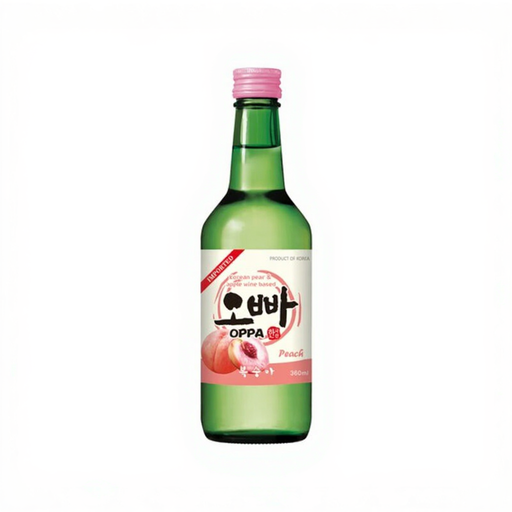
Why this fits: Handy if you’re after a recognisable peach flavour for a party, dinner or cocktail.
The label states 12% ABV and 360 ml, so you can estimate portions and stock in advance.
Ready to drink chilled or with ice; product information lists none of the 14 major EU allergens.
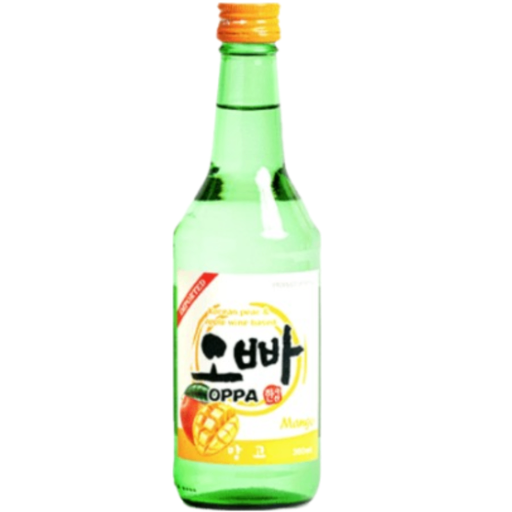
Why this fits: Suitable if you want a sweeter, tropical flavour for a casual evening or as a cocktail base.
The ingredients list includes mango flavouring, glucose syrup and sweeteners; so don’t expect pure fruit juice.
360 ml, 12% ABV and drinkable without mixing; the allergen information listed mentions wheat.
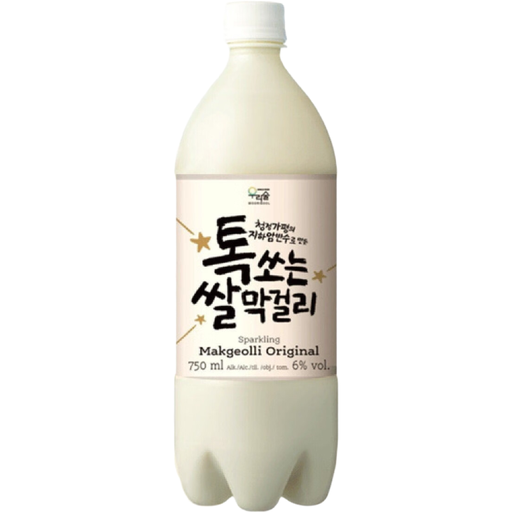
Why this fits: The bottle suits a Korean meal where several guests want to share a creamy, lightly sparkling drink.
The drink is clearly distinguished from fruity soju by its fermentation, cloudy texture and 6% ABV.
Contains glutinous rice, brown rice, barley and wheat flour; lightly sweet, sour and naturally sparkling according to the product description.
Browse the current range of Korean wine and compare flavour, volume, alcohol content and product information before you order.
When you want to buy Korean drinks online, start by comparing product pages on net volume, alcohol content and ingredients. Also check current stock, delivery times and any age verification on delivery. Choose a mixed order if you want to compare flavours: for example, peach soju alongside apple soju, grape soju or yuzu soju.
For a Korean barbecue, fruity flavours often work well with spicy or salty dishes. Makgeolli, with its creamy texture, tends to pair better with savoury pancakes, fried snacks and other Korean sharing plates. That remains a matter of personal taste; the product information doesn’t guarantee any specific food pairing.
No. Soju is usually a clear alcoholic drink, whereas makgeolli is a fermented Korean rice wine with a cloudy, creamy texture. Check the alcohol content and ingredients, because the two categories are clearly different.
Fruity soju generally tastes best chilled, straight from the bottle or with ice. You can also use it as a cocktail base. Check the alcohol content beforehand and don’t add extra alcohol if you want to keep the strength low.
Seal the bottle tightly. Store opened makgeolli and fruity soju according to the instructions on the packaging; keeping them chilled is often practical. Pay extra attention to the best-before date for makgeolli, as it’s a fermented product.
