
Vandaag of morgen in huis

Kwaliteit gegarandeerd

Welkomstaanbiedingen ontgrendelen: GRATIS bezorging | Tot 80% korting | Gratis 30 dagen JoyPlus-proefperiode
Download de app
Korean alcoholic drinks are becoming increasingly easy to find online in the Netherlands. Even so, it is not always clear exactly what you are buying. Are you looking for a smooth fruit soju for a party, a classic Korean soju with Korean barbecue, or Korean rice wine with a light sparkle? The flavour, alcohol content and ingredients can vary considerably.
Pay particular attention to three common pitfalls:
Below, you can find out which specifications matter and which Korean alcoholic drinks suit different buying profiles.
The alcohol content, shown as ABV or alc. vol., is the first objective point of comparison. The range includes products containing between 3% and 13% alcohol:
A lower percentage does not mean you can drink without limit. The amount of alcohol also depends on the volume and the number of glasses. Drink responsibly, follow the legal drinking age in the Netherlands and do not drink alcohol during pregnancy.
For flavoured soju and fruit soju, it is useful to check the ingredients. A product may contain fruit wine, fruit juice, sugar, glucose syrup, sweeteners and flavourings, for example.
Examples from the product information:
If you have allergies, it is advisable to check the current packaging. For example, the product information for some Oppa varieties lists apple and pear products. Oppa Mango and Oppa Melon list wheat as an allergen. Makgeolli may contain rice, barley and wheat.
Korean soju is generally clear and is often enjoyed neat, chilled, with ice or in a cocktail. Flavoured varieties are fruitier and sweeter than a neutral style.
Makgeolli is Korean rice wine with a cloudy, creamy appearance. It can be lightly sparkling and often has a gently sweet or slightly sour flavour. Some bottles contain added fruit such as white grape or peach. Check the storage advice on the label and only shake or turn the bottle as instructed on the packaging. Due to sediment, the contents may look different from clear soju.
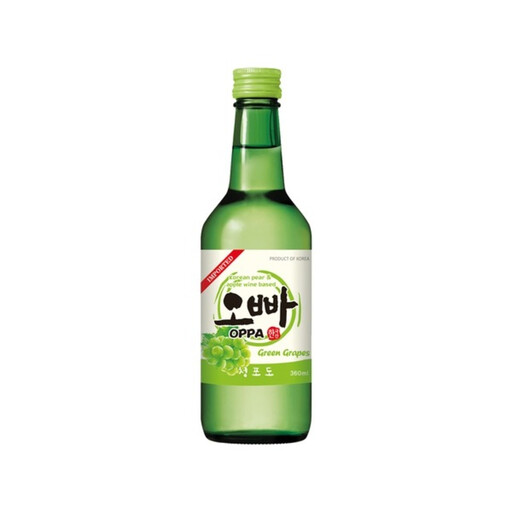
Why it suits this profile: The 360 ml bottle and 12% alcohol content make this an approachable introduction to fruit soju. The grape flavour is ideal for anyone looking for a sweeter style.
The alcohol content, volume and ingredients are clearly stated. This means you do not have to judge the product by its flavour name alone.
12% alcohol, 360 ml volume and suitable for serving chilled, with ice or as a cocktail base.
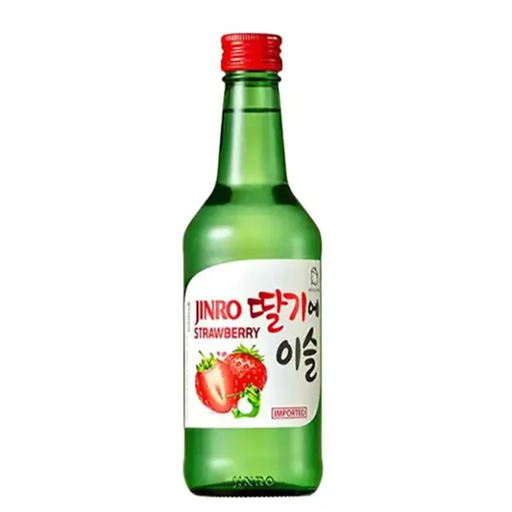
Why it suits this profile: Anyone looking for a well-known brand style and a distinct strawberry flavour can compare this Jinro variety based on its 13% alcohol content and 350 ml volume.
The product name states the flavour, alcohol content and volume. This makes it easy to compare the bottle directly with other strawberry soju products.
Jinro Chamisul, strawberry flavour, 13% ABV and 350 ml per bottle.
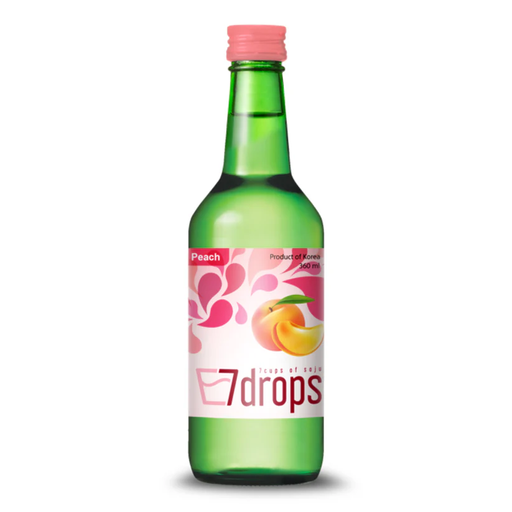
Why it suits this profile: This peach soju is ready to serve chilled, enjoy with ice or use in a cocktail. That makes it suitable for dinners, parties and a range of serving occasions.
The ingredients and nutritional values are available, including 12% alcohol and 360 ml. This means the fruit flavour is not used as the sole buying criterion.
12% ABV, 360 ml, peach juice in the ingredients list and suitable for serving chilled.
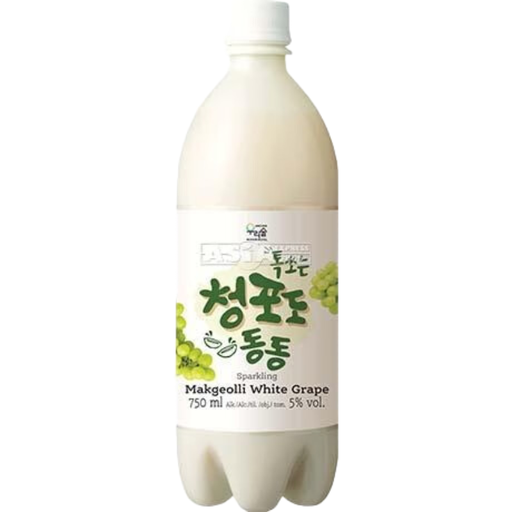
Why it suits this profile: This white grape variety is intended for anyone looking for a creamy, lightly sparkling drink with a lower alcohol content to enjoy with Korean dishes or snacks.
The product is clearly described as makgeolli and rice wine, with 5% alcohol and specific storage advice. This avoids confusion with clear soju.
5% alcohol, white grape flavour, creamy appearance and a lightly sparkling finish according to the product description.
We have compiled a complete, up-to-date list of products that fully meet these strict selection criteria and the applicable European safety regulations.
Alongside the featured options, there are several different flavour profiles to explore:
For flavoured drinks, check the sugar and carbohydrate values per 100 ml. These values vary from product to product. If you are choosing a drink for dinner, you may also want to consider the serving temperature and how well it pairs with spicy dishes, Korean barbecue or light desserts.
Soju is usually clear and has a higher alcohol content than makgeolli. Makgeolli is a cloudy, fermented rice wine with a creamy texture and sometimes gentle carbonation. Always check the label, as flavoured varieties may contain added sugar, fruit concentrate or flavourings.
A 12% fruit soju can be approachable thanks to its sweet flavour, such as grape, peach, apple or yuzu. If you prefer a lower alcohol content, you could consider makgeolli at 3% or 5%. A sweet flavour does not make a drink alcohol-free, so pour smaller measures and take your time.
Store unopened bottles according to the label, generally in a cool place away from direct sunlight. Seal an opened bottle securely. With makgeolli, it is especially important to follow the specific instructions on the packaging, as the drink can settle and taste different after temperature fluctuations. Before drinking, also check the best-before information and the condition of the seal.
