
Vandaag of morgen in huis

Kwaliteit gegarandeerd

Welkomstaanbiedingen ontgrendelen: GRATIS bezorging | Tot 80% korting | Gratis 30 dagen JoyPlus-proefperiode
Download de app
Lemonade might seem like a straightforward purchase, but the range on offer varies enormously. Whether you're after a fizzy lemon drink for a party, a sugar-free option for home, lemon iced tea for on the go, or squash for the whole family, flavour, volume and nutritional values matter far more than a flashy label.
The biggest buying mistakes usually come down to three pitfalls:
Compare nutritional values per 100 ml where possible. This way you'll see the difference between a single-serving pack and a large bottle. According to the product information, Sanpellegrino Limonata contains 11% lemon juice from concentrate and 8 grams of sugar per 100 ml. This drink is clearly formulated very differently from a lemon water with barely any sugar.
When looking at a sugar-free lemonade, don't just rely on the "zero sugar" claim. Also check whether sweeteners such as sucralose, acesulfame-K, aspartame or steviol glycosides have been added. Sprite Zero Sugar, for example, states 0 grams of sugar per 100 ml, yet the ingredients list does mention sweeteners. The packaging remains the definitive source for the current composition.
A lemon carbonated soft drink contains carbon dioxide and is usually ready to drink. A still lemon drink or lemon iced tea has no fizz and suits those who prefer a gentler mouthfeel. A product labelled "lemon-lime" combines lemon with lime; this can taste fresher and more tart than a classic lemonade.
Squash works differently. You dilute the product yourself with water, and you can also use sparkling water. This means you control the strength of each glass. Do pay attention to the recommended dilution ratio: the number of glasses stated is only achievable if you follow that ratio.
For lunchboxes, picnics or children's parties, small pouches and bottles are practical. Ice Talk Blue Lemon Ade has a volume of 230 ml and comes in a pouch. For a family or barbecue, 1.5-litre bottles are more convenient. A bulk pack of lemonade in cans is ideal for the office, catering, or a party where everyone can grab a chilled can for themselves.
Also check the storage instructions. Many products need to be refrigerated after opening and used within the period stated on the packaging. For cans and unopened bottles, the best-before information on the packaging applies.
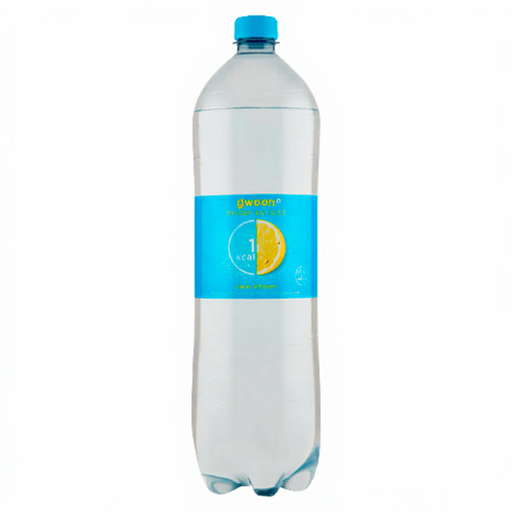
Why this fits the profile: The 1.5-litre bottle is practical for home and for serving several glasses during an informal meal.
The product information states 1 kcal and 0 grams of sugar per 100 ml. Do check the current packaging and any sweeteners present at the time of purchase.
1.5-litre volume; sparkling; lemon-lime flavour and a stated nutritional value of 1 kcal per 100 ml.
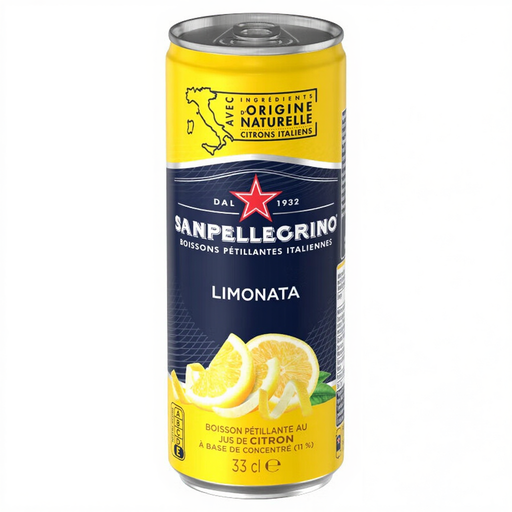
Why this fits the profile: The 330 ml can is ideal for serving chilled with lunch, dinner or drinks.
The lemon juice percentage is clearly stated: 11% from concentrate, supplemented with lemon juice. Sugar and Nutri-Score E are also indicated.
330 ml per can; sparkling; 11% lemon juice from concentrate according to the product description.
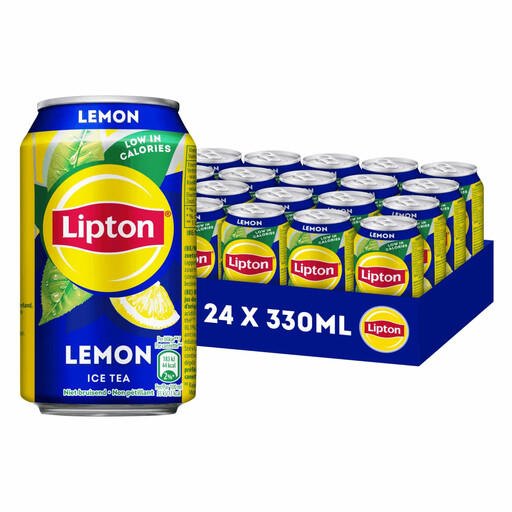
Why this fits the profile: A tray of 24 cans is perfect for the office, catering, events or a household with regular consumption.
The volume per can and the nutritional values are clearly specified. With 3 grams of sugar per 100 ml, you can easily compare this product with other iced teas.
24 x 330 ml; still iced tea; black tea extract and lemon flavour according to the product information.
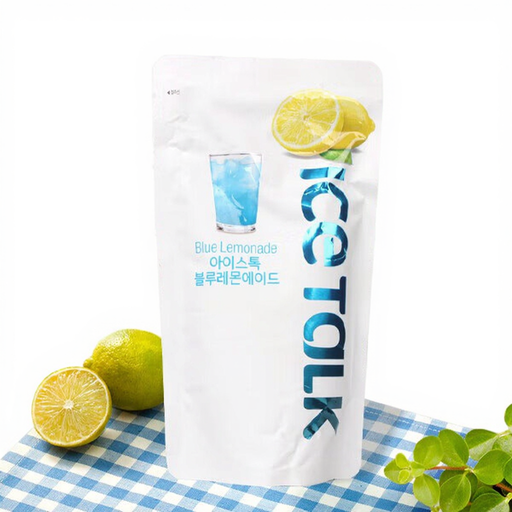
Why this fits the profile: The blue colour and pouch packaging stand out at a picnic, children's party or summer activity.
The product description mentions both the blue colour and the citrus flavour. The nutritional value is 35 kcal and 8.4 grams of sugar per 100 ml according to the information provided.
230 ml pouch; striking blue colour; ready to drink and suitable for on the go.
We've put together a full, up-to-date list of products that fully meet these strict selection criteria and comply with current European safety regulations.
Lemonade focuses on lemon flavour. Lemon-lime soft drink combines lemon and lime and often contains carbonation. Check the ingredients and the lemon juice percentage if you're looking for a pronounced lemon taste.
Not necessarily, but products with 0 grams of sugar are often low in energy. Always look at the nutritional values per 100 ml. Also check which sweeteners have been used and read any warnings on the label, such as information about a source of phenylalanine with aspartame.
Follow the instructions on the packaging. In many cases, an opened drink must be kept refrigerated and consumed within a few days or the period stated. Seal a bottle or pouch tightly and do not use any packaging where the seal is damaged.
