
Vandaag of morgen in huis

Kwaliteit gegarandeerd

Welkomstaanbiedingen ontgrendelen: GRATIS bezorging | Tot 80% korting | Gratis 30 dagen JoyPlus-proefperiode
Download de app
Do you want to buy Korean soju, but find yourself faced with bottles featuring fruit names, varying alcohol percentages and brands like Oppa, 7DROPS and Chamisul? Comparing based on packaging alone won't cut it. An appealing flavour name, for instance, doesn't tell you how much sugar is inside, while a lower alcohol percentage doesn't automatically mean you're drinking less.
The main pitfalls to watch out for are:
Many Korean fruit soju options in the range have 12% alcohol and a volume of 360 ml. That's a practical size for a meal, an evening with friends or a cocktail. According to the product information, Chamisul Grapefruit and Chamisul Strawberry have an alcohol percentage of 13%.
When comparing, look at three details:
A 360 ml bottle with 12% alcohol contains roughly 43 ml of pure alcohol by volume. This is a rough calculation; always check the label and drink responsibly. Alcohol is not suitable for people under 18, pregnant women, or those who cannot drink alcohol for medical or other reasons.
Korean fruit soju and other flavoured soju can contain sugar, syrup, fruit juice, acids, flavourings and sweeteners alongside alcohol. The product information for Oppa Apple Soju, for example, lists apple flavouring, fructose and sugar. Oppa Yuzu includes yuzu concentrate, apple and pear products.
For those expecting a sweeter drink, mango, melon, strawberry, lychee or grape might be a better fit. If you're after a fresher impression, grapefruit or yuzu could be worth considering. The exact taste is personal, so always check the current ingredients list on the packaging.
Not all soju is made the same. 7DROPS Mango states that the product may contain grains. Oppa Melon lists wheat. If you have an allergy or intolerance, the information on the product packaging is what you should rely on.
Fruit soju is often served chilled, neat or with ice. You can also use the drink as a base for a simple cocktail. Don't mix alcoholic drinks if you can't accurately gauge your total alcohol intake.
Soju isn't the only option. If you're after a softer, lightly sparkling drink, you could consider Korean rice wine. Makgeolli often has a creamy texture and a lower alcohol percentage. Woorisool Peach contains 3% alcohol and 750 ml; the classic Woorisool Makgeolli contains 6% alcohol.
For a fruity Japanese option, you could buy Japanese plum wine or umeshu. CHOYA Original Plum Wine contains 10% alcohol and, according to the product description, is served chilled, with ice or in cocktails. For a meal with spicy dishes, different types of Asian beer also work well, such as Chang Beer or Leo Beer from Thailand.
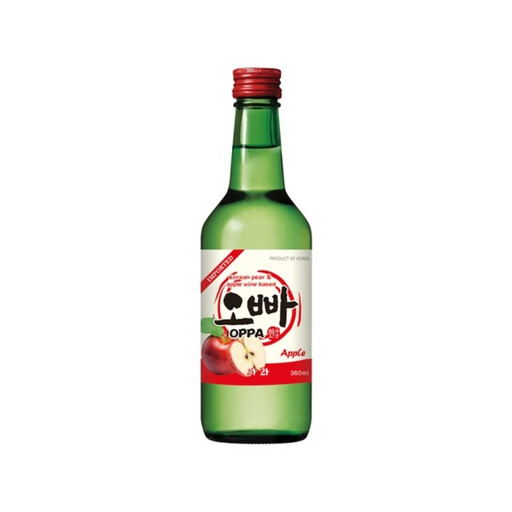
Why this fits the profile: The bottle contains 360 ml and has 12% alcohol. The apple flavour is an accessible starting point for anyone who hasn't tried much flavoured soju yet.
The product information states the alcohol percentage, size and ingredients, so you don't have to rely solely on the flavour name.
12% alcohol, 360 ml and, according to the product information, suitable for drinking chilled or neat.
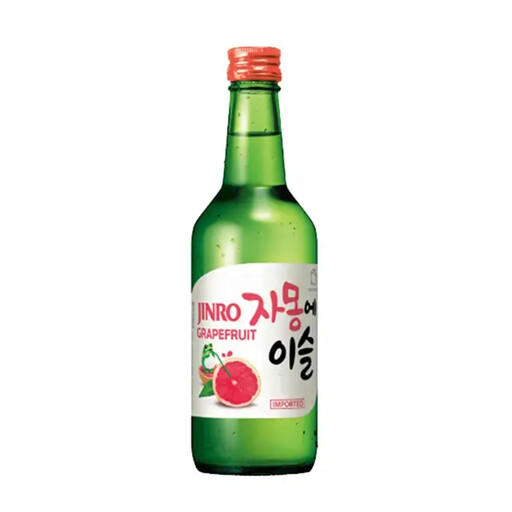
Why this fits the profile: Chamisul combines a recognisable brand with a citrusy grapefruit profile and a slightly higher alcohol percentage than many 12% soju variants.
The specifications clearly state 13% alcohol and 360 ml. This allows you to objectively compare it with sweeter fruit soju.
13% alcohol, 360 ml and, according to the product description, free from artificial colours and preservatives.
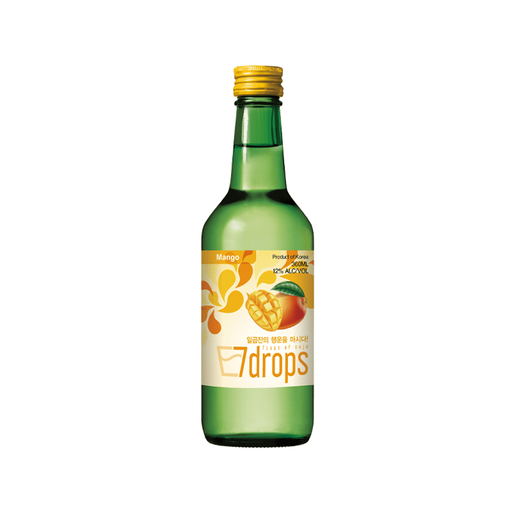
Why this fits the profile: The mango variant is designed for fruity drinking occasions and, according to the product description, can be enjoyed chilled, neat or as a cocktail base.
The ingredients list includes alcohol from fermented grains and mango flavouring, among other things. Check this beforehand if you want to avoid allergens.
12% alcohol, 360 ml and a clearly fruit-focused flavour profile for drinking neat or mixing.
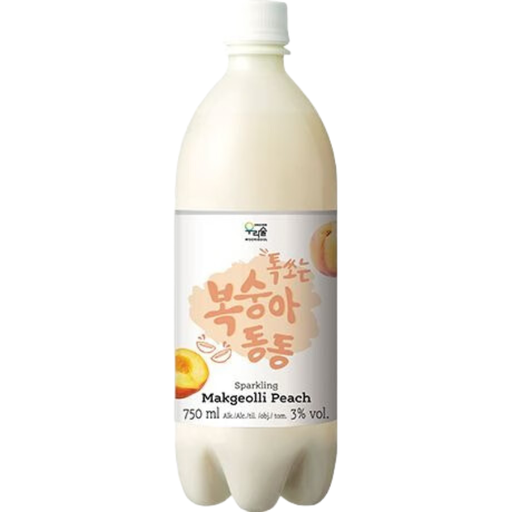
Why this fits the profile: This Korean rice wine contains 3% alcohol and 750 ml. That makes it suitable for a meal where you want to share a larger bottle.
The alcohol percentage and size are clearly stated. The ingredients include rice, peach extract and wheat; check this if you have a gluten allergy.
3% alcohol, 750 ml and a peach flavour with a light, slightly sweet profile according to the product information.
We've put together a full, up-to-date list of products that fully meet these strict selection criteria and comply with current European safety regulations.
According to the product descriptions, fruit soju tastes best chilled, neat or with ice. Put the bottle in the fridge in good time and check the storage instructions on the label after opening. Soju can also be used as a cocktail base, but keep the total alcohol percentage in mind.
Soju is usually a clear alcoholic drink, often available with fruit flavours and percentages around 12% to 13%. Makgeolli is a Korean fermented rice wine with a cloudier appearance, softer texture and often a lower alcohol percentage. The right choice depends on taste, alcohol percentage and how many people you're sharing the bottle with.
Flavoured soju is often fruity and slightly to noticeably sweet. The exact amount of sugar varies from product to product. So check the nutritional information table and ingredients list rather than relying solely on the flavour name. The same goes for Japanese plum wine, umeshu and other Korean alcoholic drinks.
