
Vandaag of morgen in huis

Kwaliteit gegarandeerd

Welkomstaanbiedingen ontgrendelen: GRATIS bezorging | Tot 80% korting | Gratis 30 dagen JoyPlus-proefperiode
Download de app
If you’re looking to buy Korean drinks, you’ll soon find a wide selection of fruit soju, traditional makgeolli and Korean or Thai lagers. But a striking label doesn’t tell you everything about the flavour, alcohol content or whether a drink is right for the occasion. Ordering online can also come with a few pitfalls that may lead to a disappointing purchase.
This guide will help you compare the key details, from alcohol content and bottle size to ingredients and storage. That way, you can find a Korean drink to suit a Korean BBQ, party or quiet evening at home.
Fruit soju flavoured with peach, melon, grape or yuzu often tastes more approachable than unflavoured soju. That doesn’t automatically mean it’s low in alcohol, though. Alcohol content ranges from 12% in various Oppa and 7DROPS varieties to 20% in some Jinro Chamisul packs. Always check the alcohol content and volume per bottle.
A case of 20 bottles of Jinro Chamisul Peach Soju could be handy for a party or a larger group. If you’d like to try a flavour first, a single 350 or 360 ml bottle makes more sense. Don’t just look at the price per pack: check the number of bottles, the volume and the use-by information on the packaging too.
Korean makgeolli is a fermented rice wine that often has a creamy or lightly sparkling texture. Varieties differ in alcohol content, flavour and allergens. According to the product information, Woorisool Rice Wine Makgeolli Peach contains ingredients including rice, peach extract and wheat. The classic variety contains rice, barley and wheat flour. So check the ingredients and storage advice before ordering. Use the label as a guide, especially after opening.
For a light, fruity introduction, look for fruit soju with 12% or 13% alcohol. For a more traditional soju experience, the alcohol content may be higher. The product information lists Jinro Chamisul Lemon and Jinro Chamisul Green Grape at 13% alcohol each. Serve alcoholic drinks chilled if recommended in the product information, and drink responsibly.
Fruit soju usually contains flavourings, sugar or sweeteners as well as alcohol. Ingredients vary by flavour. According to the product information, OPPA Soju Yuzu 12% contains yuzu concentrate, apple and pear products, and sweeteners. If you avoid allergens, always check the current packaging.
When choosing beer, look out for gluten-containing grains. Cass Fresh Beer is described as a Korean lager made with water, malted barley, maize, hops and yeast. According to the product information, Chang Beer Classic and LEO Beer also contain barley or malted barley.
A 350 or 360 ml bottle is suitable for serving one person or sharing with a small group. Makgeolli is often sold in a larger 750 ml bottle, making it a better fit for a meal or several people.
When ordering online, check:
In the Netherlands, alcohol cannot be sold to anyone under the age of 18. Don’t drink if you’re going to drive, and follow the information on the label.
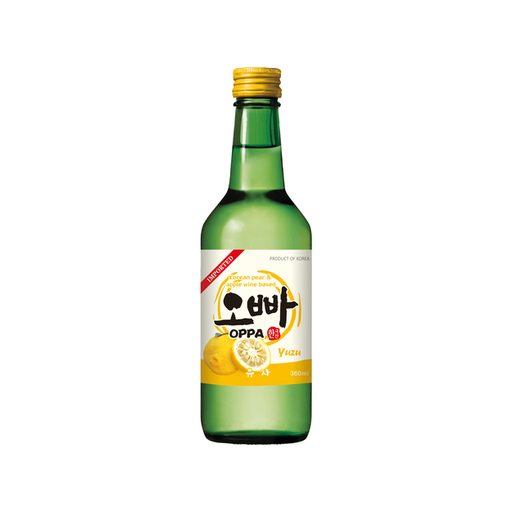
Why it suits this buyer: At 360 ml and 12% alcohol, this is an easy-to-manage choice if you’re trying fruit soju for the first time.
The product information lists the alcohol content and nutritional values per 100 ml, making it easier to assess sweetness and alcohol separately.
12% alcohol, 360 ml and a yuzu flavour. Please note: the ingredients include apple and pear products.
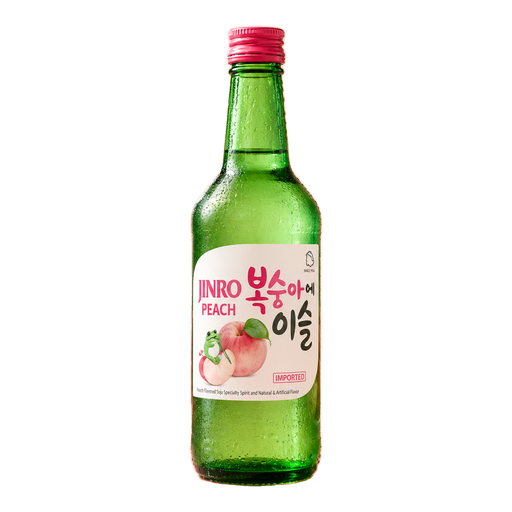
Why it suits this buyer: This Korean fruit soju is a good match for fans of a familiar brand and peach flavour to enjoy with Korean dishes.
The product page gives details of its origin, flavour, volume and serving suggestions. This helps you compare concrete details rather than relying on marketing language alone.
350 ml per bottle, peach flavour and available in a 20-bottle pack for larger occasions.
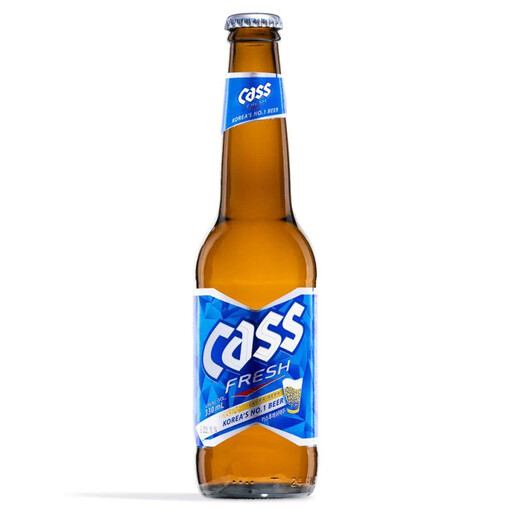
Why it suits this buyer: A single 330 ml can is handy for Korean BBQ, fried snacks and social occasions when you want to serve each person individually.
The format means you don’t have to buy a large supply straight away. The ingredients include malted barley, a gluten-containing grain.
4.5% alcohol, 330 ml and a lager profile that, according to the product description, pairs well with Korean barbecue and fried dishes.
We’ve put together a complete, up-to-date list of products that meet these strict selection criteria and the applicable European safety regulations.
A 12% or 13% fruit soju in a 350 or 360 ml bottle is a good place to start. Choose a flavour you already know, such as peach, apple, melon or grape. Always check the alcohol content: a sweet taste can make the alcohol less noticeable.
Soju is a clear Korean alcoholic drink, often available in unflavoured or fruity varieties. Makgeolli is a cloudy, fermented Korean rice wine with a softer, sometimes lightly sparkling texture. The makgeolli products mentioned here have an alcohol content of between 3% and 6%, while fruit soju is often around 12%.
Store unopened bottles according to the label, usually somewhere cool and out of direct sunlight. Seal an opened bottle tightly; some products recommend refrigeration after opening. It’s especially important to follow the storage and use-by information on makgeolli packaging, as it’s a fermented drink.
