
Same-day & Next-day Delivery

Quality Guaranteed

Unlock Your Welcome Offers: FREE Delivery | Up to 80% OFF | Free 30-day JoyPlus trial
Download the APP
Buying Japanese soft drinks might seem straightforward, but the range varies widely in flavour, size, packaging and ingredients. Whether you’re looking to buy ramune for a party, a fruity drink for home, or a special bottle for an Asian snack selection, it pays to look beyond just the colour of the label.
Three common pitfalls keep cropping up:
Ramune is often sold in glass bottles of 200 ml. That’s a handy size for a tasting, a treat or a party table. A 200 ml bottle contains less drink than a 330 ml can, but it makes it easier to try several flavours side by side.
For larger groups, packs of 24 or 30 are more practical. When buying in bulk, keep an eye on:
The famous Japanese soft drink with a marble is ramune. The glass marble sits in the neck of the bottle and is pushed down when you open it. Place the bottle on a flat, stable surface and hold the plunger down for a few seconds. Because of the carbonation pressure, the drink can spill if opened incorrectly.
Supervision is advisable around children. The marble is part of the bottle design and must not be removed. Always check that the seal is intact before opening the bottle.
Compare the ingredients list and nutritional information per 100 ml. HATAKOSEN Ramune varieties, for example, contain carbonated water, sugar or glucose-fructose syrup, citric acid, flavourings and colourings. The strawberry version lists 39 kcal and 8.2 g of sugar per 100 ml.
If you’re looking for a sugar-free drink, consider a version with sweeteners, such as Pepsi Zero Cream Soda. According to the product information, this drink contains caffeine and sweeteners including aspartame, acesulfame-K and sucralose. Always check the current label if you have allergies. LOTTE Milkis Strawberry, for instance, contains milk ingredients and soya.
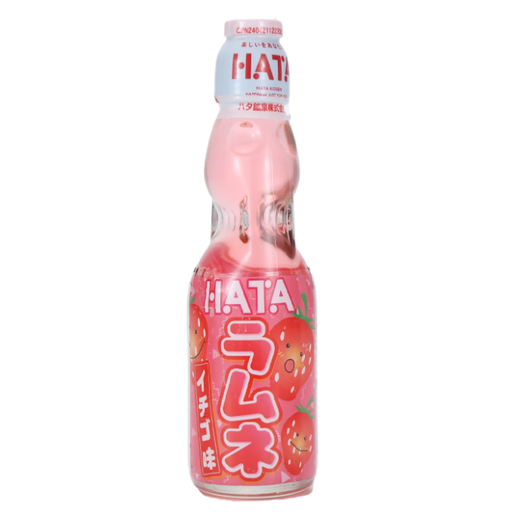
Why this fits the profile: A single 200 ml bottle offers a straightforward introduction to Japanese ramune and the strawberry flavour.
You don’t buy a large box straight away before you know whether ramune and strawberry suit your taste.
200 ml, glass bottle, strawberry flavour and 39 kcal per 100 ml according to the product information.
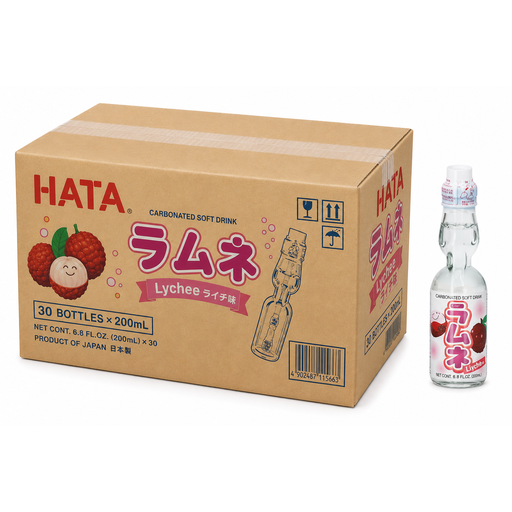
Why this fits the profile: For enthusiasts who want a steady supply of a recognisable Japanese brand and a less common fruit flavour.
The box contains 30 bottles of 200 ml, so the quantity is clear upfront and impulse purchases are kept in check.
Lychee flavour, 30 glass bottles and 39 kcal per 100 ml according to the stated nutritional information.
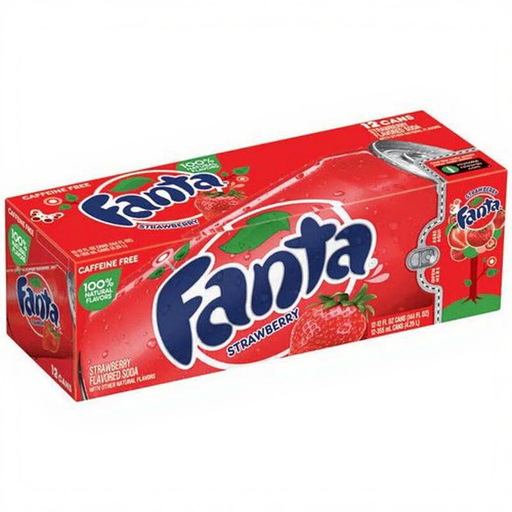
Why this fits the profile: A practical choice for birthdays, film nights and other occasions where several people want a serving.
The packaging clearly states 12 cans of 355 ml, so you can easily match the stock to the number of guests.
12 cans, 355 ml each and a strawberry-lemon profile with 48 kcal per 100 ml according to the product information.
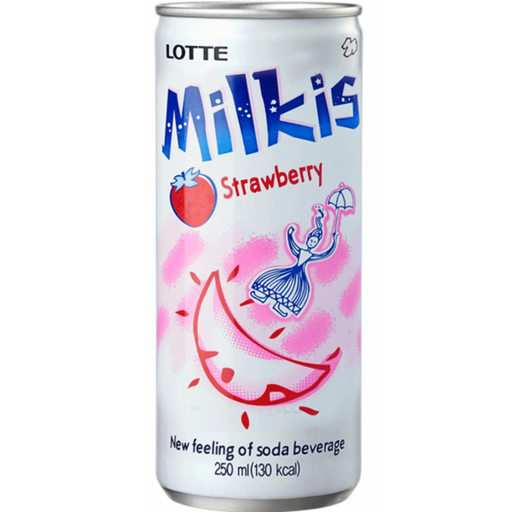
Why this fits the profile: For those who want to try a soft milk and yoghurt sensation from Korea alongside fruity fizzy drinks.
The product information explicitly mentions milk ingredients, so you don’t accidentally order this drink as a regular ramune.
250 ml per can, strawberry flavour, carbonation and a clearly stated milk allergen.
Alongside ramune, there are other types of Asian soft drinks you can order online. Think of Japanese fruit varieties with mango, blueberry or pineapple, as well as Korean Milkis. If you’re looking for less sugar, compare products with sweeteners against regular versions. Pay attention to caffeine, allergens and the recommended storage method.
For parties, cans are often easier to chill and hand out. For a gift, tasting or collection, glass ramune bottles make more of an impression. Store unopened drinks according to the label, away from direct sunlight and in a cool, dry place. Once opened, soft drinks should generally be refrigerated and consumed within the period stated on the label.
We’ve put together a full, up-to-date list of products that fully meet these strict selection criteria and comply with current European safety regulations.
Place the bottle upright on a flat surface. Remove the protective film, position the opener over the opening and gently push the marble down. Hold the plunger for a few more seconds. Do not shake the bottle or tilt it while opening.
The exact best-before date is on the packaging. Store unopened bottles in a cool, dry place away from direct sunlight. Once opened, it’s best to keep ramune refrigerated and drink it within the period stated on the label. Always check the seal and packaging before use.
It varies by variety. Many HATAKOSEN and HATAKOSEN Ramune products contain sugar or glucose-fructose syrup. So check the nutritional information per 100 ml. Some other fizzy drinks use sweeteners and contain little or no sugar, but may contain caffeine or other ingredients.
