
Vandaag of morgen in huis

Kwaliteit gegarandeerd

Welkomstaanbiedingen ontgrendelen: GRATIS bezorging | Tot 80% korting | Gratis 30 dagen JoyPlus-proefperiode
Download de app
Korean soft drinks come in far more varieties than just sweet, fizzy pop. Think fruit drinks with pulp, sparkling citrus beverages, creamy cream soda and sugar-free lemonade. That makes choosing online interesting, but also tricky. A flashy can doesn't tell you much about the sugar content, the size or the ingredients.
With this practical selection guide, you can compare Korean drinks based on verifiable product information. That way, you'll avoid a bad buy for everyday use, an Asian meal or a party.
A name like peach, grape or mango mainly describes the flavour direction. The fruit content can vary widely. Haitai Bong Bong Peach, for example, lists 5% peach pulp and 0.5% peach concentrate. Jeju Hallabong ADE Sparkling states 0.9% citrus concentrate.
If you want a Korean fruit drink with a noticeable texture, look specifically for words like pulp, fruit pieces or fruit purée. A fruit drink without pulp can actually be more pleasant if you're after a smooth beverage.
A sugar-free Korean lemonade may contain sweeteners such as sucralose or acesulfame-K. These give a different flavour profile to sugar. So check the ingredients list and nutritional information per 100 ml, rather than just looking at the front of the packaging.
For comparison: Korean Smile Apple Mango contains 8.5 grams of sugar per 100 ml according to the product information. LOTTE Milkis Melon lists 12 grams of sugar per 100 ml. The exact amount per can then depends on the pack size.
A box of 24 cans is practical for a store cupboard, office or party. However, for someone wanting to try a new flavour, a large format can be inconvenient. Also pay attention to the total volume: 24 cans of 340 ml is quite different from six pouches of 190 ml or individual cans of 200 to 250 ml.
Korean soft drinks are available in cans, bottles and pouches. A 230 or 250 ml can is suitable as a portion with a snack or lunch. A 1.5 litre bottle is more practical when several people are drinking. Pouches, such as the Caffe Bene Green Grape Ade Pouch, take up little space on a picnic or when you're on the go.
Also check the total quantity when comparing prices. A lower price per pack doesn't automatically mean a lower price per litre.
Use the table per 100 ml as a fixed basis for comparison. Look out for:
Product information on a webshop can change. So always read the physical label on arrival for ingredients, allergens, best-before dates and storage advice.
A Korean fizzy drink contains carbon dioxide and suits those who enjoy a tingling mouthfeel. Examples include Jeju Hallabong ADE Sparkling and LOTTE Lemon & Lime Lemonade. Bong Bong Peach and Bong Bong Grape, on the other hand, are mainly interesting because of the fruit pulp or fruit pieces they contain.
Store carbonated drinks according to the label, away from direct sunlight and extreme heat. Once opened, they should generally be kept chilled and used within the stated period.
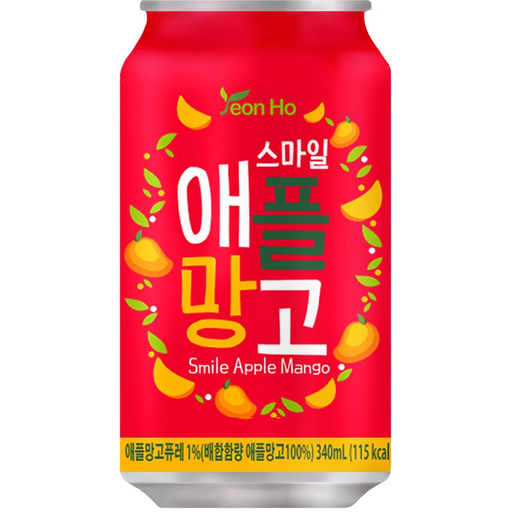
Why this fits the profile: A familiar combination of apple and mango in a 340 ml can. According to the product information, the drink contains 33 kcal and 8.5 grams of sugar per 100 ml.
The nutritional values and ingredients are clearly stated. You know in advance that it's a fruity drink with purée, sugar and sweeteners.
340 ml per can, apple-mango purée and storage at room temperature according to the product description.
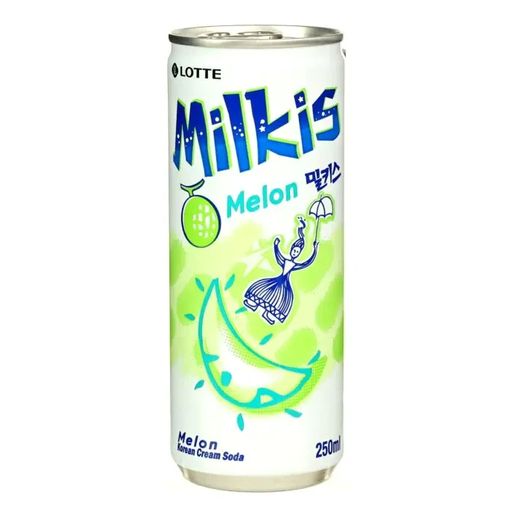
Why this fits the profile: For those who don't want a standard soft drink, but a carbonated beverage with melon flavour and a creamy impression thanks to skimmed milk powder.
The ingredients list makes it clear that this isn't an ordinary lemonade: the product contains milk and soya. That helps with an informed choice around allergens.
250 ml can, 48 kcal per 100 ml and a distinctive combination of melon, carbonation and milk powder.
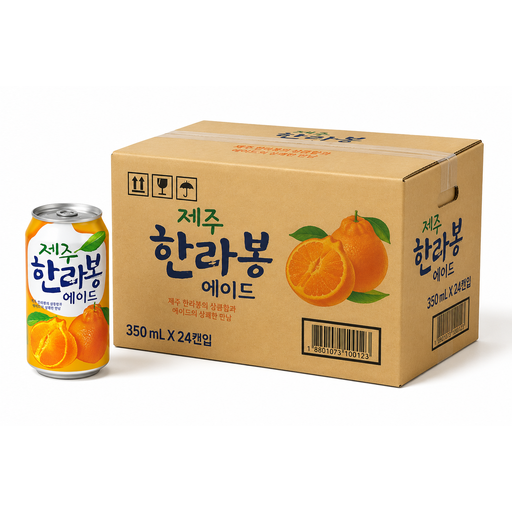
Why this fits the profile: A multipack of 24 cans of 350 ml for a store cupboard, office, event or regular pairing with Asian meals.
The size is clear upfront: 24 individual portions. That means you don't have to calculate with a large bottle that quickly loses its fizz once opened.
24 x 350 ml, carbonated and according to the product information 50 kcal and 12.2 grams of sugar per 100 ml.
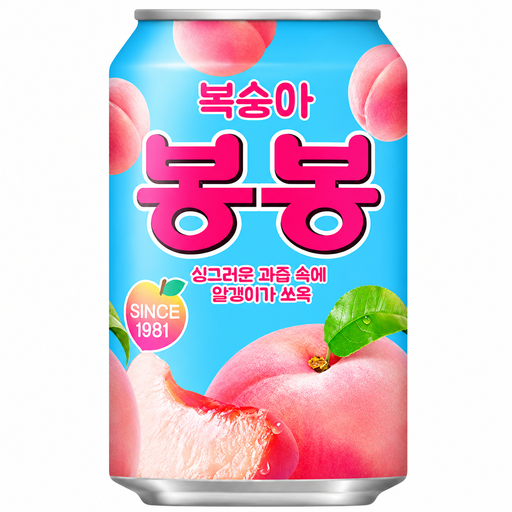
Why this fits the profile: This Korean fruit drink contains 5% peach pulp according to the product information and is intended for those who want more texture than a smooth lemonade.
The presence of pulp is explicitly stated in the product description. So you're choosing based on texture, not just a peach flavour on the label.
340 ml per can, peach pulp and clear nutritional information of 85 kcal and 19 grams of sugar per 100 ml.
We've put together a full, up-to-date list of products that fully meet these strict selection criteria and current European safety regulations.
Haitai Bong Bong Peach lists peach pulp and Bong Bong Grape lists grape pieces. Always check the current ingredients list on the packaging, as recipes and product information can change.
Store unopened drinks according to the stated advice, usually in a cool, dry place or at room temperature. Keep opened soft drinks chilled and use them within the period stated on the label. For carbonated drinks, a well-sealed container helps preserve the fizz for longer.
No. A Korean soda, ade or lemonade can contain carbon dioxide, but fruit drinks with pulp are not necessarily fizzy. Look for terms like carbonated water, carbon dioxide or sparkling in the ingredients list. If you're specifically after a still Korean fruit drink, it's better to look for pulp, purée or juice drink in the product description.
