
Vandaag of morgen in huis

Kwaliteit gegarandeerd

Welkomstaanbiedingen ontgrendelen: GRATIS bezorging | Tot 80% korting | Gratis 30 dagen JoyPlus-proefperiode
Download de app
A bright green melon soda, a Japanese Ramune bottle with a marble, or a Korean milk soda: Asian soft drinks stand out for their flavour, packaging and texture. Yet the range isn't always easy to compare. Products with the same flavour name can differ significantly in sugar content, portion size, ingredients and packaging.
So watch out for these three common pitfalls:
The flavour category ranges from sweet and fruity to creamy and slightly tangy. If you're trying Japanese or Korean soft drinks for the first time, it's best to look at the base of the drink.
Melon soda usually has a sweet, recognisable melon flavour and carbonation. The drink often contains sugar, glucose-fructose syrup or fructose-glucose syrup, and flavourings. Hata Kosen HATASODA Muskmelon, for example, lists 36 kcal and 8.9 grams of sugar per 100 ml. This makes comparing the label more important than just the product name.
Some variants use the term muskmelon or honeydew melon. This refers to a flavour profile that is often sweet and fragrant. The exact taste depends on the flavourings used and any fruit content.
A watermelon soft drink can be a carbonated soda, but also a still fruit drink. Tomomasu Watermelon Flavoured Soft Drink lists watermelon juice concentrate, natural flavourings and carbonation, with 31 kcal per 100 ml. Mela Original lists 99% watermelon juice and 30 kcal per 100 ml.
Pay attention to the difference between juice percentage, fruit flavouring and soft drink. A higher juice percentage doesn't automatically mean the product contains less sugar. Always check the nutritional information table and the ingredients list.
Milkis Melon combines carbonation with skimmed milk powder and melon flavouring. The product information lists 48 to 50 kcal and 12 grams of sugar per 100 ml, depending on the packaging. This gives the drink a softer, creamier character than a regular melon soda.
Always check the allergens for Milkis and similar drinks. Milkis contains milk and soya. This is stated on the label and is important for households where allergies are a concern.
A nata de coco drink contains soft, chewy pieces of coconut jelly. Mogu Mogu Melon contains 15% nata de coco according to the product information, and is sold in a multipack of six 320 ml bottles. KATO Watermelon Juice with Nata de Coco combines watermelon juice with nata de coco.
This texture is an important part of the drinking experience. So check that the opening is wide enough, and shake the bottle according to the instructions on the packaging. The pieces make this type of drink less suitable for people who prefer a completely smooth soft drink.
Packaging comes in different sizes: 200 ml Ramune, 230 ml Korean ade, 250 ml Milkis, 300 ml Japanese soda and 320 or 330 ml fruit drinks. So don't just look at the values per bottle.
In the range provided, the listed values range from approximately 30 to 50 kcal per 100 ml. The amount of sugar also varies. For daily use, a party or a bulk purchase, this difference can influence your choice and total spend.
Look out for the following terms:
The product page and packaging may contain different or more detailed information. So always read the physical label before consumption, especially if you have allergies or food intolerances. According to the product information, Hatakosen Ramune Watermelon contains none of the 14 main EU allergens, while Milkis contains milk and soya. Check the current packaging if recipes change.
A single bottle or can is handy for trying a flavour first. Multipacks make more sense for an anime party, an Asian meal, a catering business or a household that regularly stocks up.
With glass bottles, be careful during transport and storage. Ramune bottles with a marble make a fun presentation, but open them carefully and not after shaking. Store all drinks in a cool, dry place away from direct sunlight. Once opened, they should generally be refrigerated and used within the period stated on the label.
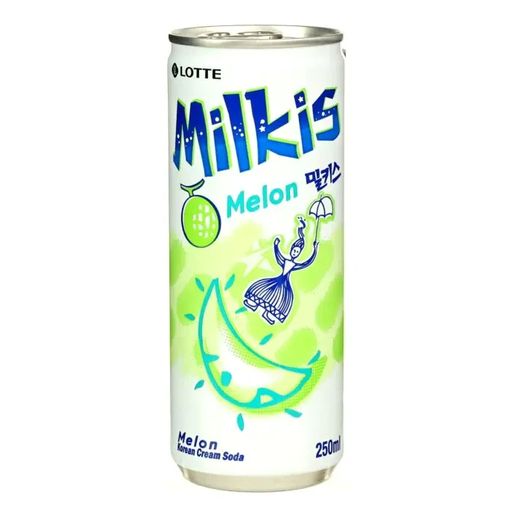
Why this fits the profile: The 250 ml can offers a manageable portion for anyone wanting to try Korean soft drinks without buying a large box straight away.
The product information lists the portion size, ingredients, nutritional values and allergens, so you don't have to rely solely on the eye-catching packaging.
250 ml per can; carbonated milk drink with melon flavouring; contains milk and soya.
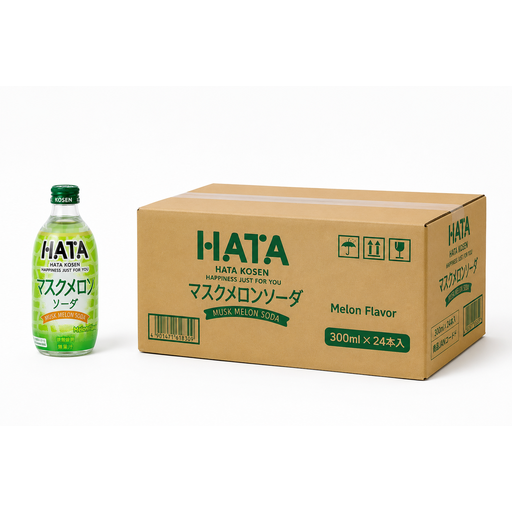
Why this fits the profile: The box of 24 bottles is ideal for enthusiasts who want to serve a recognisable Japanese muskmelon flavour across multiple occasions.
The packaging states the contents per bottle and the nutritional values per 100 ml, so you can estimate stock and portions in advance.
24 bottles of 300 ml; 36 kcal and 8.9 grams of sugar per 100 ml according to the product information; suitable for serving chilled.
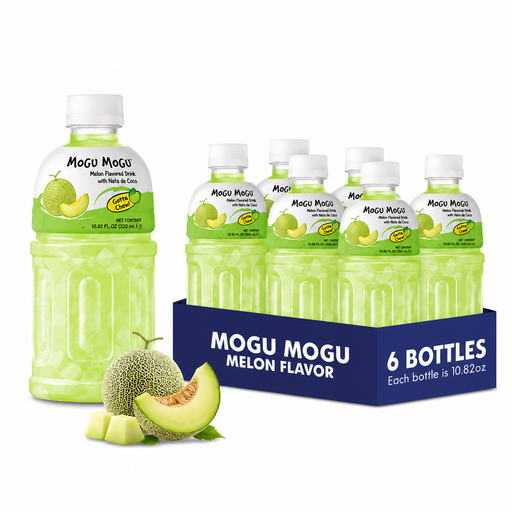
Why this fits the profile: The nata de coco pieces offer a different texture from regular fizzy fruit drinks, and they suit parties, snack times and fans of unusual Asian drinks.
The product description makes it clear that this is not a smooth soft drink, but a fruit drink with 15% nata de coco. So you know what you're buying in advance.
Six bottles of 320 ml; melon flavour; nata de coco; 49 kcal and 11 grams of sugar per 100 ml according to the product information.
We've put together a full, up-to-date list of products that fully meet these strict selection criteria and comply with current European safety regulations.
Store opened soft drinks in the fridge and seal the bottle well. Drink the contents within the period stated on the packaging. Ramune and other carbonated drinks gradually lose their fizz after opening, especially if they aren't sealed properly.
That depends on your personal preference and consumption habits. Many varieties contain sugar, so compare the nutritional values per 100 ml and take the portion size into account. A fruit drink with juice isn't automatically sugar-free. Use the label as your guide.
The price per portion depends on the size, packaging and number of bottles. Divide the price of a multipack by the number of units, and then compare the price per 100 ml if you like. A single Ramune bottle can be handy for trying, while a box of 24 may be more practical for stocking up or for catering.
