
Vandaag of morgen in huis

Kwaliteit gegarandeerd

Welkomstaanbiedingen ontgrendelen: GRATIS bezorging | Tot 80% korting | Gratis 30 dagen JoyPlus-proefperiode
Download de app
A chilled coffee from the fridge is handy for on the go, at the office, or while studying. However, ready-to-drink iced coffees vary greatly in taste, sugar content, size, and caffeine. If you only look at the packaging or brand name, you could end up with a drink that’s too sweet, runs out too quickly, or doesn’t suit your preferred coffee moment.
With these practical checkpoints, you can compare ready-to-drink coffee, iced latte, iced mocha, and iced Americano based on verifiable product information.
A product with less sugar can still contain sugar or sweeteners. For example, UCC Blend Coffee Less Sugar contains sugar, milk powder, dextrin, and the sweetener acesulfame-K. So always check the “of which sugars” per 100 ml line, not just the name on the front.
For those who want no sugar at all, UCC Black Coffee states 0 grams of sugar according to the product information, and the product consists of water and roasted coffee. The nutritional values are listed as 0 kcal, with 0.5 grams of carbohydrates.
An iced coffee multipack can be convenient for a household, office, or student house. But a box of 24 cans or bottles takes up space, and a litre carton needs to be refrigerated after opening and used within the stated period. So compare the total volume, shelf life, and storage instructions against your expected consumption.
Some products list caffeine per 100 ml, others per serving. According to the label, OD Gourmet Ice Coffee Cappuccino contains 52 mg of caffeine per 100 ml. At 240 ml, that works out to about 125 mg per serving. Starbucks Tripleshot Espresso Iced Coffee lists 47 mg per 100 ml with a volume of 300 ml.
Use caffeine information as a comparison point, but don’t draw conclusions about health or performance. Products with a high caffeine content also carry a warning for children, pregnant women, and people sensitive to caffeine. Always check the current label.
For a short coffee break, a serving of around 185 to 250 ml is usually manageable. For home, a litre carton can be more economical or practical, especially if several people are drinking iced cappuccino.
Keep these points in mind:
Always compare nutritional values per 100 ml. A 300 ml drink might seem light per 100 ml, but contains three times that amount in total. With milky varieties, milk powder, milk fat, and allergens also come into play.
Examples from the product specifications:
The flavour category also tells you something about the composition. An iced mocha typically contains chocolate or mocha flavour, while an iced latte or cappuccino usually tastes milkier. With an iced Americano, the emphasis is more on the coffee and a lighter texture.
Don’t just look at the front of the packaging. Check the ingredients list for milk, sugar, sweeteners, flavourings, and stabilisers. For people with allergies, the allergen information is decisive.
Store unopened products according to the label. Many varieties need to be kept cool and out of direct sunlight. Once opened, they must be refrigerated and consumed within the stated period. A broken seal before use is a reason not to use the product.
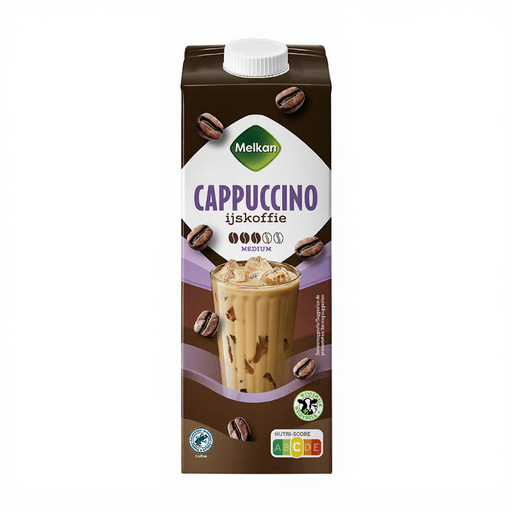
Why this fits the profile: The litre carton is suitable for home use and multiple coffee moments, for example while studying or in a shared office.
The volume is clearly stated, so you won’t mistake a large carton for a single-serving pack. After opening, the product must be stored refrigerated.
49 kcal and 7.8 grams of sugar per 100 grams; cappuccino flavour with milk and coffee extract.
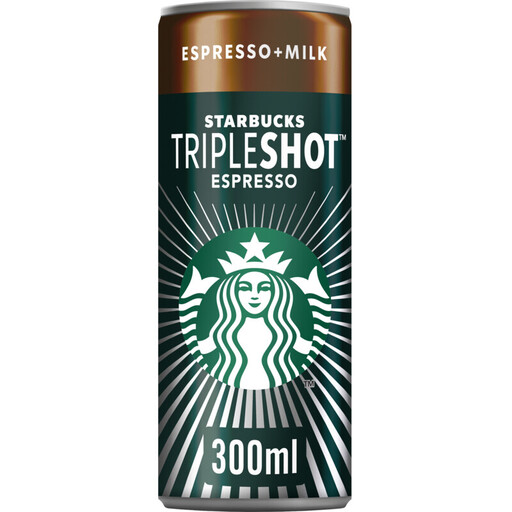
Why this fits the profile: This larger serving is aimed at coffee drinkers looking for a milky espresso variant with a clearly stated caffeine content.
The packaging states 47 mg of caffeine per 100 ml and a volume of 300 ml. This allows you to compare the total amount more consciously.
Made with Starbucks Arabica coffee according to the product description; 300 ml and 71 kcal per 100 ml.
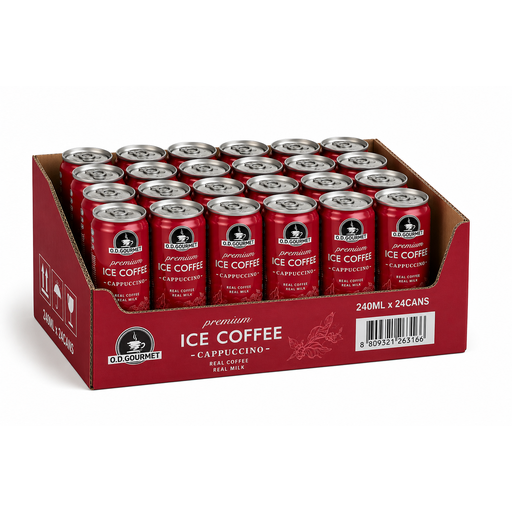
Why this fits the profile: A box of 24 servings is ideal for regular use at the office, in a student house, or for stocking up the fridge.
The servings are individually packaged. The product information states 52 mg of caffeine per 100 ml and gives clear storage instructions after opening.
240 ml per serving, 39 kcal and 6.8 grams of sugar per 100 ml; milk-containing cappuccino.
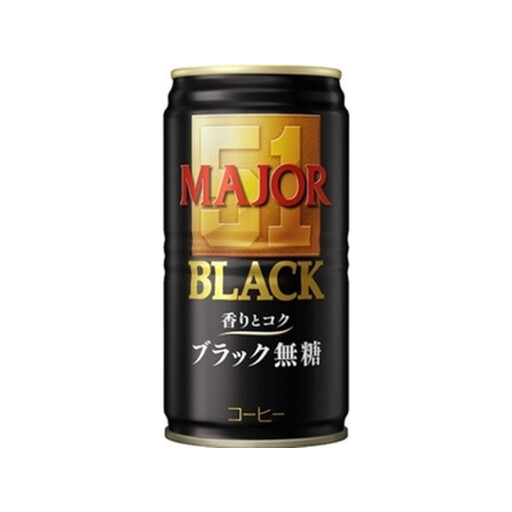
Why this fits the profile: A small, sugar-free serving suits those looking for cold coffee without milky or flavoured additions.
The ingredients list is short: water and 8% roasted coffee. The product information states 0 grams of sugar and none of the 14 major EU allergens.
185 g per serving; according to the stated nutritional information, 0 kcal and 0 grams of sugar.
We’ve put together a full, up-to-date list of products that fully meet these strict selection criteria and comply with current European safety regulations.
Choose an individual serving of around 185 to 300 ml. Check whether you can keep the drink chilled while travelling and pay attention to the closure. A can or bottle is generally easier for a one-off coffee moment than an opened litre carton.
This varies by product. The packaging is the deciding factor. The product information for different varieties states that the drink must be stored refrigerated after opening and used within 24 hours, 2 days, or the stated period. So always check the label rather than relying on a single fixed storage time.
A multipack can be good value per serving if you drink iced coffee regularly. Compare the price per 100 ml or per serving, not just the total box price. Also check the shelf life, storage space, and the sugar and caffeine content per serving. This way, you can avoid a large stock going unused.
