
Vandaag of morgen in huis

Kwaliteit gegarandeerd

Welkomstaanbiedingen ontgrendelen: GRATIS bezorging | Tot 80% korting | Gratis 30 dagen JoyPlus-proefperiode
Download de app
A cold coffee from the fridge might seem like a simple purchase. Yet ready-to-drink iced coffees vary greatly in flavour, size, sugar content and caffeine. A large carton is practical for home, while an iced coffee can is better suited to drinking on the go. And the words cappuccino, mocha and americano don't tell you everything about what's inside.
If you only look at the packaging or brand name, you could end up choosing a product that's too sweet, too strong or awkwardly large. With these checkpoints, you can compare iced coffee based on the product information rather than marketing language.
A 1-litre carton is handy when several people are drinking coffee at home or in the office. If you open it just for yourself, you'll need to keep it refrigerated and pay attention to the recommended consumption period after opening. For a single coffee break, a portion pack of 185 to 300 ml is often more practical.
So don't just compare the product price, but also the price per litre or per portion. An iced coffee multipack can be worthwhile for regular use, but less suitable if you want to try different flavours.
An iced coffee cappuccino typically contains coffee and milk or milk powder, but the ratio varies from product to product. An iced coffee mocha adds a chocolate or mocha flavour. Check the ingredients list and nutritional values to see how much sugar, milk and coffee extract are present.
According to the product information, Melkan Iced Coffee Cappuccino contains 26% coffee, while OD Gourmet Ice Coffee Cappuccino lists 10% coffee extract. These percentages aren't directly comparable one-to-one, because the ingredients are named differently. However, they do give you a reason to look beyond the flavour name on the front.
Caffeine can be stated per can, per bottle or per 100 ml. A drink with 47 mg per 100 ml in a 300 ml pack contains a different total amount than a 185 ml can with the same indication.
So check:
Only use the information on the current packaging as a guide. Product compositions and labels can change.
For home use, a bottle or carton of 1 litre is suitable if you're sharing the iced coffee with several people. For work, study or travel, portions of 185, 190, 230, 240 or 300 ml are easier to take with you. A can is sturdy and quick to open, but not every can has a resealable lid.
With multipacks, pay attention to the total number of packs and the shelf-life information. A box of 24 is most sensible when you drink the beverage regularly or want to stock up for the office.
Choose based on your preference:
Also look at allergens. Some varieties contain milk, while other products, according to their product information, list none of the 14 main EU allergens. If in doubt, the label is definitive.
Compare the values per 100 ml, not just per pack. In the product information provided, the energy across different varieties ranges from 0 kcal per 100 ml for UCC MAJOR without sugar to 71 kcal per 100 ml for Starbucks Tripleshot Espresso Iced Coffee.
That difference is linked to factors including sugar, milk and portion size. A sugar-free variety isn't automatically caffeine-free. For example, OD Gourmet Ice Coffee Cappuccino lists a high caffeine content of 52 mg per 100 ml. Douwe Egberts Iced Mocha Latte states 75 mg of caffeine per can.
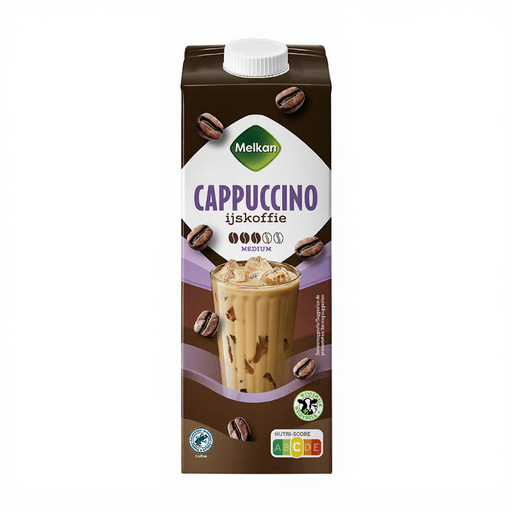
Why this fits the profile: The litre carton is suitable for home or a shared office fridge. The cappuccino flavour is accessible for anyone trying ready-to-drink iced coffee for the first time.
The volume is clearly stated as 1 litre. This allows you to compare the price per litre directly with smaller portions.
1 litre volume; 26% coffee according to the product information; 49 kcal and 7.8 g sugar per 100 g.
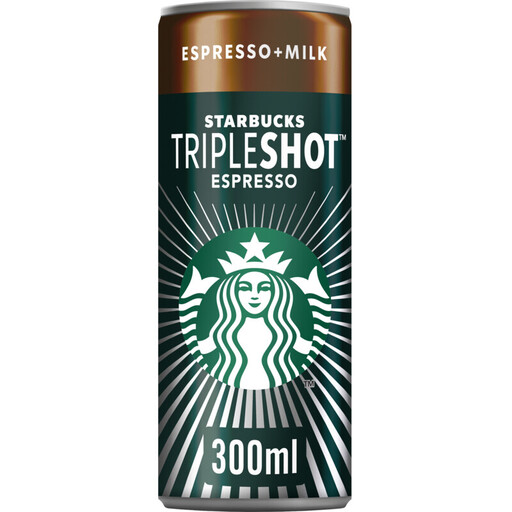
Why this fits the profile: The 300 ml portion is suitable for a longer coffee break at home, in the office or on the go. According to the product information, the drink contains three espresso shots and 100% Starbucks Arabica coffee.
The caffeine is listed as 47 mg per 100 ml. Check the total amount on the label before drinking this regularly.
300 ml volume; milk and coffee extract; 71 kcal per 100 ml according to the product information.
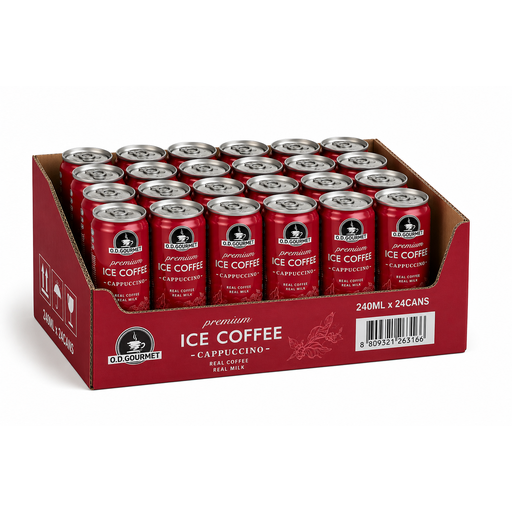
Why this fits the profile: The multipack with 24 portions suits offices, student houses and households that use ready-to-drink coffee regularly.
The volume per unit and the number of packs are clear upfront. This prevents a large box from containing fewer portions than expected.
24 portions of 240 ml; 39 kcal per 100 ml; 52 mg caffeine per 100 ml according to the product information.
We've put together a full, up-to-date list of products that fully meet these strict selection criteria and comply with current European safety regulations.
Unopened products can be stored according to the date and storage instructions on the packaging. After opening, a milk-containing drink usually needs to be kept refrigerated. The exact period varies by product. For example, OD Gourmet Ice Coffee Original states consumption within 24 hours of opening; other products may have a different timeframe.
UCC MAJOR Scent and Rich Black is made without sugar according to the product information and contains 0 g sugar per 100 ml. UCC Blend Coffee Cafe Ole Calorie Off lists 0.4 g sugar per 100 ml. Always check the current label, because "calorie off" doesn't automatically mean sugar-free.
Yes, portions of 185 to 300 ml are practical for taking with you. Choose a pack that doesn't leak and check whether it needs to be kept refrigerated. An iced coffee can is ready to drink straight away, while a multipack is especially handy if you want to take several portions with you in advance or keep a stock at home.
