
Vandaag of morgen in huis

Kwaliteit gegarandeerd

Welkomstaanbiedingen ontgrendelen: GRATIS bezorging | Tot 80% korting | Gratis 30 dagen JoyPlus-proefperiode
Download de app
A chilled iced coffee is handy at home, in the office or on the go. Yet a striking pack says little about the taste, sugar content or caffeine level. A sweet iced cappuccino, for example, can contain more carbohydrates than you might expect, while a small can of coffee can actually deliver a relatively high dose of caffeine.
If you compare carefully, you can avoid a disappointing purchase. Pay particular attention to the nutritional information table, the volume per pack and how you plan to drink it. Below you’ll find practical points to consider, along with some popular choices for different drinking occasions.
The description less sugar is a comparison with another variant, not a guarantee that it contains no sugar at all. According to the product information, UCC Blend Coffee Less Sugar contains both sugar and sweetener. The stated nutritional value is 13 kcal, but always check whether this is per 100 g, per can or per serving.
If you want to limit sugars, look at the line of which sugars. A black iced coffee with no added sugar, such as UCC Black Coffee, has 0 g sugar and 0 kcal according to the product description. That doesn’t automatically make it suitable for everyone: the taste is less creamy and the caffeine content isn’t listed on every product.
A 1-litre bottle may seem appealing for home use, but once opened, chilled coffee usually needs to be kept in the fridge and used within the time stated on the label. For one person, a multipack of single servings can be more practical. So compare the price per litre as well as the shelf life after opening.
For on the go, cans or bottles of around 185 to 300 ml are easier to carry. A large pack of iced coffee is better suited to multiple drinkers, an office or regular use.
Cappuccino, mocha, vanilla and caramel macchiato mainly refer to flavour and composition. They don’t automatically tell you about the strength. Some variants list caffeine per 100 ml, others only per pack. So if you want to know the total amount in a 240 ml bottle, you’ll need to do the maths yourself.
According to the product information, Douwe Egberts Iced Mocha Latte contains 75 mg of caffeine per 250 ml can. OD Gourmet Ice Coffee Cappuccino states 52 mg per 100 ml. That works out at around 125 mg per 240 ml pack. Also check the warnings on the packaging, especially if you’re sensitive to caffeine.
Always compare nutritional values on the same basis, preferably per 100 ml. This makes the difference between a ready-to-drink iced coffee and a larger pack much clearer.
Milk powder, milk or creamy ingredients often give a softer texture, but can also add allergens and extra calories. So check the fats, sugars and allergen declaration on the actual packaging. Product information can vary by market or pack size.
Choose a size that fits your routine:
A larger pack is only good value if you use the contents in time. Pay extra attention to storage instructions for chilled milk-based drinks.
European labelling regulations require clear information about ingredients, allergens and nutritional values. Drinks with a high caffeine content must also carry a warning if the legal threshold is exceeded. Treat this as a check point, not a quality label.
According to the product information, Starbucks Tripleshot Espresso Iced Coffee has 47 mg of caffeine per 100 ml. Based on that value, the 300 ml bottle contains around 141 mg of caffeine. If you want less caffeine, it’s better to choose a product with a clearly lower or explicitly stated content.

Why this fits the profile: A familiar, lightly sweet iced coffee in a portable size. Ideal if you want to try a standard milky iced coffee first.
The nutritional information is clearly stated: 36 kcal and 5.7 g sugar per 100 g. This means you can compare your choice without relying solely on the flavour name.
240 ml per pack, ready-to-drink and, according to the product information, suitable for serving chilled.
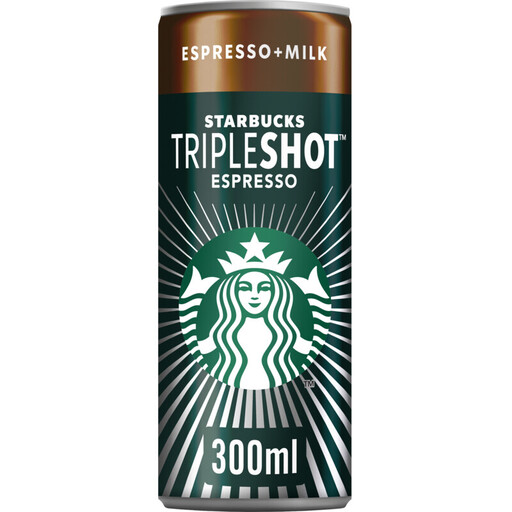
Why this fits the profile: A larger single serving with espresso, milk and Arabica coffee according to the product description. Suits a robust coffee during a long working day.
The caffeine content is listed as 47 mg per 100 ml. So you can plan for around 141 mg in 300 ml.
300 ml volume, 71 kcal per 100 ml and a blend with milk and coffee extract.
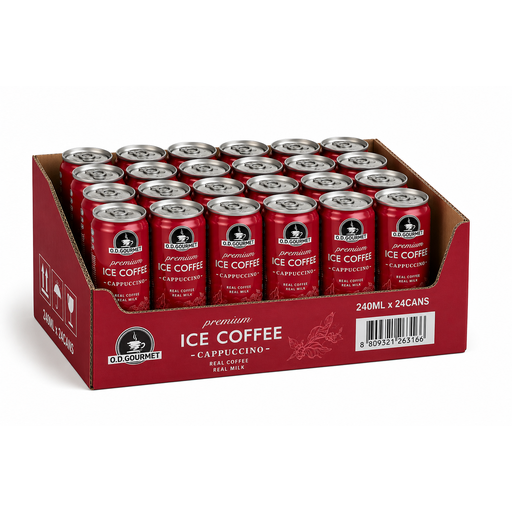
Why this fits the profile: A multipack for a store cupboard, office or daily use. The cappuccino flavour combines coffee extract with milk powder.
The portions are individually packed. This means you don’t have to keep an opened litre pack in the fridge for several days.
24 packs of 240 ml, 39 kcal and 6.8 g sugar per 100 ml according to the product information.
We’ve put together a full, up-to-date list of products that fully meet these strict selection criteria and comply with current European safety regulations.
That varies by brand and size. UCC Black Coffee states 0 g sugar in the product information provided. With milk-based variants, the sugar content is generally higher. So compare the nutritional value per 100 ml and also check the ingredients list.
Always follow the label. Most milk-based iced coffees need to be kept refrigerated once opened and consumed within the stated time. OD Gourmet states a maximum of 24 hours or two days after opening for certain variants. Don’t leave the pack out of the fridge for long periods.
Yes, individual packs of 185 to 300 ml are practical for this. Choose a well-sealed pack, check the best-before date and keep a chilled variant cool if the label says so. With a strong iced coffee, also pay attention to the stated caffeine content.
