
Vandaag of morgen in huis

Kwaliteit gegarandeerd

Welkomstaanbiedingen ontgrendelen: GRATIS bezorging | Tot 80% korting | Gratis 30 dagen JoyPlus-proefperiode
Download de app
A cast iron pan is a lifelong investment. Whether you're a seasoned home chef or simply looking for durable cookware, the promise of perfectly cooked stews and beautifully seared steaks is tempting. But the market is flooded with marketing claims that don't always reflect reality. Before you invest, it's crucial to know what to look for to avoid making a bad purchase.
We often see buyers fall into a few common traps:
To find a pan that truly suits your needs, it's helpful to understand a few technical specifications. This will help you see past the marketing and make an informed choice.
The choice between bare and enamelled cast iron is the most important one you'll make.
Cast iron naturally works on all heat sources, including induction, because it's magnetic. However, the crucial point for pans for induction is the base. It must be completely flat for optimal contact and efficient heat transfer. A slightly warped base can cause uneven heating on an induction hob. Always check the product specifications to ensure the pan is suitable for your cooktop.
Not all cast iron pans are the same. Think about what you'll be using the pan for most often.
To help you choose, we've matched some popular models to specific cooking styles and needs.
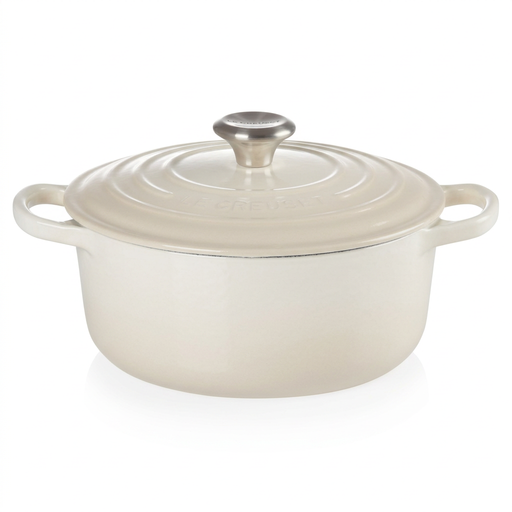
Why This Fits Their Persona: Ideal for those who regularly cook for 3-4 people. This pan is a true workhorse: from a classic stew to baking bread. It's designed to go directly from the oven to the table for serving.
The high-quality enamel is highly chip-resistant, and the lid fits perfectly, keeping moisture and flavours locked in. This avoids the pitfalls of cheap enamel and impractical design.
Exceptional heat distribution and retention for energy-efficient cooking. Suitable for all heat sources, including induction, and is oven-safe.
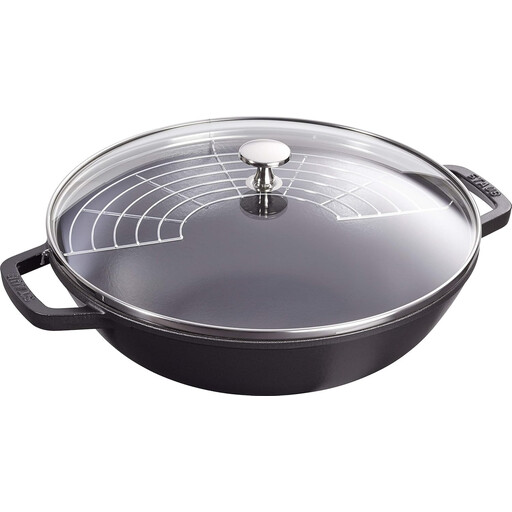
Why This Fits Their Persona: For those who love to cook quick, healthy meals using stir-frying techniques. This cast iron wok combines the fast, high heat of a wok with the superior heat retention of cast iron.
The matte black enamel on the interior is specially designed for searing at high temperatures and is scratch-resistant. The flat base ensures stability and efficiency on induction hobs.
Comes with a glass lid, tempura rack, and spatula. The heat spreads across the entire pan, not just the base, for authentic stir-frying.
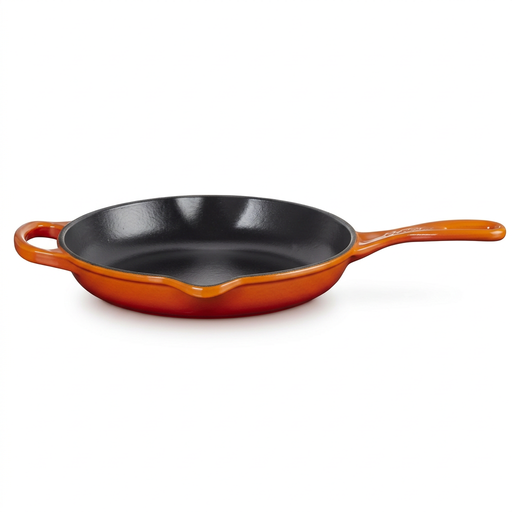
Why This Fits Their Persona: Perfect for quickly searing a steak, frying vegetables, or making an omelette. The size is ideal for one or two-person households and for quick, weeknight meals.
The matte black enamel is specifically designed for caramelisation at high temperatures, a task where cheaper enamel would fail. The pan is from a renowned brand known for its quality control.
The two pouring spouts make it easy to drain excess fat. The pan gets extremely hot and retains that heat for a perfect sear (Maillard reaction).
We have compiled a complete, up-to-date list of products that fully meet these strict selection criteria and local regulations.
Although many manufacturers state that the pan is dishwasher-safe, hand washing is strongly recommended to preserve the shine of the enamel. Use warm water, a soft brush or sponge, and a mild dish soap. Avoid abrasive scouring pads or harsh cleaning agents. Always let the pan cool down completely before exposing it to cold water to prevent thermal shock (and potential cracks in the enamel).
Weight is an indicator of the thickness of the cast iron. A thicker, heavier pan retains heat better and more evenly, resulting in more stable cooking performance. However, an extremely heavy pan can be impractical for daily use. Choose a weight that you can handle comfortably, especially when the pan is full and hot.
For an enamelled pan, the most common cause is that the pan was not preheated properly. Cast iron needs time to come up to temperature. Heat the pan for a few minutes over medium heat with some oil or butter before adding your food. Using too high a temperature is also a common mistake; because cast iron retains heat so well, a medium setting is often sufficient.
