
Vandaag of morgen in huis

Kwaliteit gegarandeerd

Welkomstaanbiedingen ontgrendelen: GRATIS bezorging | Tot 80% korting | Gratis 30 dagen JoyPlus-proefperiode
Download de app
The peanut and nut aisle has expanded significantly in recent years. Where you once chose between salted or unsalted, you can now find everything from traditional cocktail nuts to Asian snacks infused with tea. This abundance of choice doesn't always make things easier. Many products look similar, and marketing terms can be misleading.
Before you make a choice, it's wise to be aware of a few common pitfalls:
By paying attention to a few key points, you can avoid a bad purchase and choose the peanuts that truly suit your taste and needs.
Focus on the specifications that really matter. The preparation method, salt content, and package size determine the flavor, texture, and price.
The way peanuts are prepared has a major impact on their taste and texture.
The ingredients list provides the best indication of what to expect.
To help you choose, we've matched several products to different preferences. This selection is based on product specifications and intended use cases.
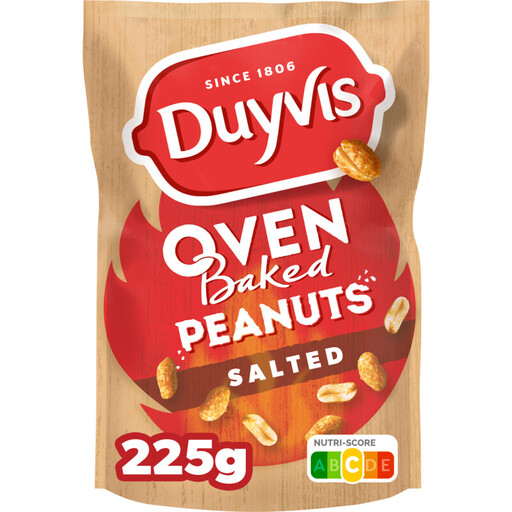
Why This Fits Their Persona: Ideal for those seeking that familiar flavor for cocktail hour. This is a classic for any appetizer spread, offering predictability and a savory taste.
This product avoids the pitfall of a misleading flavor. It delivers exactly what it promises: a classic, savory taste without unexpected sweetness or complex spices.
Dry-roasted peanuts with a consistent, recognizable flavor. A reliable choice from a well-known brand.
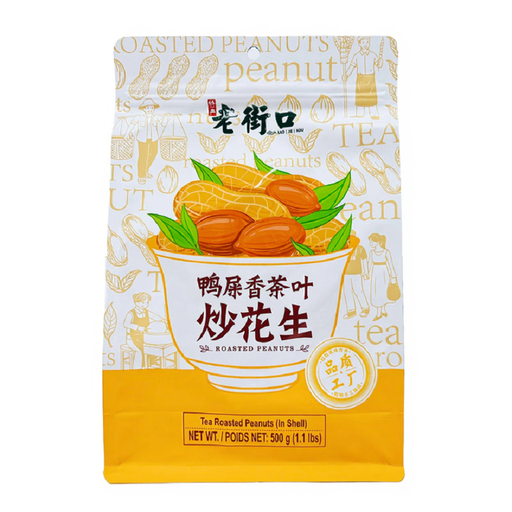
Why This Fits Their Persona: For those who want a change from standard salt or paprika. These peanuts offer a unique taste experience through their infusion with Oolong tea, a popular choice within Asian snacks.
The flavor isn't a superficial powder coating. According to the manufacturer, Lao Jie Kou, the peanuts are infused with tea, which provides a subtle and authentic aroma that complements the nutty flavor.
Unique combination of roasted peanut and tea aroma. The peanuts are still in their shells, which makes for a more engaging snacking experience. Large 500g package.
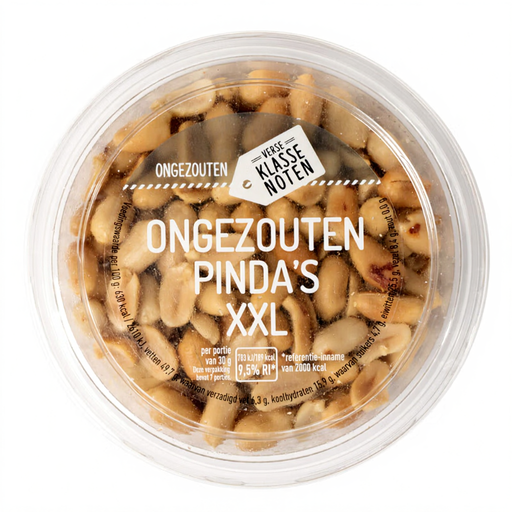
Why This Fits Their Persona: Perfect for those who want to control their salt intake. These peanuts are all-natural: just roasted peanuts, with no additives. Ideal as a snack or as a base for recipes.
This product completely sidesteps the "healthy illusion." The ingredient list is as short as it gets: 100% peanuts. No hidden salt, sugar, or oil.
Unsalted and pure, allowing you to taste the full, nutty flavor of the extra-large peanuts. Naturally contains protein and fiber.
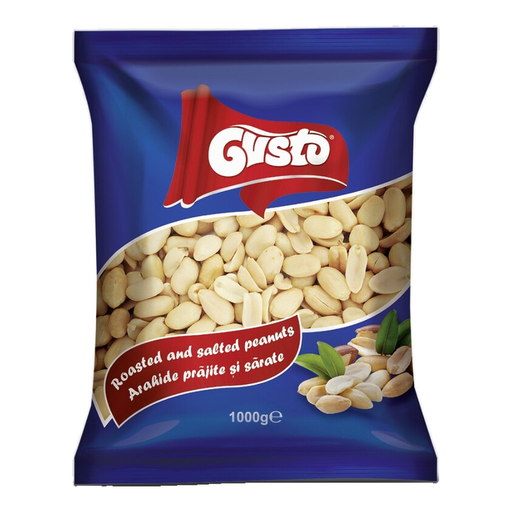
Why This Fits Their Persona: For households that regularly eat peanuts or for hosting a party. A 1 kg bulk pack offers convenience and is often more economical for heavy users.
This package is exactly what it seems: a large quantity of standard salted peanuts. It avoids the "false value pack" pitfall by simply offering a large, straightforward amount.
A peanuts 1kg pack is practical and ensures you have plenty in stock for a while. The peanuts are classically roasted and salted.
We have compiled a complete, up-to-date list of products that meet these selection criteria and comply with current regulations.
The main difference is the use of oil. Dry-roasted peanuts are prepared with dry heat, in an oven or pan. Oil-roasted peanuts are fried in hot oil. As a result, oil-roasted peanuts often have a higher fat content and a slightly more intense flavor, while dry-roasted peanuts are perceived as 'drier' and purer in taste.
To keep peanuts fresh and crunchy, it's important to protect them from air, light, and moisture after opening. Transfer the contents of an opened bag into an airtight container or jar. Store it in a cool, dark place, such as a kitchen cabinet. This prevents the oils in the peanuts from going rancid and the texture from becoming soft.
Not necessarily, but it's important to check the label. Flavor can be added with herbs and spices, which has little effect on the nutritional value. However, flavored peanuts often contain extra sugar and salt to enhance the taste. Compare the nutrition facts table of a seasoned variety with that of a standard salted peanut to make an informed choice.
