
Vandaag of morgen in huis

Kwaliteit gegarandeerd

Welkomstaanbiedingen ontgrendelen: GRATIS bezorging | Tot 80% korting | Gratis 30 dagen JoyPlus-proefperiode
Download de app
Buying peanuts might seem straightforward, but the difference between a smart purchase and a disappointing one often comes down to the details. A bag of unsalted peanuts is not the same as roasted peanuts with seasoning, for example. The quantity, allergen information and shelf life also determine whether a product suits your needs.
Pay particular attention to these common pitfalls:
For a neutral base for cooking, baking or seasoning yourself, raw peanuts or unsalted peanuts are the most practical choice. Check whether the label lists only peanuts, or whether it also includes ingredients like sunflower oil.
With salted peanuts, the salt content matters more than the name on the packet. For comparison:
These values come from the product information provided and may vary between batches. Always check the current label before purchasing.
The preparation method determines the flavour, texture and use:
For occasional snacking, a 200 to 300 gram bag is usually manageable. If you cook or bake regularly, or cater for several family members, consider 500 gram peanuts or 1 kg peanuts.
Don't just look at the price per packet; also consider:
Store peanuts according to the packet instructions in a cool, dry place, away from direct sunlight and moisture. Seal the bag well to better preserve the flavour and crunch.
Peanuts are a mandatory allergen to declare. If you have an allergy, you should also look out for warnings such as "may contain traces of nuts", sesame, soya or gluten-containing cereals. A product with only peanuts as an ingredient may still carry a cross-contamination warning.
For young children, whole nuts can pose a choking hazard. Follow the warnings on the packet and consider the child's age and eating ability.
Nutritional values are useful for comparing products, but they don't on their own tell you which product is right for you. An unsalted variety may be suitable if you want to add your own flavour, whereas a seasoned peanut snack is more convenient for immediate use.
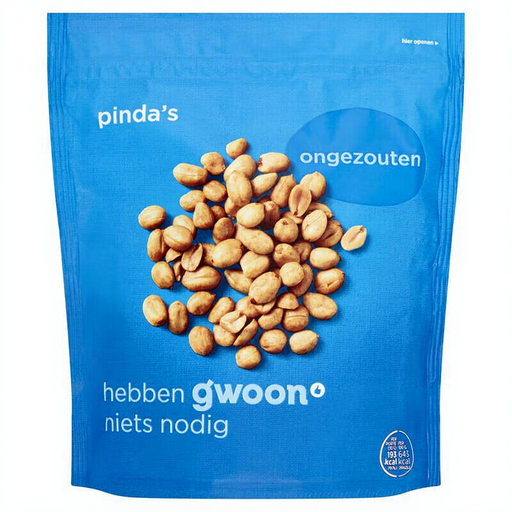
Why this fits the profile: A 250 gram packet is a manageable size for anyone wanting to try a neutral peanut snack or base for recipes.
The ingredients list states 99% peanuts and sunflower oil. The salt content is 0.02 grams per 100 grams, so you can add your own seasoning.
250 grams; 27 grams of protein and 6.4 grams of fibre per 100 grams according to the product information.
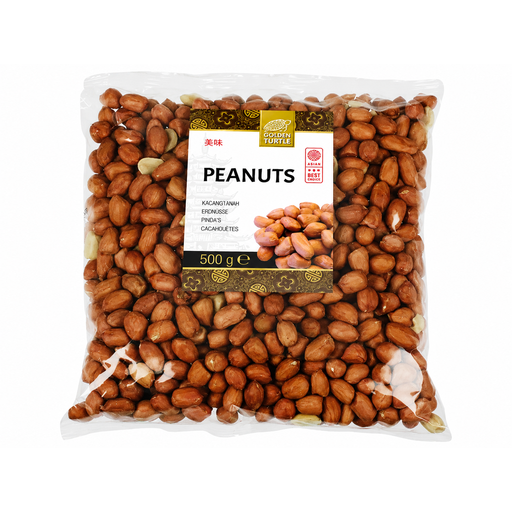
Why this fits the profile: The raw peanuts with skin give you the freedom to prepare them your own way, from roasting to using in Asian dishes.
No spices, sugar or oil are listed: the ingredients list simply states peanuts. This means you control the preparation and the amount of salt.
500 grams; suitable for roasting, sauces, curries, noodles, salads and baking recipes.
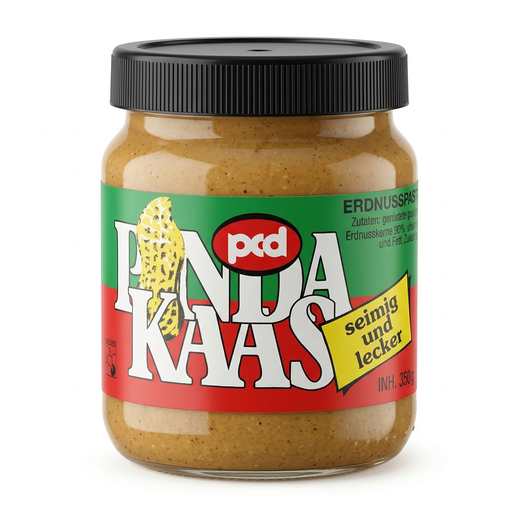
Why this fits the profile: Handy for anyone who doesn't just snack on peanuts but also uses them in smoothies, bakes, dressings or peanut sauce.
The product information states 100% peanuts, with no added sugar, salt, hydrogenated oil or preservatives.
350 grams; 26 grams of protein and 9 grams of fibre per 100 grams according to the label; suitable for both sweet and savoury applications.
We've put together a full, up-to-date list of products that fully meet these strict selection criteria and comply with current European safety regulations.
For satay sauce, curry, noodles and stir-fries, raw peanuts or unsalted roasted peanuts offer the most flexibility. You can roast them yourself and control the quantity. Golden Turtle Raw Peanuts with Skin is a suitable option here, according to the suggested uses listed. With seasoned Asian-style peanuts, check the ingredients for soya, wheat and celery.
The shelf life depends on the product type, packaging and storage conditions. Store peanuts in a dry, cool place and keep them well sealed. Always check the date and instructions on the packet. Discard the product if you notice an unusual smell, taste, mould or any clear signs of rancidity.
No. According to the label, 100% peanut butter contains only peanuts, whereas other varieties may contain salt, sugar or oil, for example. Check the ingredients list if you want to control the flavour and any additions yourself.
