
Vandaag of morgen in huis

Kwaliteit gegarandeerd

Welkomstaanbiedingen ontgrendelen: GRATIS bezorging | Tot 80% korting | Gratis 30 dagen JoyPlus-proefperiode
Download de app
Buying peanuts might seem straightforward – until you have to choose between salted peanuts, roasted peanuts, cocktail nuts, spiced peanuts and peanuts in their shells. Packaging often focuses on flavour, size or a traditional preparation method. The information that matters most before you buy is usually printed smaller on the label.
So pay particular attention to three things: the ingredients list, the nutritional values and the pack format. That way, you’ll avoid buying a large bag that doesn’t suit how you’ll use it, or picking a snack with allergens and additives you hadn’t accounted for.
A product labelled “roasted”, “spicy” or “cocktail” can contain flour, starch, sugar, oil, flavourings and spices alongside the peanuts themselves. That’s not automatically a problem, but it does affect the taste, nutritional values and whether it fits your diet.
So compare the ingredients. A bag of salted peanuts, for example, might consist largely of peanuts with just sunflower oil and salt. Coated cocktail nuts often have an extra layer and therefore contain relatively more carbohydrates.
500 g of peanuts is handy for a party, a large household or regular use. For occasional snacking, however, a 250 g pack of peanuts can be more practical. An opened bag gradually loses its crunch, especially if it isn’t sealed properly.
So think about how much you’ll actually use. A smaller pack reduces waste and makes it easier to portion out. A larger bag only makes sense if you’ll use the contents within a reasonable time.
The flavour of spiced peanuts varies a lot from product to product. Some varieties use only pepper and chilli, while others also contain sugar, soy sauce, flavour enhancers or a coating. With spicy peanuts, it’s wise to check the ingredients and salt content before you order.
Also watch out for allergens. Peanuts themselves are an EU-listed allergen. Other products may also contain milk, soya, wheat, gluten, celery or other nuts. Always check the current label, especially if you’re buying for guests.
For a simple snack, you can choose products with a short ingredients list. G’woon Salted Peanuts contains 99% peanuts, sunflower oil and 0.7% salt, according to the product information. With a coated variety, the peanut is often a smaller part of the product. Duyvis Cocktail Nuts, for example, contains 50% peanuts and a crispy coating made with starch, sugar and flavourings.
Roasted peanuts can be dry-roasted or prepared with oil. So don’t just look at the product name – check the ingredients list and preparation method too.
Use the values per 100 g to compare different packs fairly. Pay particular attention to:
These are comparison figures, not personal dietary advice. The serving size on the pack can help you decide more consciously how much to serve.
Check whether the bag is resealable and store the peanuts as stated on the label: cool, dry and away from direct sunlight. Seal the pack well after opening to limit moisture and flavour loss. Don’t use the product if the packaging is damaged.
Peanuts in their shells also offer a different experience from shelled peanuts. They’re good for relaxed snacking and add an extra step at the table, but they’re less practical for quick use in salads or dishes.
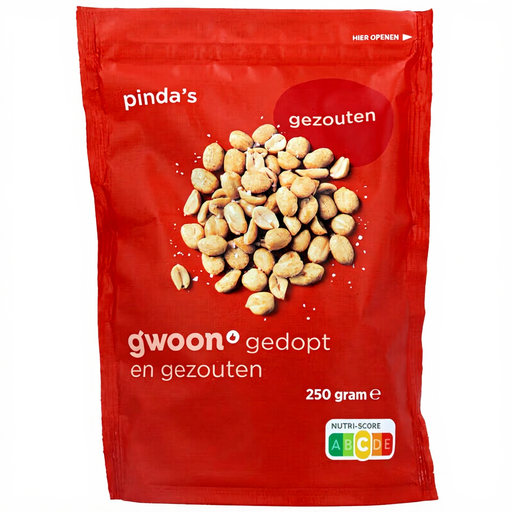
Why this fits the profile: A straightforward pack for anyone who wants to try plain salted peanuts without buying a large quantity straight away.
The ingredients list is short: 99% peanuts, sunflower oil and 0.7% salt. So you can see at a glance what you’re buying.
250 g, 50 g fat and 0.7 g salt per 100 g according to the product information. Suitable for snacking or a sharing platter.
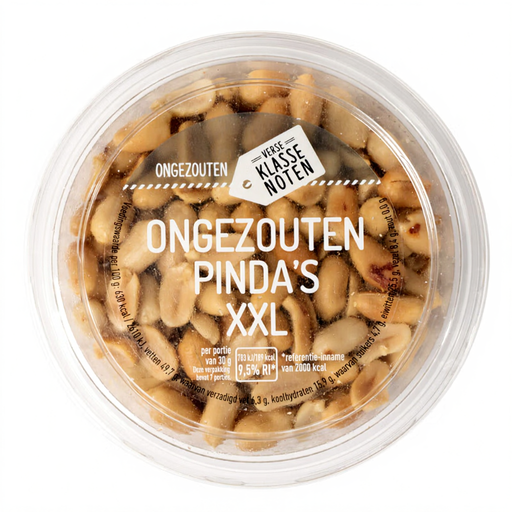
Why this fits the profile: For those who care about size, a dry preparation method and a neutral flavour with no added salt.
The product information states 100% peanuts and 0.02 g salt per 100 g. So there’s no coating or elaborate spice mix.
Extra large size, roasted and unsalted. Per 100 g, 26 g protein and 8.5 g fibre are listed.
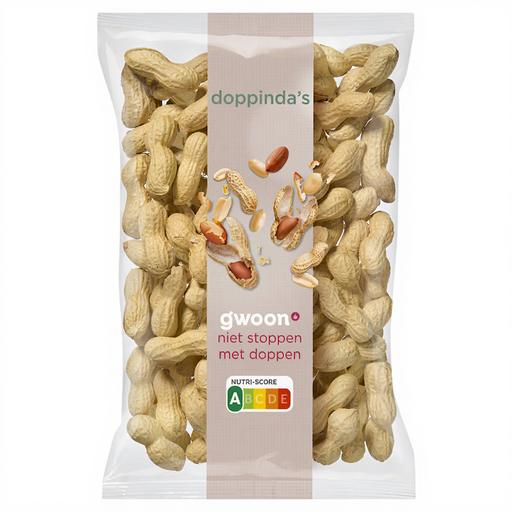
Why this fits the profile: For drinks parties, larger households and fans of peanuts in their shells who like to take their time snacking.
These are peanuts in their shells with no flavour coating. So you’re not buying a hidden layer of sugar, flour or extra spices.
500 g pack, peanuts only according to the listed ingredients, and suitable for use in snacks or dishes.
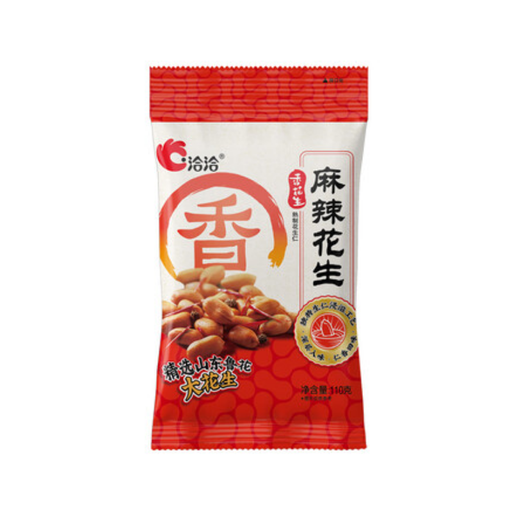
Why this fits the profile: A small pack for anyone who wants to serve spicy peanuts with chilli and Sichuan pepper alongside a drink or at a party.
The product information lists the flavourings explicitly: chilli and Sichuan pepper. Soya is also stated, so you can check allergens in advance.
110 g, ready to eat and 1.4 g salt per 100 g according to the nutritional information provided.
We’ve put together a full, up-to-date list of products that fully meet these strict selection criteria and comply with current European safety regulations.
Salted peanuts and cocktail nuts are practical choices for a classic drinks party. If you want to offer different flavours, combine a neutral salted variety with spiced peanuts or a spicy option. When catering for mixed groups, check the allergens on each label beforehand.
That depends on the packaging, moisture and storage temperature. Seal an opened bag well and store it in a cool, dry place away from heat and sunlight. Always follow the best-before information on the pack. If the smell, taste or texture seems off, it’s best not to use the product.
A 500 g pack can be handy if you often serve peanuts as a snack or buy them for several people. 250 g peanuts are more practical if you use them less often. Compare not just the total price, but also the price per 100 g and the amount you’ll actually use.
