
Evening snackers keeping an eye on portions
You want peanuts to enjoy during a snack night and would like to know how many calories your bowl adds. Compare the details on the exact pack per 100 g, then work out the amount for your own portion.


If you want to eat fewer calories during a snack night, compare the kcal per 100 g and calculate the amount for the weight you actually serve yourself. Unsalted or roasted peanuts are not automatically low in calories: according to the European Commission, the ‘low energy’ claim can only be used for solid foods containing no more than 40 kcal per 100 g. The peanuts and coated varieties examined here are well above that limit, so portion size and flavour are the practical factors to consider.
You want peanuts to enjoy during a snack night and would like to know how many calories your bowl adds. Compare the details on the exact pack per 100 g, then work out the amount for your own portion.
You want to keep the peanut flavour while paying particular attention to salt. An unsalted variety may suit your preference, but it is not automatically low in calories.
You’re looking for a crispy coating and a bold savoury flavour. Check the flavour variety, ingredients and portion details on the pack rather than relying on the product name alone.
A good fit if: keeping salt low matters more to you than having a salty flavour.
The trade-off: the varieties examined range from 614 to 625 kcal per 100 g; the differences are small for a 25 g portion. This limited selection is not a comparison of every variety available in shops.
A good fit if: you want the salty taste of peanuts and can weigh your portion.
The trade-off: the AH salted and unsalted varieties examined list 620 kcal per 100 g, although their salt levels differ.
A good fit if: a seasoned flavour and crispy coating are what you’re looking for.
The trade-off: flavour and ingredients vary by variety. Duyvis describes Oriental as peanuts with a crispy coating and curry flavour; check the label on the exact pack.
| What to consider | What should you check? | Who is this important for? |
|---|---|---|
| Calories per portion | Compare kcal per 100 g and weigh the portion you plan to eat. The calculation is: kcal per 100 g × portion weight ÷ 100. | If I want to know what my bowl adds, I look at the weight I actually serve myself; around 50% of consumers say calories per portion are their main consideration. |
| Salt | Check the salt content per 100 g and the ingredients list. Consider kcal separately. | If I mainly want to cut down on salt, I check the label without assuming that the calories will be lower too; around 30% of consumers say salt is their top priority. |
| Flavour and product type | Check whether they are plain peanuts or a coated variety, and read the ingredients and allergen information. | If I’m looking for a seasoned, crispy savoury snack, I want to know exactly what’s in the variety I choose; around 20% of consumers put flavour and crunch first. |
The ‘low energy’ claim for solid foods is assessed per 100 g, not on the basis of a small bowl you choose to serve yourself.
It’s better to calculate the calories in your weighed portion. Only rely on the claim when the exact variety meets the requirements.
A lower figure per portion doesn’t tell you much if the portions don’t weigh the same.
First compare the same weight, then calculate the amount for the quantity you plan to eat.
Salt and energy are separate nutritional values. A lower salt content doesn’t automatically mean fewer calories.
Check both kcal and salt per 100 g, then choose based on what matters most to you.
On 20 May 2026, Albert Heijn issued a warning about AH Pinda’s extra groot gezouten in a tub with a best-before date of 04-11-2026; the warning applies to the affected batch.
Check the product name, packaging and best-before date together. Don’t eat the affected batch, and don’t automatically apply the warning to other varieties.
Relevant examples include unsalted peanuts and coated savoury snacks.
The official product pages include details of unsalted and salted peanuts.
One confirmed option is Jumbo Ongezouten Kingsize Pinda’s, in a 350 g pack.
The Dutch product page confirms unsalted peanuts as an option for this shopping choice.
The Dutch product page lists TRADER JOE’S Pinda’s geroosterd en ongezouten, 250 g.
One relevant option is PLUS Pinda’s ongezouten in a 250 g pack.
This selection at Joybuy includes salted peanuts and seasoned or coated varieties. Compare the nutritional values per 100 g, and consider salt, ingredients and allergens when choosing.
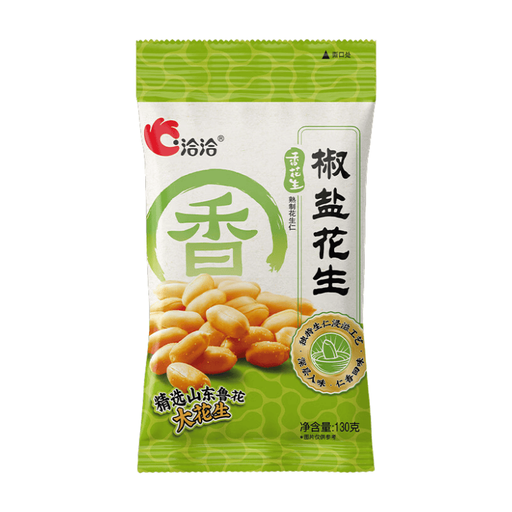 No image available
A seasoned snack to serve in a weighed portion when salt and flavour are part of your decision.
The nutritional information lists 603 kcal and 1.5 g of salt per 100 g. The description mentions Sichuan pepper. Contains peanuts.
 No image available
A crispy-coated variety for anyone looking for a seasoned savoury snack.
The nutrition table lists 542 kcal and 1.3 g of salt per 100 g. Contains peanuts and wheat (gluten); the description notes that it may contain traces of milk, nuts, soya and mustard.
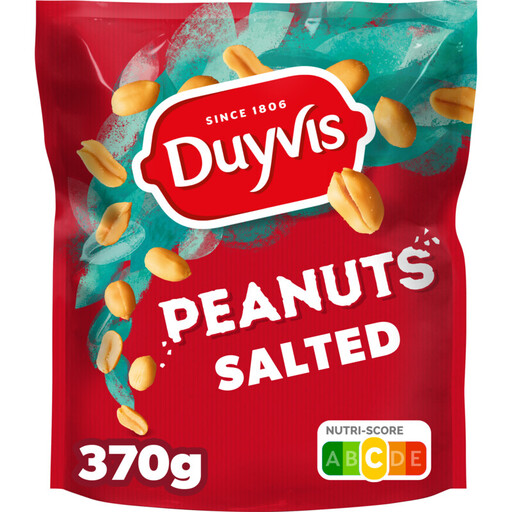 No image available
An option if you’re looking for plain salted peanuts and want to weigh your own portion.
The nutrition table lists 613 kcal and 0.73 g of salt per 100 g. Contains peanuts and may contain other nuts. Not recommended for children under 5 because of the risk of choking.
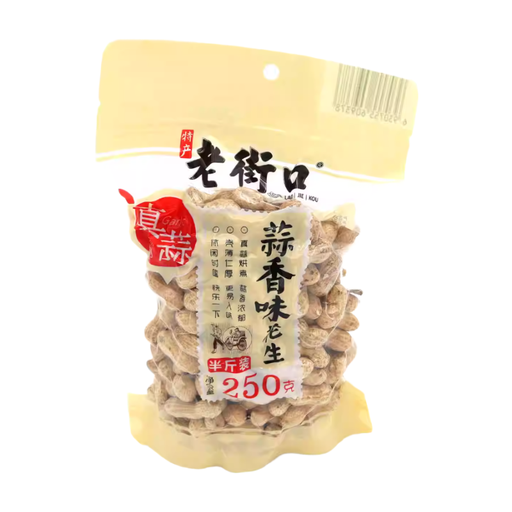 No image available
A seasoned option if you’re looking for a savoury snack with a garlic flavour.
The nutrition table lists 540.2 kcal and 2.55 g of salt per 100 g. Contains peanuts.
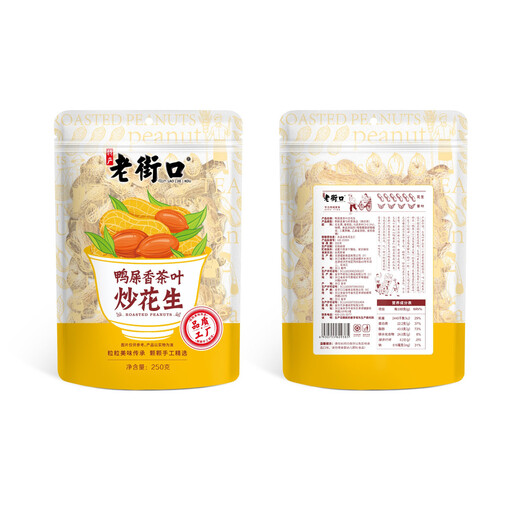 No image available
A roasted variety for anyone looking for a snack with a tea aroma.
The nutrition table lists 584 kcal and 1.37 g of salt per 100 g. Contains peanuts.
Not just because you’re serving a small portion. According to the European Commission, the ‘low energy’ claim for solid foods is limited to a maximum of 40 kcal per 100 g; the unsalted varieties examined are above that limit.
Multiply the kcal per 100 g by the number of grams you want to eat, then divide by 100. For example, 20 g of AH unsalted peanuts containing 620 kcal per 100 g works out at 124 kcal. This is a calculation example, not personal dietary advice.
Read the allergen information on the exact pack before serving. The NVWA states that allergens must be clearly shown on the label. Don’t assume a product is suitable for someone with a peanut allergy just because it is unsalted or roasted.
Not without taking the product warning into account. The AH, Jumbo and PLUS product pages examined warn that young children can choke on peanuts, so a snack for adults is not automatically suitable for young children.
On 20 May 2026, Albert Heijn announced a recall of AH Pinda’s extra groot gezouten in a tub with a best-before date of 04-11-2026, due to possible metal fragments. Don’t eat the affected batch; return it to an AH shop for a full refund. According to Albert Heijn, other best-before dates for this product are not included in the recall.