
Vandaag of morgen in huis

Kwaliteit gegarandeerd

Welkomstaanbiedingen ontgrendelen: GRATIS bezorging | Tot 80% korting | Gratis 30 dagen JoyPlus-proefperiode
Download de app
Dry, tight, or even chapped lips are a common discomfort, especially in changeable climates. The search for a good lip balm often leads to an overwhelming selection in stores. But not every balm is equally effective. Many products overpromise and underdeliver, leaving you in a cycle of reapplication with no real results. Before you buy a new lip balm, it's important to understand two common pitfalls.
To find a product that truly works for your dry lips, it's helpful to look at its composition and product type.
Effective lip care contains a combination of the following types of ingredients:
Try to avoid formulas with high concentrations of alcohol, fragrance, and irritants like menthol and camphor, especially if you already have chapped lips.
Not everyone has the same needs. Tailor your choice to your specific situation:
Based on these criteria, we have selected a number of products that suit different user profiles.
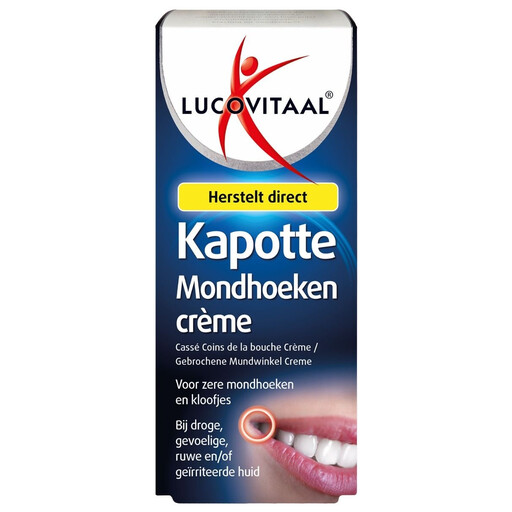
Why This Fits Their Persona: Specifically developed for those suffering from painful cracked mouth corners or extremely dry, chapped lips. This isn't an everyday balm, but a targeted ointment for when your lips need extra help.
This cream avoids the pitfall of irritating ingredients. The formula is fragrance-free and focuses on soothing and restorative substances like Aloe Vera, Shea Butter, and Vitamin E, rather than a temporary tingling effect.
Targeted formula for cracked mouth corners and chapped skin. Forms a protective layer without completely sealing the skin.
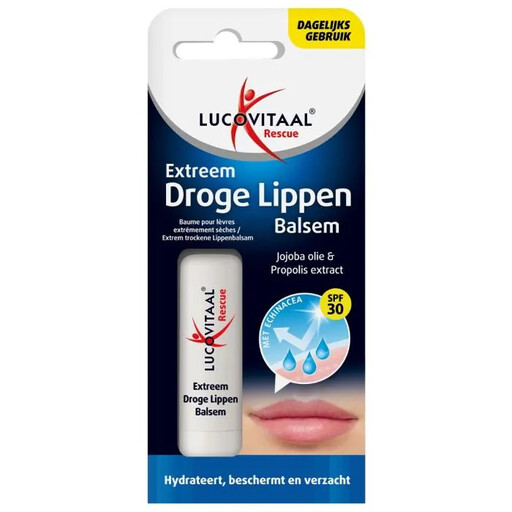
Why This Fits Their Persona: Ideal for anyone who spends a lot of time outdoors, whether for sports, work, or just a walk. This balm offers not only care but also serious sun protection.
Many lip balms have a low SPF or no protection at all. This product addresses that problem with a robust SPF30, which is essential for preventing UV damage and further dehydration.
High sun protection factor (SPF30). Enriched with Jojoba Oil and Propolis extract for extra care and repair.
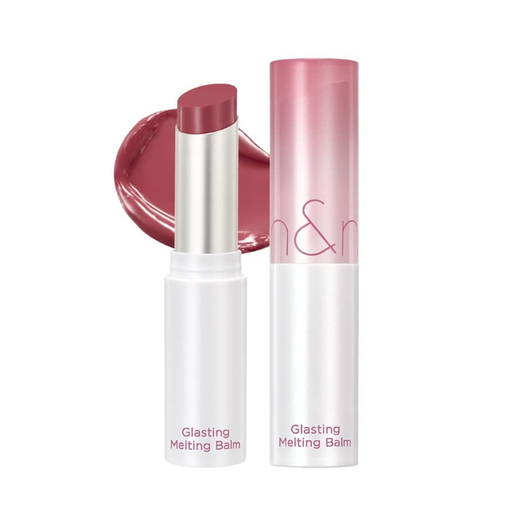
Why This Fits Their Persona: For those who want to combine lip care with a modern, glossy look. This tinted lip balm feels comfortable and provides a subtle colour that is perfect for daily use.
Unlike many lipsticks or glosses that can dry out the lips, this product is a balm at its core. The formula is enriched with nourishing oils and emollients, ensuring the focus remains on hydration, with the colour as an added benefit.
Melting, non-sticky texture. Provides intense hydration with a glossy, coloured finish.
We have compiled a complete, up-to-date list of products that meet these selection criteria and current regulations.
No, your lips cannot become physiologically addicted to lip balm. The feeling of "addiction" often arises from using products with irritating ingredients (like menthol or camphor). These dry out the lips in the long run, causing you to feel the need to reapply constantly. Choosing a gentle, nourishing formula with occlusives and emollients will break this cycle.
For effective protection, a lip balm with SPF should be reapplied regularly, just like sunscreen. A good guideline is to reapply every two hours, and more frequently after eating, drinking, or swimming. Apply a generous layer for the best coverage.
