
Vandaag of morgen in huis

Kwaliteit gegarandeerd

Welkomstaanbiedingen ontgrendelen: GRATIS bezorging | Tot 80% korting | Gratis 30 dagen JoyPlus-proefperiode
Download de app
Dry lips feel tight, can crack, and often need repeated application. Yet not every lip balm is the same. A glossy stick may give mainly a cosmetic effect, while a balm with an occlusive base actually helps to keep moisture on the lips for longer. Scent, colour, SPF and the packaging also determine whether a product is pleasant for daily use.
So don't just look at words like “intensive”, “restorative” or “natural”. Check the ingredients list, the protection factor and the method of application. That way, you avoid buying a product that looks nice but doesn't suit your needs.
A lip balm with gloss can make lips look smoother instantly. That doesn't automatically mean the product is suitable for very dry or chapped lips. Look at ingredients such as petrolatum, waxes, shea butter and plant oils. According to the product description, these can help to soften lips or form a protective layer.
A standard moisturising lip balm doesn't automatically protect against UV radiation. If there's no SPF factor on the packaging, don't assume it offers sun protection. The Laneige Lip Glowy Balm Berry, for example, explicitly states SPF 0. For walking, cycling or a sunny holiday, a lip balm with SPF15, such as Labello Med Repair Protect+ SPF15, is a more sensible choice.
Fragrance, aroma and colourants aren't pleasant for everyone. If you tend to react to scented products, it's wise to check the full INCI list. A tinted lip balm is handy if you want to combine colour with care, but the colour intensity and shine can vary between shades.
For a lip balm for dry lips, texture is important. A thicker balm with petrolatum or wax can form an occlusive layer. A formula with shea butter, cocoa butter or oils often feels more nourishing. A gel-like or lightweight formula is easier to use during the day, but may need to be reapplied more often.
Look out for these points:
Choose a lip balm with SPF when you're regularly outdoors. Check the SPF factor and follow the usage instructions on the packaging. Labello Med Repair Protect+ SPF15 states protection against UVA and UVB rays and advises reapplication, especially before sun exposure or in harsh weather.
A tinted lip balm is suitable when you want a subtle colour without a full lipstick effect. For a glossy look, Laneige Lip Glowy Balm and rom&nd Glasting Melting Lip Balm are possible choices. The rom&nd shades differ clearly per tint: Walnut Brew is a warm brown colour, while Kaya Fig and Covered Rose give more colour accent.
Also check whether the colour is buildable. That makes a product suitable for both a natural daytime look and a more intense colour in the evening.
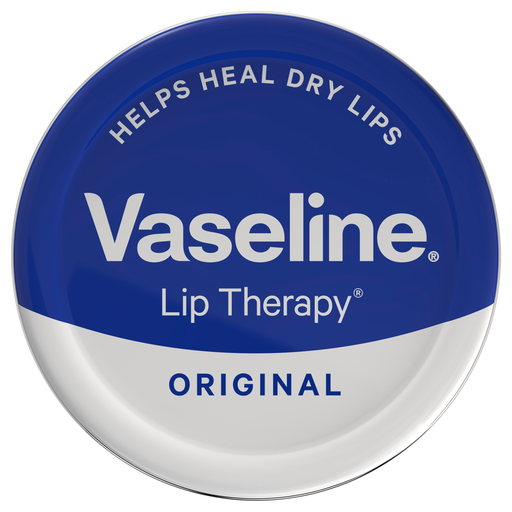
Why this fits the profile: The simple formula with petrolatum is straightforward, and the 20g packaging is suitable for regular use at home.
The product information mentions no colour or SPF, so its function remains clear: simple lip care with an occlusive base.
20 g content, tin packaging and petrolatum as the stated main ingredient.
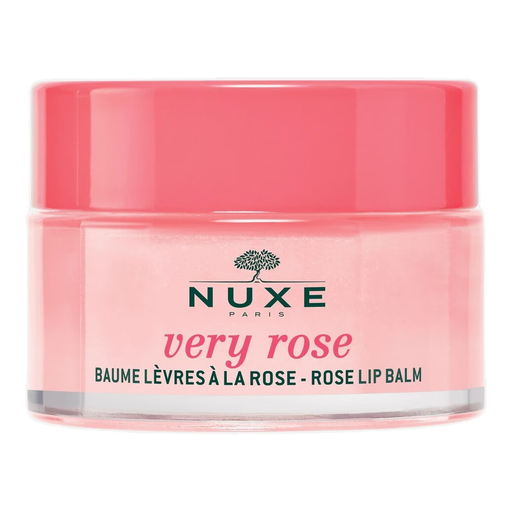
Why this fits the profile: The balm combines sunflower oil, shea butter, beeswax and jojoba oil with a light pink shimmer.
The description mentions a non-sticky finish and clearly lists the ingredients. Do bear in mind it contains fragrance.
100% ingredients of natural origin according to the product description; suitable for use as an overnight mask.
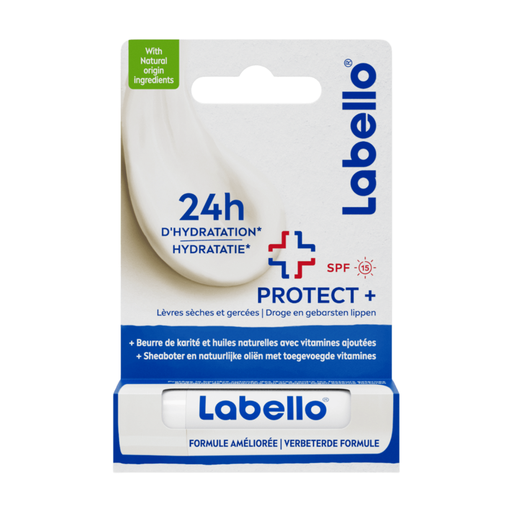
Why this fits the profile: This stick is practical for bike rides, walks and daily outdoor use thanks to its stated SPF15.
The SPF factor is clearly stated. This prevents you from using a standard nourishing balm when UV protection is needed.
SPF15, shea butter, panthenol and a stick format for quick reapplication.
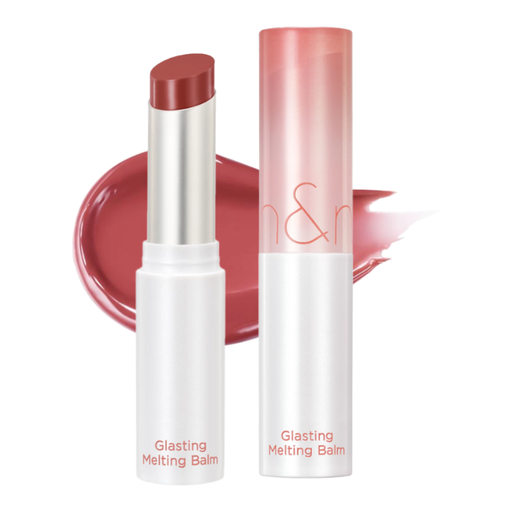
Why this fits the profile: The vegan formula combines a transparent gloss with a fig-coloured tint and plant oils.
The tint, vegan claim and ingredients such as jojoba, almond and apricot oil are stated in the product information. No SPF is indicated.
Vegan according to the product description, buildable colour and glossy finish.
We've put together a full, up-to-date list of products that fully meet these strict selection criteria and comply with current European safety regulations.
Apply a nourishing lip balm when your lips feel dry or tight. With a stick, one even layer is usually enough; a balm from a tin can be applied with clean fingers. Reapply outdoors according to the instructions on the packaging, especially after eating, drinking or when you're in the sun a lot.
If a product stings, causes itching or redness, it's best to stop using it. If you have sensitive skin, check the ingredients and discontinue use if irritation occurs. Lip balm is intended for external use only; always follow the manufacturer's safety information.
That depends on the formula and your circumstances. A light balm may need to be applied more often than a thicker balm with petrolatum or wax. Apply when your lips feel dry and, for SPF products, follow the instructions on the packaging.
Check the expiry date, batch number and the symbol for period after opening on the packaging. Some products, for example, state a period of 12 months after opening. Store the balm in a cool, dry place away from direct sunlight and heat.
No. “Vegan” says something about the origin and composition of ingredients, but not automatically about fragrances, colourants or personal tolerance. Always check the full ingredients list and choose an unscented formula if you generally react better to those.
