
Vandaag of morgen in huis

Kwaliteit gegarandeerd

Welkomstaanbiedingen ontgrendelen: GRATIS bezorging | Tot 80% korting | Gratis 30 dagen JoyPlus-proefperiode
Download de app
Dry, sore or chapped lips don’t automatically call for an expensive product. The difference often comes down to the combination of ingredients, protection and ease of use. A lip balm that feels pleasant but wears off quickly may be less practical than a simple formula that leaves a protective layer behind.
When shopping, don’t focus only on claims such as “intensive”, “natural” or “24-hour hydration”. They only tell you so much unless you also check the ingredients, SPF and directions for use.
A lip balm may contain water-binding ingredients such as glycerine or certain amino acids. Other formulas mainly create a barrier on the lips, for example with petrolatum, waxes or oils. Both functions can be useful, but they’re not the same.
A moisturising lip balm can feel comfortable when your lips feel tight. A more occlusive balm can be useful in windy or cold weather, or when the indoor air is dry, as it helps lock in moisture.
A product described as a lip balm with SPF15 may offer extra protection from UV radiation, according to the product description. However, protection also depends on applying enough and reapplying regularly. Check whether UVA and UVB protection are explicitly mentioned. A regular lip balm without SPF isn’t automatically suitable for sunny days.
Marketing terms are no substitute for checking the ingredients list. A vegan lip balm may still contain fragrance. A product for sensitive lips may nevertheless cause a reaction in some people. Check whether the formula is fragrance-free and consider any ingredients you know you’re sensitive to.
If you experience irritation, redness or itching, it’s best to stop using the product. Apply lip care only as directed on the packaging.
Common ingredients in lip balm for dry lips include shea butter, glycerine, squalane, oils and petrolatum. They each have different functions:
If you like a glossy finish, you could choose a formula with petrolatum or shine-enhancing oils. For daytime use, a lightweight, non-greasy texture may be more practical.
Use a lip balm with SPF when you’ll be outdoors for a long time, for example while cycling, walking or spending a day by the water. Labello Med Repair Protect+ SPF15 lists protection against UVA and UVB radiation and recommends reapplying for continued protection. This information comes from the product description; actual protection depends on how you apply it and the conditions.
An SPF product doesn’t replace general sun-safety measures. Also check the shelf-life information and avoid storing the balm for long periods somewhere warm and sunny.
A stick is hygienic and easy to use on the go. A tin may contain more product, but you’ll need clean hands to apply it. A tube is handy for precise application and slips easily into a bag.
Check the amount too: 7 grams, 15 grams and 20 grams may seem similar, but they differ in how long they’ll last and in price per gram. So compare not just the price of the pack, but also how much product it contains.
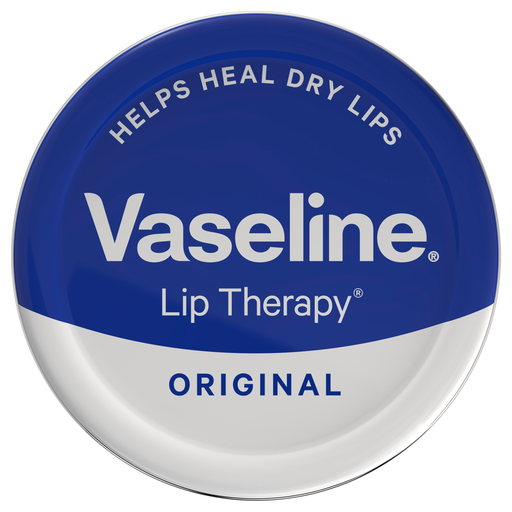
Why it suits this profile: A simple formula with one listed ingredient and compact packaging makes this a straightforward option for everyday use.
The product information lists petrolatum as an ingredient, without a long list of active ingredients that can be difficult to compare.
20 g, a non-sticky texture according to the product description, and a tin that’s convenient to use on the go.
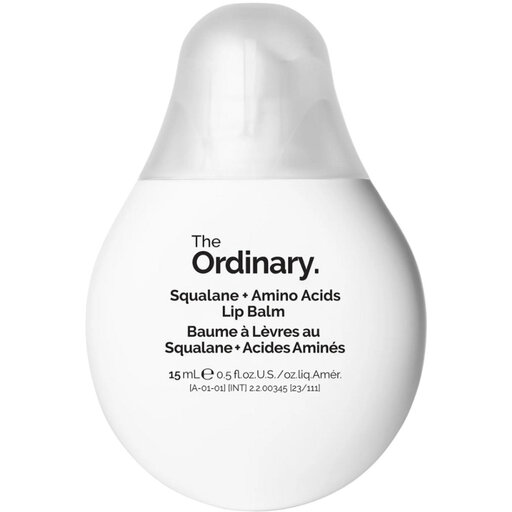
Why it suits this profile: A good choice if you care about ingredients and texture and are looking for a fragrance-free formula for everyday lip care.
The product description specifically mentions squalane, amino acids, a vegan formula and no fragrance. Check the current packaging for the full ingredients list.
15 ml, a lightweight, non-greasy texture according to the product information, and stated to be suitable for all skin types.
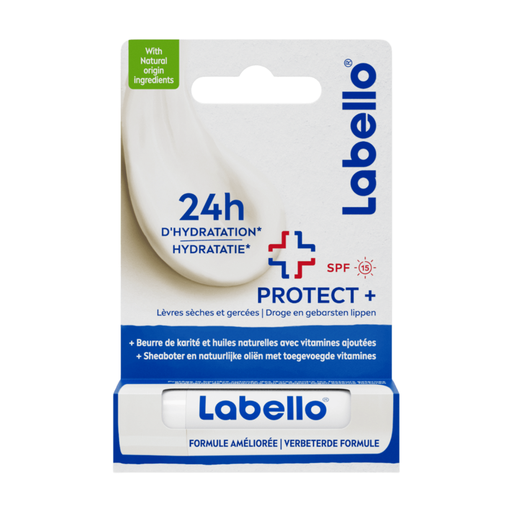
Why it suits this profile: A practical choice if you want to combine lip care with SPF15 during outdoor activities or in cold, windy weather.
The product description lists SPF15 and protection against UVA and UVB radiation, making the sun protection factor easy to check.
SPF15, shea butter, natural oils and a stick format for quick reapplication.
A tinted lip balm such as Vaseline Rosy Lip Chapsticks is designed for anyone who wants to combine care with a subtle hint of colour. Bear in mind that tint and shine are cosmetic features; they don’t automatically indicate how hydrating a product is.
If you’re looking for vegan lip care, check the current product information and packaging. The product description for The Ordinary states that its formula is vegan and fragrance-free. Brand or retailer claims can change, so always check the label before ordering.
For very sensitive lips, a fragrance-free formula may be a sensible first choice. Also avoid products containing ingredients you already know you react to. If symptoms persist or you have sores, it’s more appropriate to seek advice from a doctor or pharmacist than to keep trying different balms.
We’ve put together a complete, up-to-date list of products that meet these strict selection criteria and the applicable European safety regulations.
Apply lip balm whenever your lips feel dry or tight. If you’re using a product with SPF, it’s important to reapply, especially after eating, drinking or spending a long time outdoors. Follow the directions on the packaging.
The shelf life is shown on the packaging. Store the balm in a cool, dry place, away from direct sunlight and high temperatures. Throw it away if its smell, colour or texture changes noticeably, or if using it causes irritation.
Vaseline Lip Therapy is based on petrolatum. According to the product description, this formula helps lock in moisture and care for dry, dull and chapped lips. The product is for external use only. Check the ingredients and stop using it if irritation occurs.
