
Vandaag of morgen in huis

Kwaliteit gegarandeerd

Welkomstaanbiedingen ontgrendelen: GRATIS bezorging | Tot 80% korting | Gratis 30 dagen JoyPlus-proefperiode
Download de app
Dry, tight, or even chapped lips are a common discomfort, especially in ever-changing weather. The solution seems simple: a lip balm. But the shelves are packed with products making all sorts of promises. It's easy to spend money on a balm that only makes the problem worse in the long run. As a Product Recommendation Officer at Joybuy, I'm here to help you see through the marketing jargon and make a choice that truly works for your lips.
Before you add a new lip balm to your cart, it's wise to consider a few common pitfalls:
To avoid a bad purchase, it's helpful to pay attention to the function of the ingredients. An effective hydrating lip balm often combines two types of components.
Occlusives: the protective barrier. These are ingredients that form a barrier on your lips. They seal in moisture and protect against external elements like wind and cold air. Examples include Petrolatum (the base of Vaseline lip therapy), beeswax (Cera Alba), shea butter (Butyrospermum Parkii Butter), and various oils. They are essential for repairing chapped lips.
Humectants: the moisture magnets. These ingredients attract moisture from the deeper layers of the skin and the environment to hydrate your lips. Think of glycerin and hyaluronic acid. A balm containing only humectants without an occlusive layer can actually draw moisture out of your lips if the air is very dry.
A good balance is therefore crucial. Check the ingredients list for a combination of protective and hydrating substances.
Not everyone has the same lips or preferences. Below are a few popular choices, tailored to specific needs.
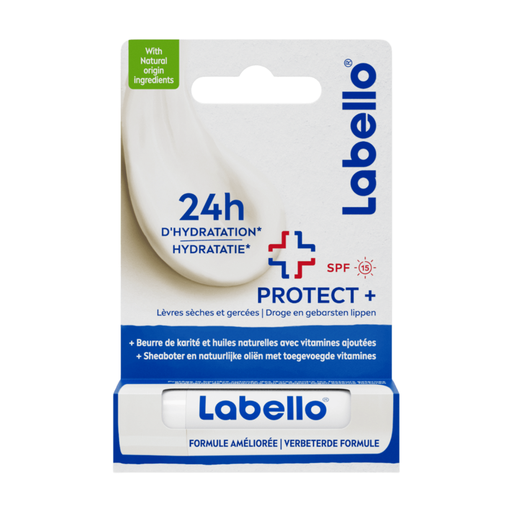
Why This Fits Their Persona: Ideal for anyone seeking a reliable, affordable, and functional lip balm for daily use. No fuss—just effective care and protection in one convenient stick.
This product tackles the pitfall of forgotten sun protection with SPF 15. The formula focuses on repair with shea butter and natural oils, avoiding irritating ingredients that perpetuate the cycle of dryness.
Combines hydration, repair for chapped lips, and protection against UVA/UVB rays. The formula is clinically tested and free of mineral oils.
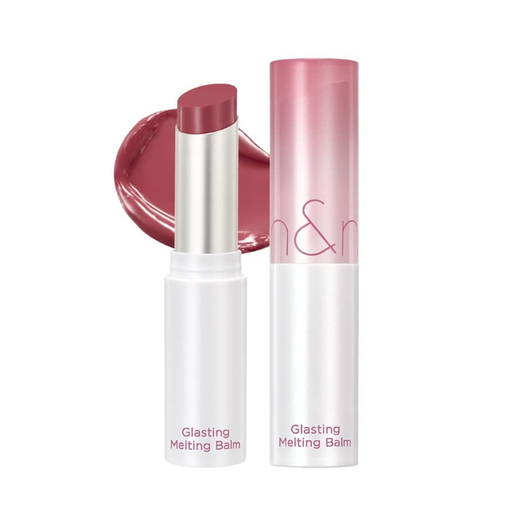
Why This Fits Their Persona: Perfect for those who want to combine the care of a balm with the shine and colour of a lip gloss. This tinted lip balm from the world of K-beauty offers hydration with a modern, stylish finish.
This is more than just a hint of colour. The "melting" texture is enriched with nourishing oils. The product delivers genuine hydration and isn't a drying lipstick masquerading as a balm.
Provides a watery, high-shine finish without feeling sticky. The colour is buildable, and the formula keeps lips soft and hydrated all day long.
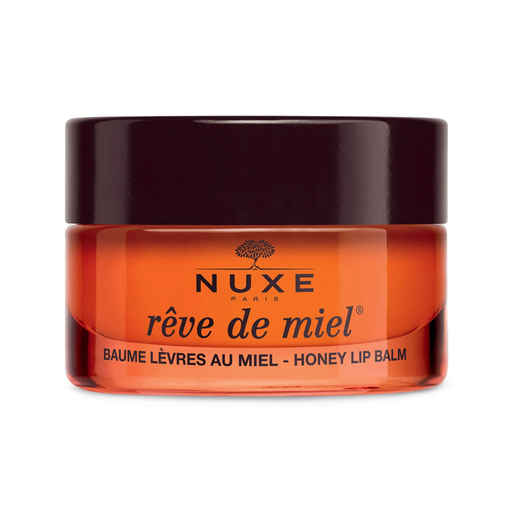
Why This Fits Their Persona: For those who prefer rich, nourishing formulas with a high percentage of naturally derived ingredients. A great choice for very dry lips in need of intensive care.
This product bypasses the 'fake-natural' trap. According to Nuxe, 90% of its ingredients are of natural origin. The formula is concentrated with honey and precious botanical oils for deep nourishment, not just superficial marketing.
A rich, melting texture that nourishes, repairs, and soothes even the driest lips. The balm can also be used as an overnight mask for an intensive treatment.
We have compiled a complete, up-to-date list of products that fully meet these strict selection criteria and local regulations.
No, your lips cannot become physiologically addicted. The feeling of 'addiction' often arises when a lip balm contains irritating substances, such as camphor or menthol. These ingredients can disrupt the skin barrier, leading to a vicious cycle of dryness and reapplication. By choosing a balm with nourishing and protective (occlusive) ingredients like shea butter, cocoa butter, or petrolatum, you help restore the skin barrier and break this cycle.
Treat your lip balm with SPF just like sunscreen for your face. Reapply it every two hours if you're spending a lot of time outdoors, and more frequently after eating, drinking, or swimming. For a normal day at the office, applying it a few times a day is usually sufficient to maintain protection.
The choice mainly depends on personal preference and convenience.
