
Vandaag of morgen in huis

Kwaliteit gegarandeerd

Welkomstaanbiedingen ontgrendelen: GRATIS bezorging | Tot 80% korting | Gratis 30 dagen JoyPlus-proefperiode
Download de app
A good hair mask can be the difference between dull, lifeless hair and a healthy, lustrous mane. But the market is saturated with products that promise miracles. Many of these promises lead to disappointment and unnecessary spending. As a Product Recommendation Officer at Joybuy, I filter through the noise and help you avoid the pitfalls, so you can choose a product that actually meets your hair's needs.
Before you make a purchase, it's crucial to recognise the marketing hype. These are the three most common missteps:
To avoid a bad purchase, focus on the specifications that truly matter. Pay attention to the following two points when comparing products.
Not all hair problems are the same, so the solutions shouldn't be either. It's crucial to know the difference between repairing and nourishing formulas.
Silicones are not inherently bad, but it's important to know which type is in your product. Heavy, non-water-soluble silicones can cause build-up, weighing the hair down and preventing nourishing ingredients from penetrating. For fine hair, a silicone-free formula or one with light, water-soluble silicones is often a better choice.
Also, consider how the product fits into your routine.
Below are some popular choices, matched with specific user profiles and hair concerns.
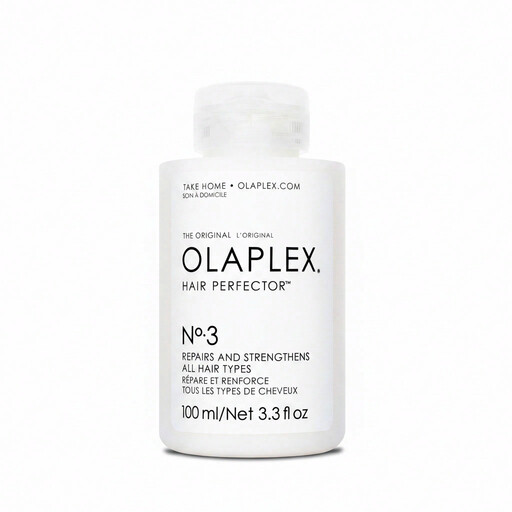
Why This Fits Their Persona: This is for the person with hair damaged by bleaching, colouring, or frequent heat styling. They are looking for a solution that addresses the core of the problem and are willing to invest in proven technology.
This is not a superficial mask, but a pre-shampoo hair repair treatment. It tackles the "one-size-fits-all" pitfall by specifically targeting the repair of broken disulfide bonds with its patented active ingredient.
Works on a molecular level to strengthen the hair structure from within. Makes hair noticeably stronger and more resilient against future damage.
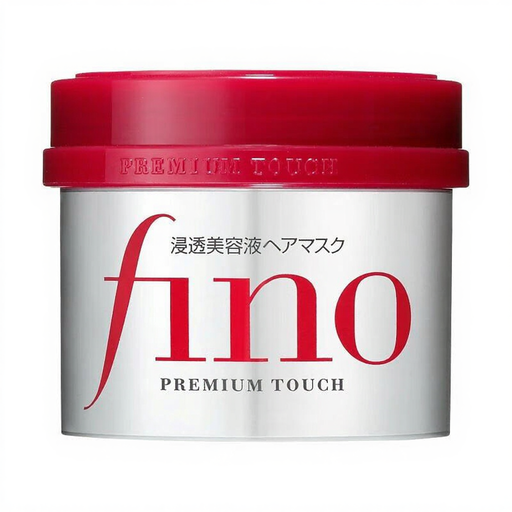
Why This Fits Their Persona: For those seeking an immediately tangible and visible result. This profile wants smooth, soft, and frizz-free hair without a complicated routine. A reliable and effective mask for dry hair is the priority.
This mask doesn't rely on a single "miracle ingredient." The formula contains seven different nourishing essences that work together to hydrate and smooth the hair, providing a more complete approach than many competitors.
Delivers an intensive hydration boost that leaves hair instantly soft and shiny. It's a cult favourite due to its reliable and fast-acting results.
We have compiled a complete, up-to-date list of products that fully meet these strict selection criteria and local regulations.
This depends on the condition of your hair and the type of mask. For severely damaged hair, a repairing treatment like Olaplex No.3 can be used once or twice a week. For general hydration in dry hair, a nourishing mask once a week is usually sufficient. Always read the instructions on the packaging.
A conditioner is intended for daily use after shampooing. It seals the hair cuticles and makes the hair easy to comb. A hair mask has a higher concentration of active ingredients that penetrate deeper into the hair shaft to provide intensive nourishment or repair. You also typically leave it in for longer.
That depends on the product. Some treatments, particularly pre-shampoo treatments, are designed for use on (towel-)dry hair. However, most traditional masks work best on clean, washed hair, as the hair cuticles are open, allowing the product to be absorbed more effectively. Always check the label for the correct instructions.
