
Vandaag of morgen in huis

Kwaliteit gegarandeerd

Welkomstaanbiedingen ontgrendelen: GRATIS bezorging | Tot 80% korting | Gratis 30 dagen JoyPlus-proefperiode
Download de app
Dry, coloured or bleached hair can feel rough, tangle more easily and break when you brush it. Bond repair hair products are designed for routines that focus on the strength and appearance of weakened hair. However, an expensive product isn’t automatically right for your hair.
Look out for these three common pitfalls:
First, decide which concern you want to address:
Check the INCI ingredients list on the packaging or product page. Ingredients such as conditioners, silicones, oils, glycerine, panthenol, proteins or patented complexes serve different purposes. A formula containing silicones can make hair feel smoother and help reduce friction. That doesn’t automatically mean internal damage is permanently repaired.
These points are also useful for coloured or bleached hair:
Fine hair often benefits from lightweight formulas and a small amount of conditioner. Thick, curly or highly porous hair may need more conditioning. Unless the packaging says otherwise, apply conditioner, treatment and oil from the mid-lengths to the ends.
Gentle habits also matter for everyday hair care: pat your hair dry carefully, use a wide-toothed comb and limit exposure to high temperatures. This can help reduce breakage without expecting one product to solve every cause.
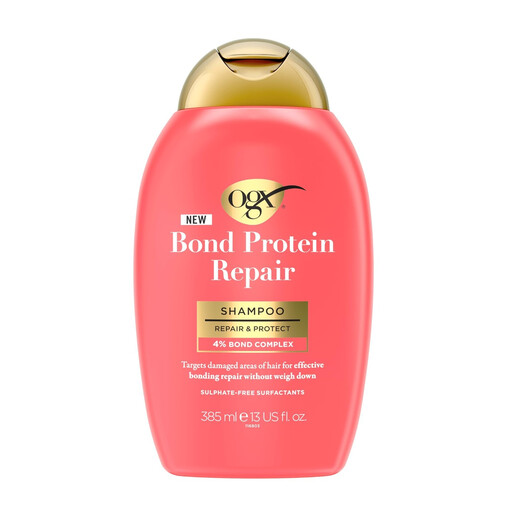
Why it suits this profile: A practical starting point if you’re looking for a shampoo for damaged hair and want to adjust the basics of your routine first. The packaging states that it uses a sulphate-free cleansing system and is designed to be used as part of the OGX Bond Protein Repair range.
The product information clearly sets out the ingredients and order of use. Don’t expect shampoo alone to provide a complete hair repair routine; you could pair it with a conditioner.
385 ml, sulphate-free according to the product description, and designed for dry, brittle or damaged hair.
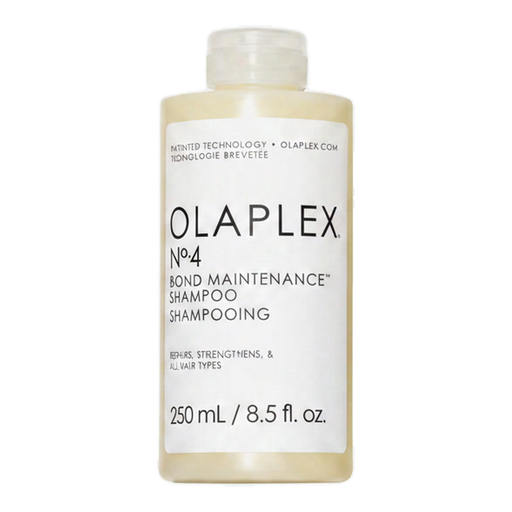
Why it suits this profile: A good fit if you’re looking for a concentrated, sulphate-free shampoo for regular use on coloured hair. According to the ingredients list, the formula contains panthenol and Bis-Aminopropyl Diglycol Dimaleate, among other ingredients.
The instructions recommend using a coin-sized amount and following with conditioner. This helps you avoid using too much shampoo or skipping conditioner.
250 ml, pH-neutral and, according to the product information, vegan, sulphate-free and suitable for coloured hair.
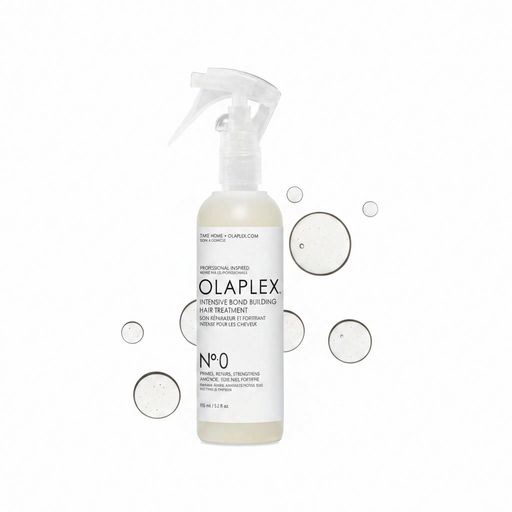
Why it suits this profile: Designed for those looking for an additional treatment for severely damaged lengths. The instructions describe it as the first step when used with No.3, followed by shampoo and conditioner.
The treatment has a clear leave-in time of ten minutes and, according to the product information, shouldn’t be rinsed out straight away. This makes it a more considered routine than using a standard conditioner.
155 ml, designed for use on the mid-lengths and ends and, according to the product information, sulphate-free and vegan.
We’ve put together a complete, up-to-date list of products that meet these strict selection criteria and the applicable European safety regulations.
It depends on the formula and the condition of your hair. You can use a shampoo every time you wash your hair if the packaging says so. Intensive treatments are usually used less often. Follow the product instructions and, if your hair feels stiff or weighed down, consider alternating with a hydrating routine.
They can help hair feel smoother, easier to detangle and better cared for. According to some brands’ own research, specific formulas may reduce hair breakage under test conditions. This isn’t a guarantee for every user. Mechanical stress, heat, chemical treatments and the condition of your ends all remain important factors.
Bond repair focuses on the bonds in the hair fibre in its marketing and product development. Protein hair care uses proteins or hydrolysed proteins that can temporarily make hair feel fuller or stronger. Check the ingredients and choose a combination that suits your hair type. Too much of one type of care can weigh down fine hair or make it feel stiff.
