
Vandaag of morgen in huis

Kwaliteit gegarandeerd

Welkomstaanbiedingen ontgrendelen: GRATIS bezorging | Tot 80% korting | Gratis 30 dagen JoyPlus-proefperiode
Download de app
Dry, brittle or frizzy hair doesn’t automatically call for the most expensive haircare routine. When it comes to hair repair for damaged hair, your choice should depend mainly on the cause of the damage, your hair texture and how often you use the product. If you choose based only on words such as “repair”, “bond building” or “intensive”, you could easily buy a product that’s too heavy, doesn’t condition enough or doesn’t fit your routine.
Damaged hair can’t fully repair itself in the way skin can. A conditioner, hair mask or serum can leave the hair’s surface feeling smoother, reduce friction and make your hair temporarily easier to manage. However, split ends won’t disappear for good without a trim.
So look for verifiable product information: ingredients, how often to use the product, its size, how to apply it and whether it’s suitable for coloured or chemically treated hair. Claims about stronger hair or less breakage come from the brand. For example, Syoss states that some of its products reduce hair breakage, based on its own research; this isn’t a guarantee for everyone.
A shampoo for damaged hair, conditioner for damaged hair, hair mask for dry hair, leave-in product and hair oil can add up to a heavy layer. This can leave fine hair looking limp or greasy. Start with a basic routine and add no more than one extra treatment.
A practical order is:
Silicones aren’t automatically bad. They can help smooth hair, make it easier to comb and reduce frizz. If you want to avoid silicones, check the ingredients list. The same goes for fragrance, proteins and oils. A protein-rich formula can be useful for limp, brittle hair, but it may not feel right for everyone when used frequently.
Also check the warnings on the packaging, such as advice about eye contact, allergens and the recommended period of use after opening.
For dry hair, the focus is often on moisture and softness. Look for ingredients such as glycerine, panthenol, oils and conditioning agents. If your hair has become fragile through colouring, bleaching or heat styling, an intensive hair treatment containing bond-repair ingredients, amino acids or proteins may be a good fit.
That doesn’t mean a product containing one particular ingredient will automatically suit you. The overall formula and how you use it both affect the results.
A rich mask containing dimethicone, oils or butters can feel great on thick, curly or very dry hair. Fine hair often benefits more from a lightweight conditioner, serum or mist. Check the volume and whether the product is intended for daily use or just once or twice a week.
A small pack can be handy for trying a product first. A multipack, such as several bottles of shampoo or conditioner, makes most sense when you already know the formula suits you.
Don’t use styling tools on their highest setting unless you need to, and apply a product with explicit heat protection as directed. Some Olaplex formula descriptions state that they offer heat protection up to around 232 °C. Treat this as a brand claim, and use an appropriate temperature and technique too.
Gently pat your hair dry, use a wide-tooth comb and avoid pulling hard on wet lengths. Products can help, but your everyday haircare habits matter too.

Why it suits this need: A standalone conditioner is an easy way to complement your existing shampoo. The instructions recommend leaving it on for two to three minutes.
You don’t have to commit to a large, multi-step routine straight away. The ingredients list includes glycerine, hydrolysed keratin and soya protein; the formula isn’t silicone-free.
440 ml size, suitable for all hair types according to the product information, and designed for damaged hair.
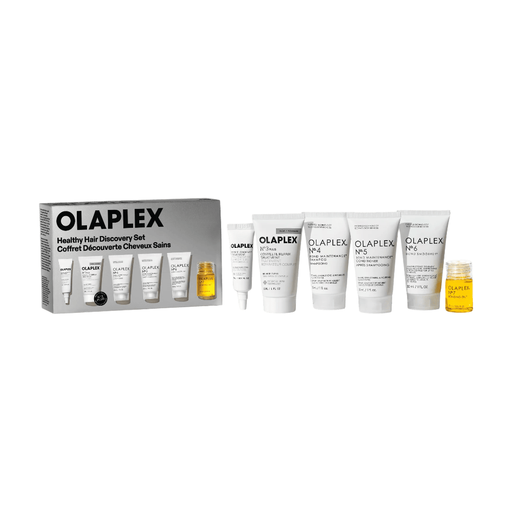
Why it suits this need: This set brings together a treatment, shampoo, conditioner, smoothing product and oil in smaller sizes for a complete routine.
The mini sizes reduce the risk of ending up with a large, unused bottle. Do check the instructions and ingredients for each product.
Includes multiple steps for cleansing, conditioning, styling and shine; the product information states that it’s suitable for different hair types.
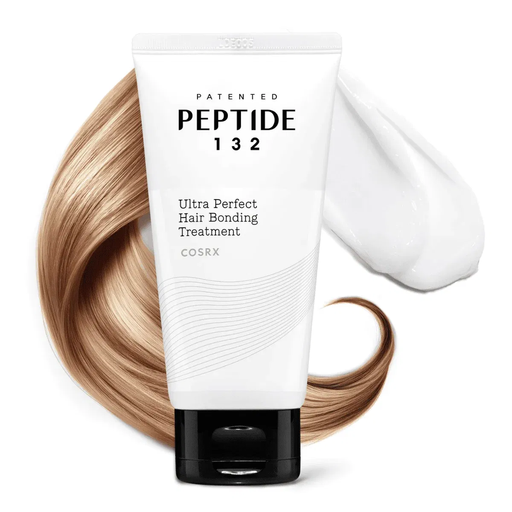
Why it suits this need: This standalone intensive treatment is for anyone who wants to target the lengths and ends after washing.
The instructions focus on the mid-lengths and ends, so you won’t weigh down your scalp unnecessarily. Use it as directed and follow the recommended rinsing routine.
The ingredients list includes peptide-132, ceramides, oils, collagen and hyaluronic acid; the product size is 120 ml.

Why it suits this need: A rich hair mask for dry, frizzy or damaged hair. Use it once or twice a week instead of conditioner.
The recommended frequency helps you avoid using an intensive formula every day. The product information lists silicones and states that the mask isn’t hypoallergenic.
230 g size, suitable for all hair types according to the product details, and designed for dry, frizzy and dull hair.
We’ve put together a complete, up-to-date list of products that meet these strict selection criteria and current European safety regulations.
Once or twice a week is usually enough. If you have fine hair, start with once a week and apply the mask only to the lengths and ends. Use the mask instead of conditioner that day to avoid weighing your hair down.
Look for a shampoo that cleanses your scalp effectively without leaving your lengths feeling rough. Also check whether the brand specifically mentions coloured hair, and take a look at the ingredients list. Shampoo alone won’t repair damage; pair it with a conditioner, mask or intensive hair treatment that suits your hair texture.
It depends on the size, how much you use and how often you use it. Check the period-after-opening symbol, such as 6M or 12M, and follow the packaging instructions. A haircare set may seem like good value, but it’s only practical if you use the products within the recommended period.
