
Vandaag of morgen in huis

Kwaliteit gegarandeerd

Welkomstaanbiedingen ontgrendelen: GRATIS bezorging | Tot 80% korting | Gratis 30 dagen JoyPlus-proefperiode
Download de app
Frizzy hair is often caused by a combination of dryness, friction, humidity, damaged lengths and using styling products incorrectly. Curly, wavy, coloured or porous hair can be particularly prone to looking unruly. But if you’re looking for hair products for frizzy hair, you’ll come across lots of different claims. An oil, serum, mask or spray won’t necessarily have the same effect on every hair type.
This guide helps you compare anti-frizz hair products based on how you use them, their ingredients and what your hair needs. That way, you can avoid buying a product that’s too heavy, doesn’t provide enough care or doesn’t fit into your daily routine.
Silicones, oils and film-forming ingredients can temporarily make the hair feel smoother. This can feel good on dry or frizzy hair, but it doesn’t necessarily mean that damaged hair has been repaired in the long term. So, look out for the difference between:
Claims such as ‘repair’ or ‘restoration’ should be understood as the brand’s own claims about the product. For example, a brand’s own research may suggest that a formula reduces hair breakage by a certain percentage; that result isn’t guaranteed for every user.
A generous amount of oil or cream can leave fine hair limp, greasy or weighed down. A richer formula may be a better fit for thick, curly or very dry hair. So, start with a small amount and apply the product mainly to the lengths and ends, rather than automatically applying it to your scalp.
A product that the manufacturer says protects against heat won’t necessarily provide full protection against humid air. Check the product description for the specific use. A spray designed to protect against humidity may work differently from a hair serum for blow-drying or an oil for the ends.
Choose a texture to suit your hair:
A capsule formula, such as a twist-off softgel, makes it easier to measure out the right amount. With a pump bottle or spray, you can gradually build up the amount you use.
Common ingredients in hydrating hair care include glycerine, panthenol, oils and conditioners. Oils such as argan, macadamia, jojoba or coconut oil can help hair feel smoother. Proteins and keratin-like ingredients are often used in products for dry or damaged hair.
Always check the full ingredients list if you’re sensitive to fragrance, nut oils, silicones or certain preservatives. If a product is described as vegan, paraben-free or sulphate-free, check this against the information on the packaging.
A product is only practical if it fits into your routine. Check the instructions:
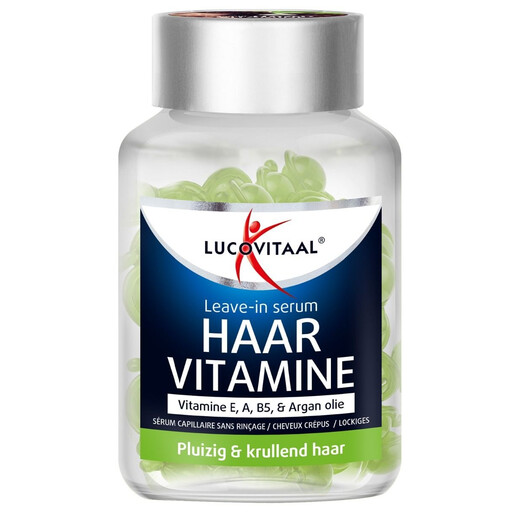
Why it suits this hair type: The 25 twist-off softgels are easy to measure out for each use. According to the product information, the serum is designed for curly, wavy and frizzy hair, and can be applied to wet or dry hair.
The pre-measured portions help prevent you from using too much, which is especially useful for finer hair. Check the ingredients if you prefer to avoid fragrance or certain oils.
Leave-in formula, 25 softgels and a blend containing several plant oils, according to the product information.
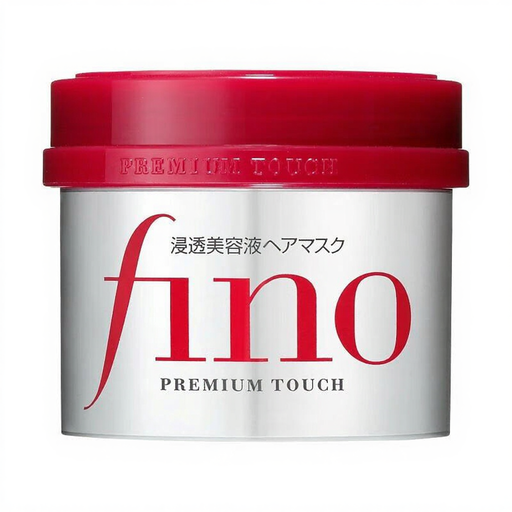
Why it suits this hair type: This rinse-out hair mask is designed for dry, dull and frizzy hair. The 230 g tub is a good fit if you want to add extra care to your weekly washing routine.
It isn’t a daily leave-in product, so you won’t build up unnecessary layers. Follow the stated instructions and use it once or twice a week instead of conditioner.
230 ml size and a formula containing ingredients such as dimethicone, amodimethicone and behentrimonium chloride, according to the product information.
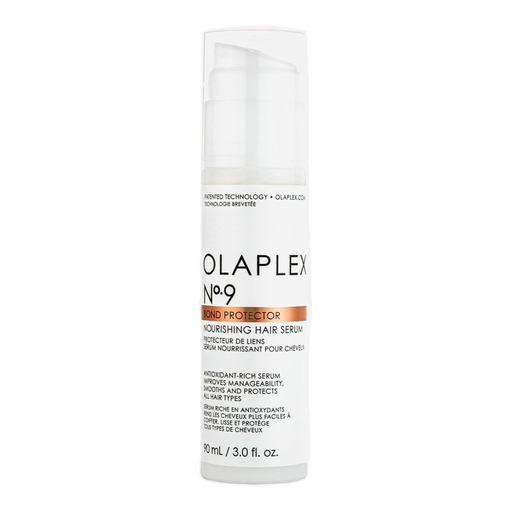
Why it suits this hair type: According to the product information, this serum is intended for use on towel-dried hair and targets tangles and static, while protecting against heat and environmental factors.
The instructions recommend using a small amount and working from the roots down to the ends. This helps reduce the risk of hair feeling weighed down if you blow-dry or style it regularly.
90 ml serum, sulphate-free and silicone-free according to the listed product specifications.
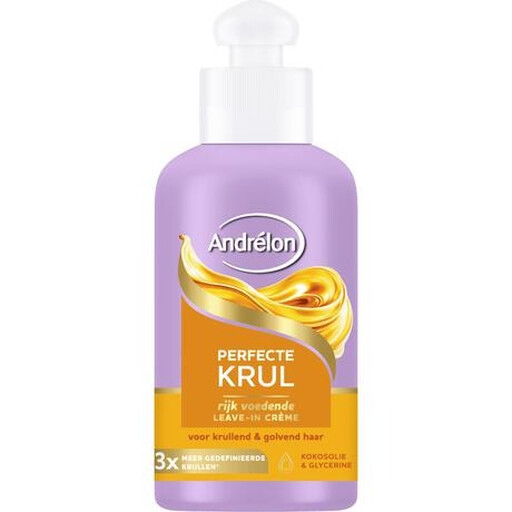
Why it suits this hair type: According to the product description, this leave-in cream is designed to enhance natural curls, hydrate them and define them using the scrunching technique.
Apply it to damp or dry hair, adjusting the amount to suit your needs. This helps prevent a curl product from weighing down your curls.
200 ml size and a formula containing coconut oil and glycerine, according to the product details.
We’ve put together a complete, up-to-date list of products that meet these strict selection criteria and the applicable European safety requirements.
A simple routine often works better than using several products at once:
It depends on the cause and your hair type. A leave-in conditioner or serum is practical for everyday use. If your hair is dry and damaged, a mask once or twice a week may be a good choice. For curls, a light cream and a good drying technique are often more important than using lots of oil.
Hair oil can help the lengths and ends feel smoother, but it can quickly weigh down fine hair. Start with one small drop or a minimal amount, and avoid your scalp. If you have thick or very dry hair, you can carefully increase the amount.
Check the expiry date and the period-after-opening symbol on the packaging. Many hair products, for example, state 12M after opening, but this varies by product. Keep the formula tightly closed, out of direct sunlight and follow the manufacturer’s storage instructions.
