
Vandaag of morgen in huis

Kwaliteit gegarandeerd

Welkomstaanbiedingen ontgrendelen: GRATIS bezorging | Tot 80% korting | Gratis 30 dagen JoyPlus-proefperiode
Download de app
Buying Asian rice seems simple, until you’re faced with a shelf or online shop full of dozens of varieties. Jasmine rice, sushi rice, sticky rice and Vietnamese ST25 rice differ not only in origin, but especially in aroma, grain shape and texture after cooking. Choose the wrong type and you could end up with dry rice alongside your curry, grains that are too separate for sushi or a pack that turns out to be impractically large at home.
As a Joybuy Product Recommendation Officer, I filter the key product information down to three things: what you’ll use the rice for, how much you need and which features you can verify.
Terms such as “premium”, “AAA” and “authentic” aren’t automatically an objective guarantee of quality. So check the ingredients list, type of rice, country of origin and net weight. Some products clearly list these details; others focus mainly on marketing descriptions.
Claims about flavour, aroma or nutritional value should also be read with care. For example, when a brand says its rice is especially nutritious or rich in certain substances, that’s a claim made by the brand. Always check the nutritional information on the pack.
Jasmine rice and Thai rice are usually long-grain, aromatic and soft after cooking, with a slight stickiness. They’re a good match for curry, stir-fries and everyday meals. Sushi rice has short, round grains and becomes stickier when cooked, making it suitable for sushi, onigiri and rice bowls.
Sticky rice, also known as glutinous rice, has a different texture from regular rice. The name refers to its sticky texture, not to gluten. Product information for various types says they’re gluten-free, but if you have allergies, always check the label and any warnings about cross-contamination.
Buying rice in bulk can be practical for a family, meal prep, a restaurant or a catering business. However, an 18 or 20 kg bag takes up a lot of space and needs to be protected from moisture and pests. For occasional use, a 1 kg pack of rice is often more convenient. A 10 kg pack is a good middle ground for families and people who cook at home regularly.
So compare the price per kilogram, not just the price of the pack. Also check that the product title matches the specifications. Some listings, for example, may mention 20 kg in the title while the description gives a different pack size.
Use this practical guide:
Basmati rice is known for its long, separate grains and is often served with Indian and South Asian dishes. However, not all long-grain rice is basmati. Check the official product name and ingredients list.
A 1 kg pack of rice is a good choice if you want to try a type first or switch between different varieties. Options include Royal Thai Perfume Jasmine Longgrain Rice, Double Panda Vietnamese ST25 Rice and Royal Thai Glutinous Rice.
A 4.5 kg or 5 kg bag is better suited to a family that eats rice several times a week. For professional use or larger households, 10 kg or 20 kg of rice may be more efficient. Store opened rice in an airtight container in a cool, dry place.
For the selected products, the ingredients list often contains 100% rice, but check each pack. “Organic rice” is a specific designation, so look for a valid organic certification logo. Natural-looking packaging or health-focused branding doesn’t automatically mean a product is organic.
Pure rice products are generally easy to include in a vegan or vegetarian diet. However, check the current packaging. The same applies to gluten-free rice: the product description may say that the rice is naturally gluten-free, but the label is the definitive source.
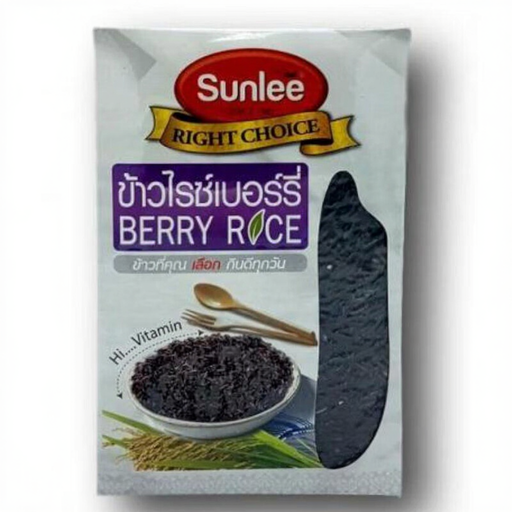
Why it suits this type of shopper: The 1 kg pack reduces the risk of buying a large supply before you know whether you like it. According to the product description, this multigrain rice is recommended for salads, curries and stews.
You don’t have to commit to a large bulk bag before you know whether the flavour and texture work with your meals.
1 kg pack; 100% multigrain rice; according to the product information, free from the 14 main EU allergens.
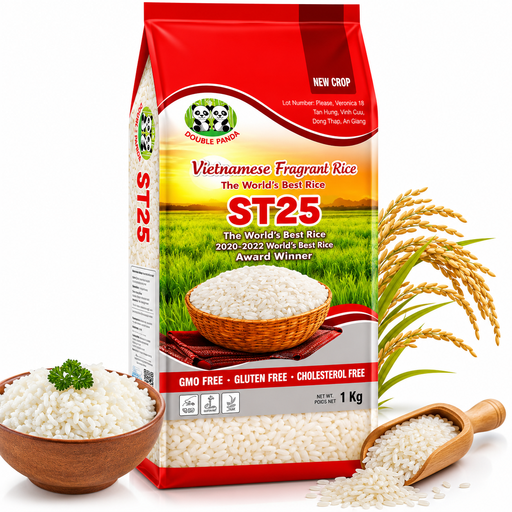
Why it suits this type of shopper: According to the product information, this Vietnamese ST25 rice is long-grain and aromatic, with a soft yet slightly firm texture. It’s a good choice for rice bowls, stir-fries and everyday meals.
The product information clearly states the type of rice, its origin in Vietnam and the recommended cooking methods.
100% aromatic ST25 rice; 1 kg pack; suitable for rice cookers, steaming and boiling.
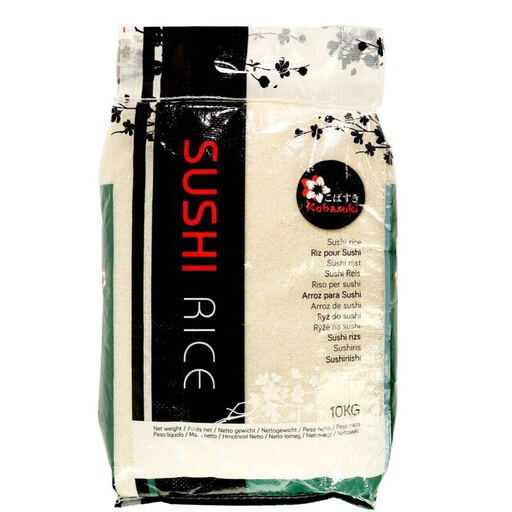
Why it suits this type of shopper: The product description says this round-grain rice is intended for sushi, rice bowls and Japanese dishes. The 10 kg bag is a good fit for meal preppers, families and catering businesses.
Rather than using separate-grain jasmine rice for sushi, choose a product specifically described as sushi rice.
10 kg pack; round grains; according to the product information, gluten-free and suitable for vegans.
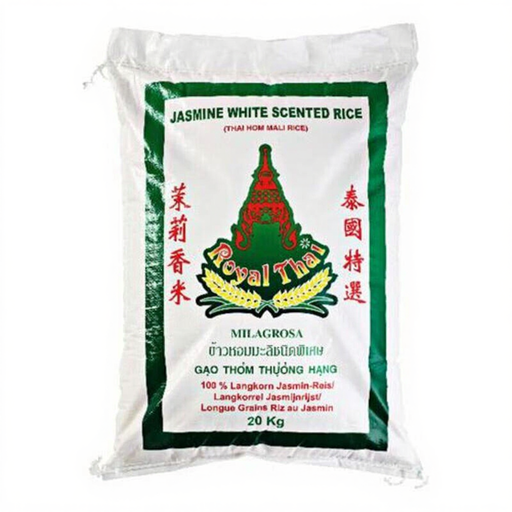
Why it suits this type of shopper: The large pack is designed for everyday use, catering and households that regularly serve Thai rice.
The product description gives the type of rice, its origin in Thailand and suggested uses, so you’re not choosing the bag based on size alone.
20 kg pack; aromatic Thai long-grain rice; according to the product information, soft and fluffy when cooked.
We’ve put together a complete, up-to-date list of products that meet these strict selection criteria and the applicable European safety regulations.
Jasmine rice and Thai rice are practical choices for curries, stir-fries and meals with vegetables. If you’d like to try a firm, aromatic long-grain rice, Vietnamese ST25 rice may suit you. Focus on the texture you want and the cooking instructions on the pack.
Sushi rice is usually round-grain and becomes sticky enough to shape into sushi and rice balls. Sticky rice has an even more cohesive texture and is often soaked first, then steamed. So the two aren’t automatically interchangeable.
Store unopened rice according to the label, in a cool, dry place out of direct sunlight. Once opened, it’s best kept in an airtight storage container. Check the packaging before use and cook the rice fully according to the instructions.
