
Vandaag of morgen in huis

Kwaliteit gegarandeerd

Welkomstaanbiedingen ontgrendelen: GRATIS bezorging | Tot 80% korting | Gratis 30 dagen JoyPlus-proefperiode
Download de app
Buying Asian rice seems simple until you are faced with a shelf or online range containing dozens of varieties. Jasmine rice, Thai rice, sushi rice and sticky rice differ not only in origin, but also in grain, texture and preparation. The wrong choice can leave you with dry rice alongside your curry, sushi that falls apart or a large bag that loses its aroma before you have finished it.
This buying guide helps home cooks, families, meal preppers and food-service businesses compare Asian rice based on verifiable product information.
Words such as “fragrant”, “AAA” or “premium” often feature prominently on the packaging. They do not always tell you exactly which type of rice you are buying or how it will behave after cooking. So pay particular attention to the ingredients list, grain type, origin and cooking instructions.
For example, a product with “jasmine” in its name is generally suitable for Thai and other South-East Asian dishes, but not automatically for sushi.
Sticky rice, also known as glutinous rice, becomes highly adhesive after soaking and steaming. It is used for Thai desserts, dumplings and traditional sticky rice dishes, among other recipes. The term “glutinous” refers to the texture and not to gluten.
Sushi rice is usually short-grain and is seasoned after cooking with a rice-vinegar-based mixture. The grains need to hold together, but the preparation differs from that of sticky rice.
A bag of 10 kg, 18 kg or 20 kg of rice can be practical for a family, meal prep or a restaurant. The benefit is reduced if you store the bag somewhere damp, warm or open. Rice should be kept in a cool, dry place away from direct sunlight. Once opened, a well-sealed storage container is advisable.
Choose 1 kg of rice if you want to try a variety first or cook different types in rotation. A 4.5 or 5 kg pack is suitable for regular use. 10 kg of rice is an appealing option for families, meal preppers and small commercial kitchens. For restaurants and catering, 18 kg or 20 kg of rice may be more efficient, provided the storage area is dry and sealed.
As well as the price per kilogram, check the best-before date, the dimensions of the bag and how you will store the rice once it has been opened.
Look for:
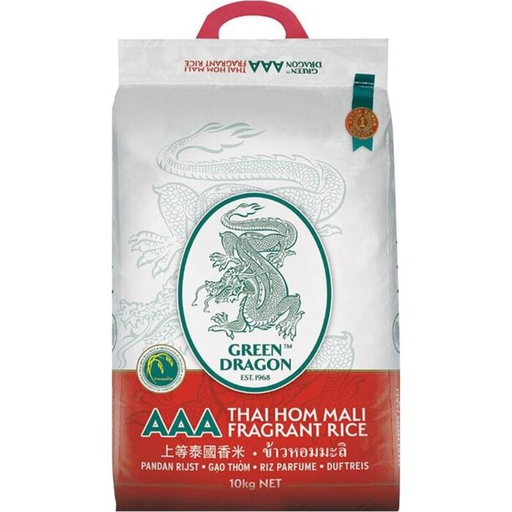
Why this suits the profile: The 10 kg bag is suitable for anyone who cooks rice regularly and is looking for an aromatic Thai long-grain variety for curries, stir-fries and everyday meals.
The product listing explicitly identifies the rice as fragrant Thai jasmine rice and provides storage advice. This makes the rice variety clearer than on packaging featuring only a general marketing name.
10 kg contents; aromatic Thai jasmine rice; suitable for a range of Asian dishes.
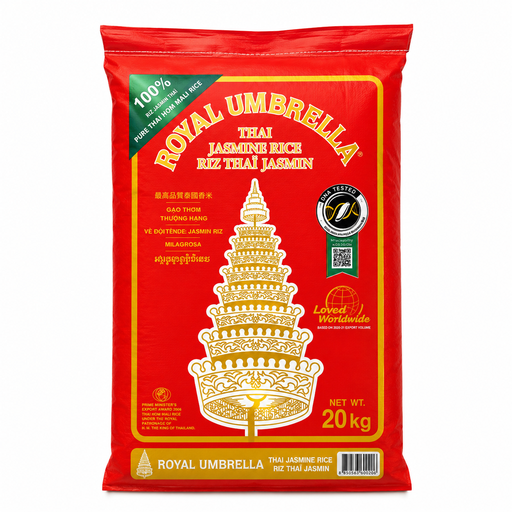
Why this suits the profile: Anyone specifically looking for 100% Thai Hom Mali Jasmine Rice gets a product with a clearly defined rice type and origin in Thailand.
The ingredients listing specifies 100% Thai Hom Mali Jasmine Rice. Check the bag on delivery to confirm the information and best-before date.
20 kg contents; 100% Thai Hom Mali jasmine rice according to the product listing; suitable for large households and food-service businesses.
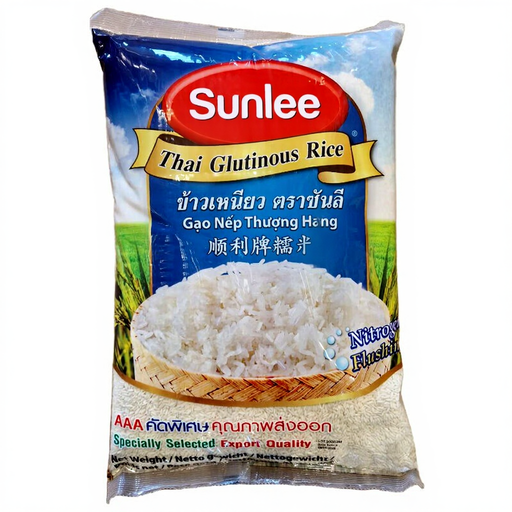
Why this suits the profile: This sticky rice is intended for dishes where adhesion is key, such as desserts, dumplings, tangyuan and other Asian recipes.
The product name and description explicitly mention glutinous rice. The preparation information recommends thorough rinsing and, if necessary, soaking. This prevents you from treating it like ordinary long-grain rice.
4.5 kg pack; ingredients: 100% rice; suitable for cooking, steaming and recipes requiring a sticky texture.
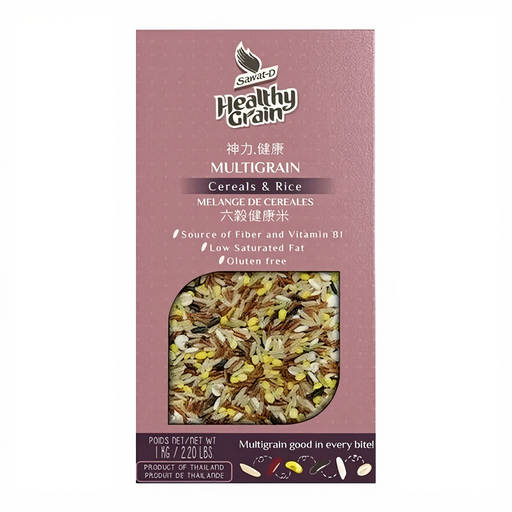
Why this suits the profile: The blend adds variety to rice salads, bowls and meal prep without requiring you to buy a large bag straight away.
The product information states that the composition may vary by region or batch. Therefore, check the current ingredients list and follow the specific preparation instructions.
1 kg pack; blend of several rice and seed varieties according to the product description; vacuum packaging.
We have compiled a complete, up-to-date list of products that fully meet these strict selection criteria and the applicable European safety regulations.
Store opened rice in a dry, well-sealed storage container. Use a clean, dry measuring cup to minimise moisture and contamination.
For Thai curries, aromatic varieties such as jasmine rice, pandan rice or Thai Hom Mali rice are a sensible choice. Their soft texture pairs well with sauces. However, check the product description, as “Thai rice” can also mean sticky rice.
Sticky rice is usually soaked and steamed, forming a strongly cohesive mass. Sushi rice has shorter, round grains and is cooked, often then mixed with rice vinegar. So do not substitute one for the other without adapting the preparation.
A large pack may offer a lower price per kilogram, but only if you can use the rice within a suitable period and store it in a dry place. For a small household, 1 kg of rice is often more practical. For restaurants, catering and high-volume use, 10 kg, 18 kg or 20 kg of rice may be a better fit. Always check the current price per kilogram, best-before date and available storage options.
