
Vandaag of morgen in huis

Kwaliteit gegarandeerd

Welkomstaanbiedingen ontgrendelen: GRATIS bezorging | Tot 80% korting | Gratis 30 dagen JoyPlus-proefperiode
Download de app
Jasmine rice is popular with households, restaurants and lovers of Thai cuisine. It generally has long grains and a distinctive aroma. However, products can vary considerably in origin, grain type, packaging and cooking instructions. If you focus only on terms such as “premium”, “AAA” or “Hom Mali”, you may end up paying more than necessary for your needs.
In this buying guide, we explain what to look for when choosing Thai jasmine rice, pandan rice and other fragrant long-grain varieties. You will then find several product options for everyday use, a smaller quantity and high-volume consumption.
Terms such as AAA, premium and Hom Mali may sound reassuring, but always check the complete product information. Look at the country of origin, ingredients and net weight. “Thai Hom Mali” refers to a rice variety and designation of origin that should be substantiated on the packaging. A brand’s claim about aroma, texture or cooking performance is not independent proof.
According to Royal Umbrella’s product description, this variety consists of 100% Thai Hom Mali jasmine rice and is sourced from Thailand. Always check the physical packaging upon delivery, as information on a product page may change.
A 10 kg, 18 kg or 20 kg bag of jasmine rice can offer an attractive price per kilogram, but it also takes up considerable space. Rice should be stored in a dry, cool place away from direct sunlight. Once opened, transferring it to an airtight storage container is advisable. In a damp storage area or next to a heat source, the quality may deteriorate more quickly.
For a household that eats rice only occasionally, a 1 kg or 4.5 kg pack of jasmine rice may be more practical. Restaurants, caterers and larger families will generally benefit more from an 18 kg or 20 kg pack.
Jasmine rice is not the same as basmati rice. Basmati often has a different aroma and a drier, more separate texture. According to product descriptions, Thai jasmine rice generally becomes soft and lightly sticky when cooked. This makes it a natural match for curries, stir-fries and rice bowls.
Also look out for the term broken rice. Broken fragrant rice consists of smaller grains. According to the product information, this variety can cook quickly and absorb sauces well, but its texture differs from that of standard long-grain rice.
Check whether you are buying Thai, Cambodian or Vietnamese rice. Examples from the range include:
Origin does not automatically determine which variety you will enjoy most. For example, Double Panda’s product description states that it is Vietnamese ST25 rice, made from 100% rice and supplied in a 1 kg pack. That is a different proposition from a large bag of Thai rice intended for everyday restaurant use.
Do not compare the total price alone. Divide the price by the weight and consider:
When shopping during promotions, check the actual weight. According to the product information, a pack marked “20+1 kg” contains 21 kg, while other products weigh exactly 20 kg.
Where possible, follow the instructions on the packaging. The rice-to-water ratio varies by brand, saucepan and rice cooker. Rinsing can remove excess starch, but too much water may leave the grains soft and heavy.
A general method:
The nutritional values in the supplied product information generally range from around 350–365 kcal per 100 grams of uncooked rice. Always check the label for allergens, ingredients and nutritional information. Product pages and packaging may differ.
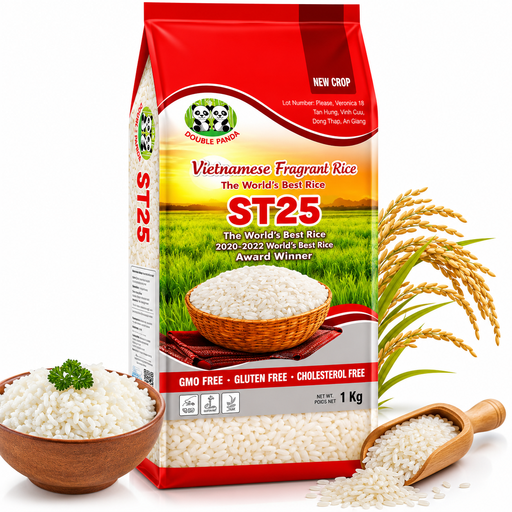
Why it fits: A manageable pack size for anyone who wants to try Vietnamese fragrant rice without immediately building up a large stock.
The 1 kg pack limits the risk of waste and makes it easier to compare with Thai jasmine rice.
According to the product information: Vietnamese ST25, 100% rice and suitable for cooking in a rice cooker, steaming or boiling.
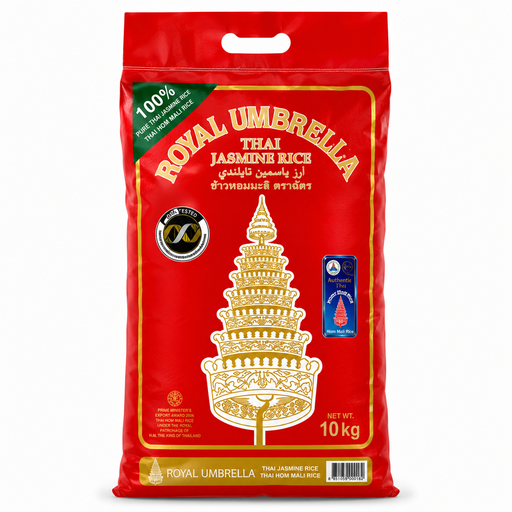
Why it fits: A 10 kg pack for families or cooks who regularly prepare rice for Thai dishes.
The origin and composition are clearly stated: 100% Thai Hom Mali jasmine rice. Check this on the bag as well.
According to the product description, the rice is intended for curries, stews and grilled dishes.
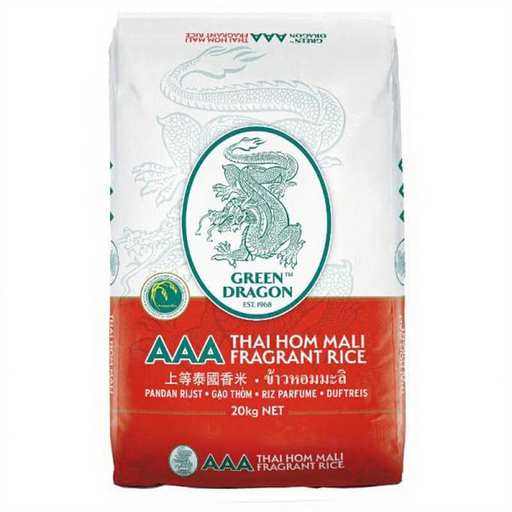
Why it fits: This large bag is designed for families, restaurants and catering companies with regular rice consumption.
The 20 kg net weight is clearly stated. Choose this size only if you have dry, sealed storage available.
According to the product information, these are long, fragrant grains that remain light and non-sticky after cooking.
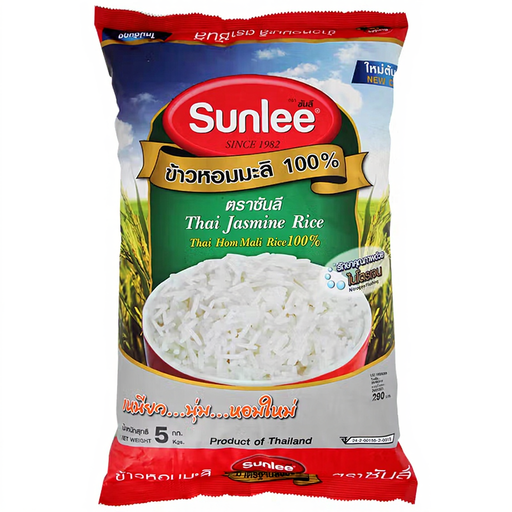
Why it fits: A practical mid-sized pack for households that use Asian rice several times a week.
With 5 kg, you do not need to store an 18 kg or 20 kg bag, while still avoiding frequent reorders.
According to the product information: Thai origin, long grain and 100% jasmine rice.
Browse our current range of sweet-aroma rice and compare origin, pack size and product information before ordering.
The terms are sometimes used interchangeably in the Netherlands. For that reason, check the official product name, country of origin and ingredients list. Jasmine rice is generally a fragrant long-grain variety; “pandan” may appear in product names as a reference to the aroma.
As a guideline, allow approximately 75 to 100 grams of uncooked rice per adult. A main course, buffet or larger group may require more. Always use the cooking instructions on the packaging as your starting point.
Store jasmine rice in a cool, dry and dark place. Seal the original bag securely or transfer the rice to a clean, airtight storage container. Check the best-before date before use and do not use packaging that is damaged or damp.
