
Vandaag of morgen in huis

Kwaliteit gegarandeerd

Welkomstaanbiedingen ontgrendelen: GRATIS bezorging | Tot 80% korting | Gratis 30 dagen JoyPlus-proefperiode
Download de app
Buying Asian rice might seem straightforward, until you're standing in front of a shelf full of jasmine rice, sticky rice, sushi rice and mixed grain rice. The differences aren't just about flavour – they also come down to grain shape, preparation method, texture and pack size. Choosing the wrong one can leave you with claggy fried rice, sushi that falls apart, or a large bag that loses its aroma before you've finished it.
This buying guide is designed to help consumers, families, meal preppers, restaurateurs and caterers compare Asian rice with confidence.
Words like "fragrant", "AAA", "premium" and "authentic" don't always tell you enough about how the rice will perform in the pan. Always check the ingredients list, country of origin, grain type and cooking instructions.
For example: Thai rice, Vietnamese rice and Cambodian rice can all be aromatic long-grain varieties, but they differ in fragrance, firmness and cooking results.
Jasmine rice and pandan rice are typically chosen for Thai meals, curries and stir-fries. Basmati rice stays looser, making it a good match for biryani and Indian dishes. Sticky rice, on the other hand, has a high level of stickiness and is often steamed or used in both sweet and savoury dishes.
Sushi rice is a short-grain Japonica variety. After cooking, it sticks together enough to shape into sushi, onigiri and rice bowls. That doesn't mean every sticky rice is automatically suitable for sushi.
A 10 kg bag of rice or an 18 kg bag of rice can be a good option for a large family, restaurant or caterer. For occasional use, however, a 1 kg bag of rice is far more practical. An opened bag also takes up storage space and needs to be kept dry, cool and well sealed.
With bulk packs, also pay attention to the actual net weight. In product information, the title, description and packaging can sometimes be inconsistent. Always check the label and the current product page before you order.
Always follow the instructions on the packet. A rice-to-water ratio is not a universal rule: the result depends on the variety, the cooking appliance and the mouthfeel you're after.
Check whether the product comes from Thailand, Vietnam, Cambodia or another country, and whether it is 100% rice. Mixed products may also contain brown rice, red rice, black sticky rice, mung beans, barley or other grains.
For example, Sunlee Healthy Mixed Rice lists barley in its ingredients. This means the product contains gluten-containing grains. If you have an allergy or food intolerance, always check the full packaging; a general statement such as "free from the 14 major EU allergens" does not automatically apply to every rice product.
For a household that eats rice a few times a week, 1 kg is often a manageable size. A 4.5 kg or 5 kg pack is better suited to meal prepping or regular use. 10 kg and 18 kg bags of rice make most sense when you're cooking large portions or need to stock up.
Store opened rice in a dry pantry, away from heat and direct sunlight. Seal the bag carefully or use an airtight food container.
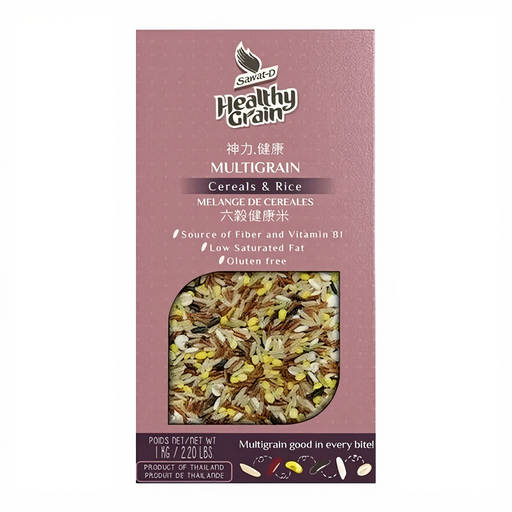
Why this fits the profile: The 1 kg pack is ideal for trying mixed grain rice without committing to a large stock. The mix may include red rice, brown rice and black sticky rice.
The product description states that the exact mix may vary by region or batch. This makes it clear why you should check the label.
1 kg vacuum pack; according to the product information, approximately 4.1 g fibre and 10 g protein per 100 g.
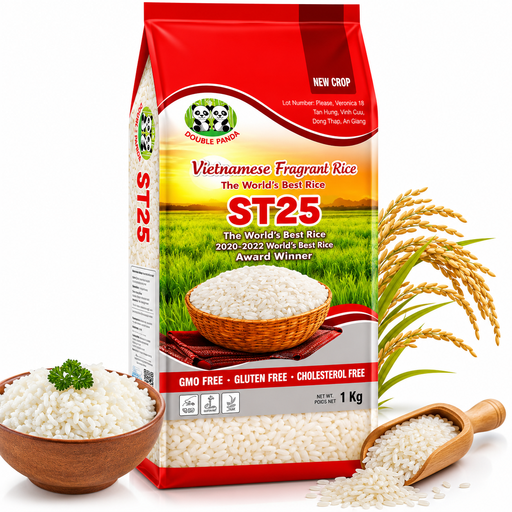
Why this fits the profile: This 1 kg Vietnamese ST25 rice is a practical choice for anyone looking for fragrant long-grain rice for everyday meals, rice bowls and stir-fries.
The product page lists the variety, country of origin, 100% ST25 rice and multiple cooking methods.
Vietnamese origin; long grain; suitable for rice cooker, steaming and boiling.
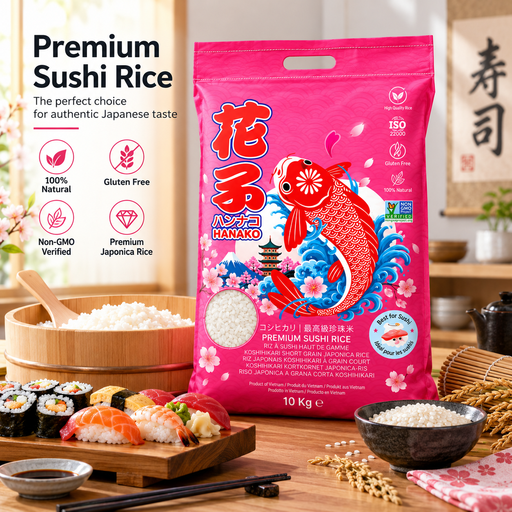
Why this fits the profile: The short Japonica grain is designed for sushi, onigiri and rice bowls. The 10 kg pack suits frequent home cooks, meal preppers and foodservice use.
The product information explicitly states the grain type, intended use and a cooking ratio of approximately 1:1.1.
10 kg net weight; soft, slightly sticky texture; suitable for sushi and onigiri.
We've put together a full, up-to-date list of products that fully meet these strict selection criteria and comply with current European safety regulations.
Jasmine rice is a practical choice for many Thai and Southeast Asian meals. If you prefer looser grains, basmati rice is worth considering. Always check the cooking instructions, as water ratios vary from product to product.
Store dry rice in a cool, dry, dark place, and keep it well sealed. The exact shelf life is stated on the packaging. Throw away rice if the packaging is damaged, or if the grains smell unusual or show visible contamination.
No. Sticky rice has a much higher level of stickiness and is often steamed. Sushi rice is usually short-grain Japonica rice with a soft, cohesive texture. So choose the rice type based on the dish, not just the word "sticky" on the packet.
