
Same-day & Next-day Delivery

Quality Guaranteed

Unlock Your Welcome Offers: FREE Delivery | Up to 80% OFF | Free 30-day JoyPlus trial
Download the APP
You're standing in front of the shelf, whether online or in an Asian grocery store, and the wall of rice bags is staring you down. Jasmine, basmati, sushi, glutinous... the choice is overwhelming. You want to create authentic Asian dishes, but the wrong rice can completely ruin a perfect recipe. Many home cooks fall into a few common traps.
The two biggest missteps?
sushi rice. Although both are sticky, their function and texture are completely different.This guide will help you see through the marketing and choose the right Asian rice for your dish.
Before you choose a bag of rice, there are three simple characteristics that determine how the rice cooks, tastes, and feels.
The shape of the rice grain is the first clue to its texture.
Rice contains two types of starch: amylose and amylopectin. The ratio between these two determines the texture.
The degree of processing affects the flavour, cooking time, and nutritional value.
Here are a few choices, tailored to specific dishes and cooking styles.
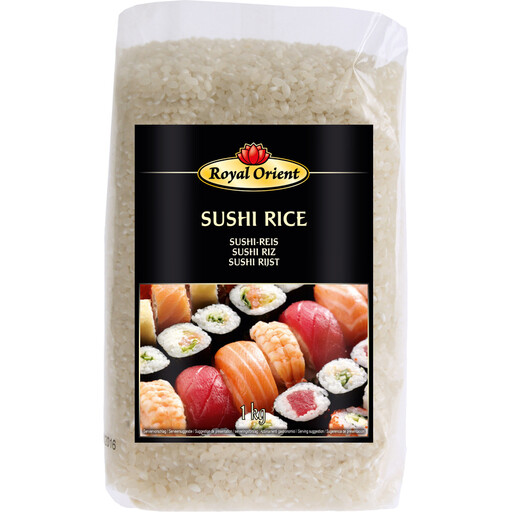
Why it's a match: This rice is specifically selected for making sushi. The short, round grains have the right starch ratio to stick together perfectly after cooking and seasoning, without becoming mushy. Ideal for maki, nigiri, or a poké bowl.
Prevents the classic mistake of using long-grain rice, which results in sushi that falls apart. This is not an all-purpose rice, but a product for a specific goal.
The grains are specifically the sushi rice type, which provides the characteristic soft and sticky texture needed to hold its shape.
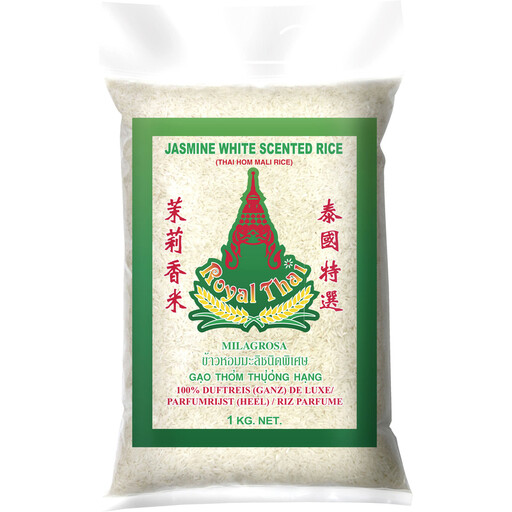
Why it's a match: For those who want to bring the authentic taste of Thai cuisine into their home. This jasmine rice has a subtle floral aroma that pairs perfectly with the spicy and complex flavours of a green or red curry. The long grains cook up light and separate.
This prevents the use of a neutral, odourless rice that adds nothing to the dish. The aroma of this Thai rice is an essential part of the dining experience.
The combination of a long, fluffy grain and its signature perfume ensures the rice absorbs the curry sauce well without becoming heavy or mushy.
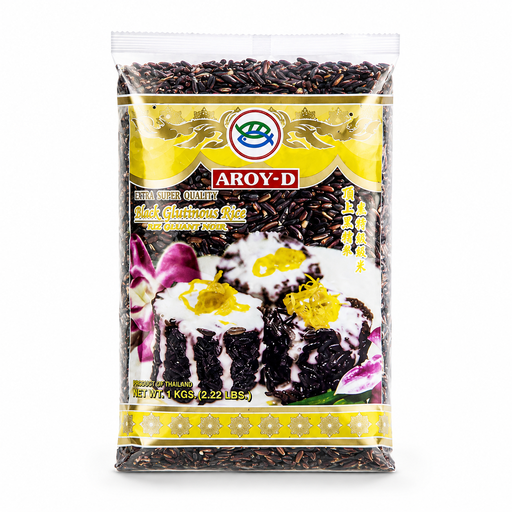
Why it's a match: Perfect for those who want to make traditional Asian desserts like mango sticky rice or black rice pudding. This black glutinous rice has a unique nutty flavour and a deep purple colour after cooking.
This resolves the confusion between sushi rice and sticky rice. This product is specifically glutinous rice, which is essential for the unique, chewy texture of desserts.
The extremely high amylopectin content ensures that after steaming, the rice develops a very sticky, almost fused-together structure that is indispensable for authentic desserts.
We have an up-to-date selection of products that cater to various dishes and preferences. Find the rice you're looking for here.
Yes, it's good practice. Rinsing removes excess starch from the surface of the grains. This helps prevent the rice from becoming too mushy and results in a cleaner flavour. For jasmine rice and basmati rice, this leads to fluffier grains. For sushi rice, rinsing is crucial to achieve the right texture after cooking and seasoning.
Although both are sticky, their texture is different. Sushi rice is a short-grain rice that is soft and sticky enough to be shaped after cooking, but the grains still hold their form. Glutinous rice (or sticky rice) is a different variety that becomes extremely sticky and chewy after steaming, with the individual grains almost merging. It is primarily used for desserts like mango sticky rice.
Store rice in an airtight container in a cool, dark, and dry place, such as a pantry. This protects the rice from moisture, pests, and absorbing odours. White rice can be stored for a long time, whereas whole grain varieties like brown rice or black rice can become rancid over time due to the natural oils in the bran. Therefore, always check the expiration date on the package.
