
Vandaag of morgen in huis

Kwaliteit gegarandeerd

Welkomstaanbiedingen ontgrendelen: GRATIS bezorging | Tot 80% korting | Gratis 30 dagen JoyPlus-proefperiode
Download de app
Sticky rice may seem straightforward at first: choose a pack, rinse the grains and cook them. But many disappointments happen because ordinary rice, dessert rice and genuine sticky rice get confused with one another. One type turns soft and sticky, while another stays separate.
If you’re looking to buy sticky rice for mango sticky rice, dumplings or an Asian dessert, it’s worth checking three things: the type of rice, the packaging and the cooking method. Here, we set out the key differences.
The name “glutinous rice” refers to its sticky texture after cooking, not to gluten. Sticky rice is naturally gluten-free, but if you have an allergy or dietary requirement, always check the current packaging and information about possible cross-contamination.
Thai sticky rice, also known as sticky rice, contains plenty of starch, which makes the grains stick together after steaming or cooking. Jasmine rice can become soft and slightly sticky, but it doesn’t have the same compact texture. So, for mango sticky rice or traditional Thai dishes, a pack labelled “glutinous rice” or “sticky rice” makes more sense than ordinary jasmine rice.
Dessert rice is often intended for rice porridge or rice pudding. Lassie Dessert Rice, for example, comes in a 400-gram pack and is described as suitable for a creamy dessert, with a cooking time of around 12 minutes with milk. This makes it a handy choice for Dutch-style rice pudding, but not necessarily for Thai sticky rice dishes.
Mango sticky rice is usually made by steaming sticky rice, then serving it with coconut milk and mango. So, check the suggested use on the label rather than relying on words such as “dessert” or “sweet rice”.
For many households, 1 kg of sticky rice is a practical amount. A 4.5 or 20 kg bag may work out cheaper per kilo, but only if you cook regularly, prepare meals in advance or cater for a group. An opened bag also takes up storage space and needs to be sealed properly to protect the rice from moisture and pests.
Check whether the ingredients list says 100% sticky rice, glutinous rice or sticky rice. A short ingredients list makes it easier to identify rice products without unnecessary additions. For savoury dishes, rice cakes and dumplings, a soft, sticky texture is usually what you want.
Black sticky rice has a dark purple-black colour and often a firmer texture with a slightly nutty flavour. Its colour doesn’t automatically make it suitable for every recipe. White sticky rice may be a better choice for a traditional white dessert, while black rice works well in eye-catching desserts, porridge and sweet bowls.
Use this rule of thumb:
Compare more than just the price of the bag: check the price per kilo, the best-before date and how you’ll store the rice.
Much Thai sticky rice is rinsed first and then soaked for at least 30 minutes. Some recipes call for soaking it for several hours or overnight. The rice is then often steamed. Always follow the instructions on the packaging or in the recipe, as the amount of water needed varies from one product to another.
A rice cooker can be handy, but it won’t produce the same texture as steaming with every type of rice. Too much water can make the grains mushy; too little can leave a hard centre. When trying a new pack, it’s a good idea to cook a small amount first.
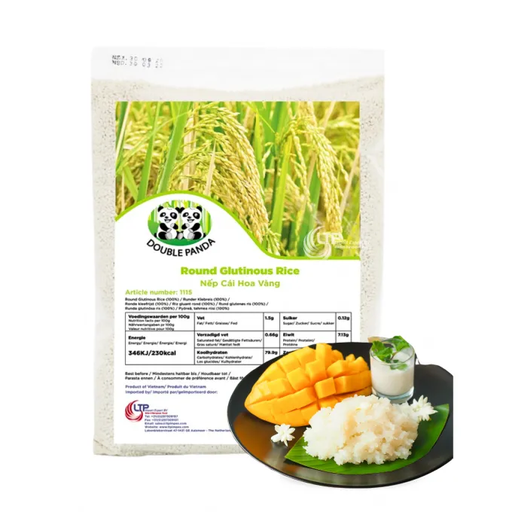
Why it suits this type of shopper: The 1 kg pack is a manageable size if you’re trying Vietnamese or Asian sticky rice for the first time and don’t want to buy a large quantity straight away.
The product description highlights a soft, chewy and naturally sticky texture, and says the rice needs rinsing and may need soaking.
1 kg pack; suitable for sweet and savoury Vietnamese dishes, rice cakes and desserts.
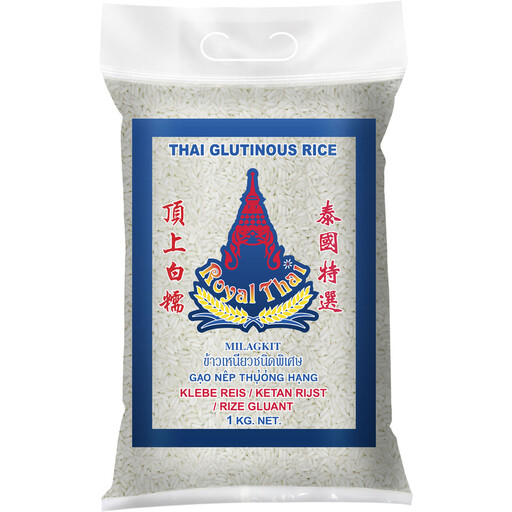
Why it suits this type of shopper: This 1 kg pack is aimed at fans of Thai food who want a specific type of sticky rice without buying a bulk bag.
The product information lists sticky rice as an ingredient and describes a firm texture. Check the current packaging for preparation details.
Thai variety; 1 kg pack; according to the product information, suitable for gluten-free uses.
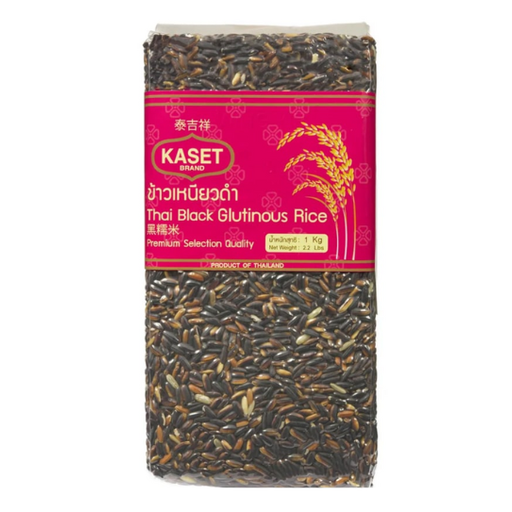
Why it suits this type of shopper: A good choice if you specifically want black sticky rice, which has a different colour and flavour from white rice. Try it in desserts or porridge, for example.
The product name specifies black glutinous rice, so you’re less likely to confuse this variety with ordinary white sticky rice.
1 kg pack; 100% rice according to the product information; suitable for black sticky rice recipes.
For a family that makes mango sticky rice, dumplings or sweet rice cakes now and then, 1 kg of sticky rice is usually a sensible place to start. For caterers and restaurants, 4.5 kg packs or sticky rice in bulk are more efficient. Golden Lily Premium Glutinous Rice 20kg and Green Dragon Premium Thai Glutinous Rice 20KG are examples of larger packs which, according to the product information, are intended for frequent use, restaurants or catering.
Store opened rice in a cool, dry place in a well-sealed container. Check the best-before information on the packaging and don’t use a bag if its packaging is damaged.
We’ve put together a complete, up-to-date list of products that meet these strict selection criteria and the applicable European safety regulations.
No. Sticky rice is much stickier and is often steamed. Sushi rice is a short-grain rice that holds together after cooking, but has a different texture. Although some product descriptions recommend sticky rice for sushi and dumplings, specialist sushi rice is generally a better choice for classic sushi.
It depends on the type of rice and the recipe. Many packs recommend soaking for at least 30 minutes; some recipes call for several hours or overnight. Always check the product packaging, and try a small portion first when cooking a new type of rice.
Yes, black sticky rice is often used in sweet bowls, porridge and desserts. Bear in mind that it has a firmer bite and a dark purple-black colour. It can have a slightly nutty flavour. For a light-coloured dessert with mango, white Thai sticky rice is usually a better visual match.
