
Livraison le jour même et le lendemain

Qualité garantie

Débloquez vos offres de bienvenue: Livraison GRATUITE | Jusqu'à -80 % | 30 jours d'essai gratuits à JoyPlus
Téléchargez l'application
When you’re looking to buy Asian rice, you’ll often start by looking at the brand, bag size or an appealing description. Yet a large pack or a term like “AAA” doesn’t automatically tell you whether the rice will suit your dishes. The right choice depends mainly on the rice variety, its origin, the texture after cooking, and the amount you actually use.
This applies to households, large families and professional kitchens alike. With these practical checks, you can avoid paying too much for rice that turns out too sticky, too dry, or simply inconveniently packaged.
“Fragrant rice”, “perfume rice” and “jasmine rice” usually refer to aromatic long-grain rice, but the exact origin can vary. Thai jasmine rice, Cambodian rice and Vietnamese rice each have their own flavour and texture profile.
So always check:
A product name might, for example, refer to Cambodia, while the description elsewhere mentions a different origin. When in doubt, the information on the label is what counts.
Rice 18 kg, rice 20 kg and other bulk rice options are appealing for restaurants, caterers and large families. But a big bag needs plenty of dry, cool storage space. Once opened, you’ll also need to protect the rice from moisture and contamination by transferring it to a well-sealed storage container.
For a smaller household, rice 5 kg or rice 10 kg can be more practical. That way, the rice stays open for less time, and you can switch between different varieties.
Jasmine rice generally has a soft texture and can be slightly sticky after cooking. That makes it suitable for curries, stir-fries and rice bowls. If you’re after separate, fluffy grains for biryani or pilau, you’re better off looking at basmati rice.
With parboiled basmati, such as Golden Sella, the grains are pre-treated according to the product description. The supplier describes this rice as light and less sticky after cooking. This is a product specification, not a guarantee of the same result with every cooking method.
Jasmine rice and Thai Hom Mali rice are fragrant rice varieties with long grains. They work well with Thai and other Southeast Asian dishes. The product descriptions for Thai Hom Mali rice mention, among other things, a soft texture and natural aroma.
Basmati rice usually has longer, drier grains and is often used for biryani, pilau and Indian dishes. Golden Sella is a parboiled variety. Always follow the ratio on the pack when cooking, as water amounts vary from product to product.
Broken rice consists of grains that have broken during milling. The product description for Green Dragon states that this rice cooks quickly, absorbs flavours well and is suitable for dishes such as congee and nasi goreng.
Look for a clear mention such as:
When it comes to claims about aroma, flavour or cooking results, treat these as information from the product description. According to the brands’ and suppliers’ own product information, some varieties are described as fragrant, soft or fluffy. That still depends on rinsing, water ratio, rice cooker and resting time.
Choose the size based on how much you use:
Store rice in a cool, dry place, away from direct sunlight and moisture. Seal the pack well after opening. Also check the best-before information and don’t use any product with damaged packaging.
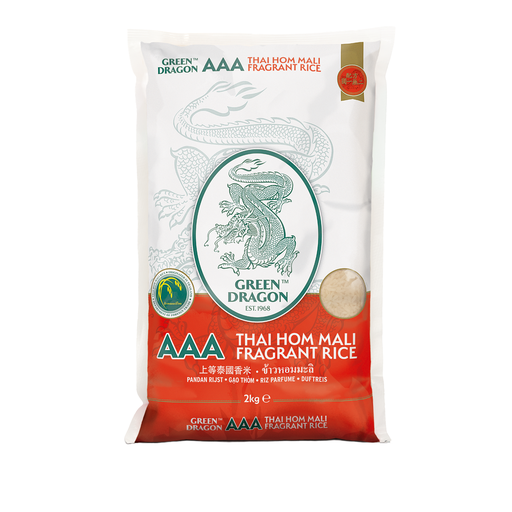
Why this fits the profile: The 2 kg pack is manageable for anyone trying Thai jasmine rice for the first time who doesn’t want to stock up on a large quantity.
You’re not committed to an 18 kg or 20 kg bag if the soft, aromatic texture isn’t to your taste.
100% Thai Hom Mali according to the product information; suitable for everyday meals and Asian dishes.
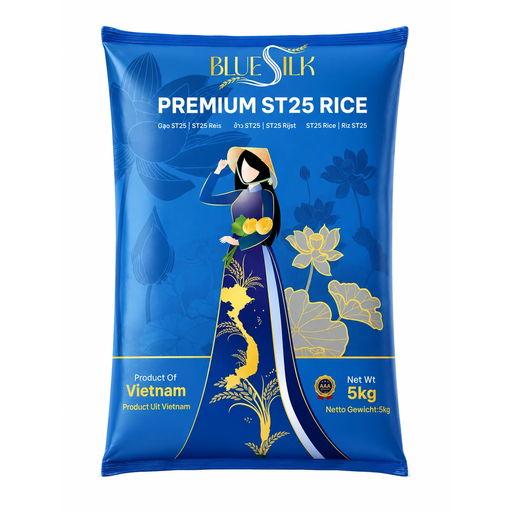
Why this fits the profile: This Vietnamese ST25 rice is a targeted choice for anyone who values a fragrant long-grain rice in a smaller storage-friendly pack.
The variety and origin are clearly stated: 100% Vietnamese rice from the ST25 variety, rather than just a generic marketing term.
5 kg, Vietnamese origin and stated cooking instructions with a resting time after cooking.
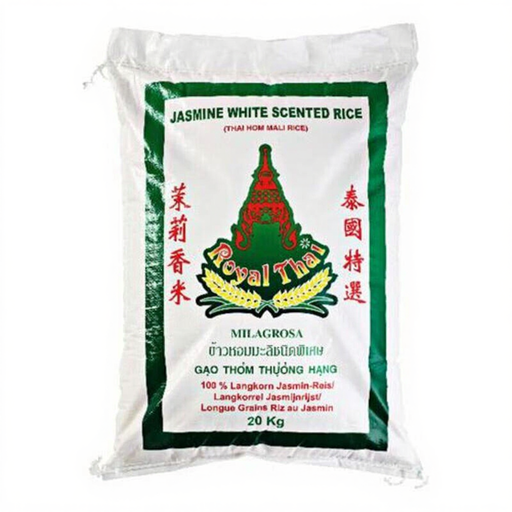
Why this fits the profile: A 20 kg bag suits restaurants, caterers and large families who cook rice frequently.
The product description clearly states its use for everyday meals, Asian dishes and catering; just check your storage space beforehand.
Thai fragrant long-grain rice; large pack for regular and heavy use.
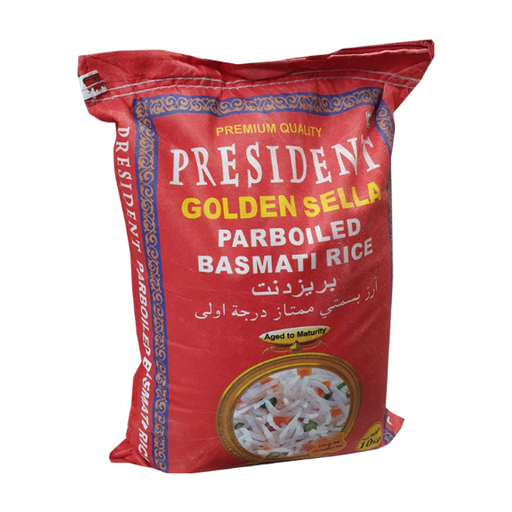
Why this fits the profile: Basmati and biryani lovers get a rice variety that differs in use from Thai jasmine rice.
The choice is based on rice type and cooking purpose, not just the word “fragrant”.
100% parboiled basmati rice according to the product information; 10 kg for regular use.
We’ve put together a full, up-to-date list of products that fully meet these strict selection criteria and comply with current European safety regulations.
Both jasmine rice and broken fragrant rice can be used. According to the product description, broken rice absorbs flavours easily and cooks quickly. Let freshly cooked rice cool down first before stir-frying; cold rice grains generally stay more distinct.
That depends on portion size and how often you eat rice. For occasional use, 1 to 5 kg is manageable. A 10 kg bag is better suited to a large family or frequent rice eaters. Rice 18 kg or rice 20 kg makes sense mainly when you regularly cook for several people or need rice for restaurants.
Keep the rice in a cool, dry place, away from direct sunlight and moisture. Seal the original bag well or use a clean, airtight storage container. Check the packaging and best-before information before use. That way, bulk rice stays practical to use without needing to open a new bag unnecessarily.
