
Vandaag of morgen in huis

Kwaliteit gegarandeerd

Welkomstaanbiedingen ontgrendelen: GRATIS bezorging | Tot 80% korting | Gratis 30 dagen JoyPlus-proefperiode
Download de app
Tissues and pocket tissues might seem like simple household products, but differences in thickness, size, material and packaging can make a big difference to how pleasant they are to use. A cheap pack might not be such a bargain if you end up needing several sheets at once, or if a tissue tears easily.
Marketing terms can also be confusing. A product labelled “extra soft” doesn’t automatically offer the same experience as a lotion tissue. And “flushable” doesn’t mean every wet wipe can be safely disposed of in any toilet. These pointers will help you avoid a bad buy.
A pack with lots of tissues might look like good value, but you also need to check the number of layers and the size of each sheet. A large 2-ply tissue can work out quite differently from a 4-ply pocket tissue with small sheets. So don’t just compare the total number of pieces – also look at:
With value packs of tissues, storage is also important. Large quantities take up space and need to be kept dry.
Words like “lotion”, “balm” or “for sensitive skin” describe a product feature or a brand’s positioning. They don’t guarantee a particular personal experience. According to the product description, Kleenex Balsam Pocket Tissues contain a layer of calendula balm. The Ochama lotion tissues mention a moisturising coating with glycerine. If you have any irritation, always check the ingredients and stop using them if your skin reacts uncomfortably.
Wet wipes feel practical, but your drains can be prone to blockages. Only use a product that is labelled as suitable for flushing, follow the recommended amount, and when in doubt, put it in the bin. Ordinary facial tissues, cotton facial tissues and wet cleansing wipes should never go down the toilet.
2-ply tissues are often compact and fine for light, everyday use. 3- or 4-ply tissues generally offer more material per sheet and are a good choice when you have a cold, for heavy use, or when you want a sturdier tissue. Also look out for terms like “wet strength” or “tear-resistant when wet”. These are verifiable product features, but they don’t automatically make a tissue suitable for every cleaning task.
For facial tissues, a soft texture is important. For drying hands or light cleaning, a firmer, thicker sheet can be more practical.
Many paper tissues are made from wood pulp. Other options include bamboo tissues or cotton tissues. The BABO products in this selection mention unbleached bamboo pulp and the absence of fluorescent substances in the product information. The C&S hanging tissues state 70% FSC Mix-certified. Such a certification tells you something about the origin of the raw materials according to the certification criteria, but not about softness or absorbency.
For cotton facial tissues, Purcotton states 100% cotton and OEKO-TEX Standard 100. According to the product description, these wipes are intended for dry and damp use. They are not flushable.
For a coat pocket, school bag or hand luggage, pocket tissues in small individual packs are handy. Check how many sheets are in each mini-pack. A pack with eight sheets is light and portable, but less suitable for a long journey or a household with several users.
For home or the office, box tissues are more practical. A box sits steadily on a desk, bedside table or table and is quick to use with one hand. A hanging tissue pack can save space in a kitchen or bathroom, but it does need a suitable hook or wall holder.
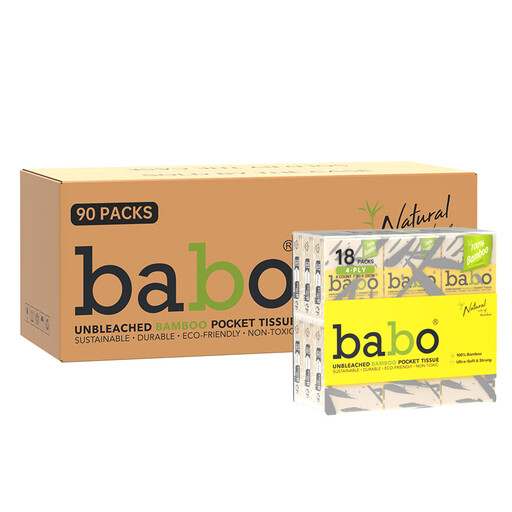
Why this fits the profile: The bundle of mini packs is practical for school, commuting and short trips. The 4-ply version contains eight sheets per mini-pack.
The specifications state the number of sheets, the four layers and the pocket size. This makes it easier to compare the contents than by bundle size alone.
Unbleached bamboo pulp according to the product information; compact 4-ply tissues for on the go.
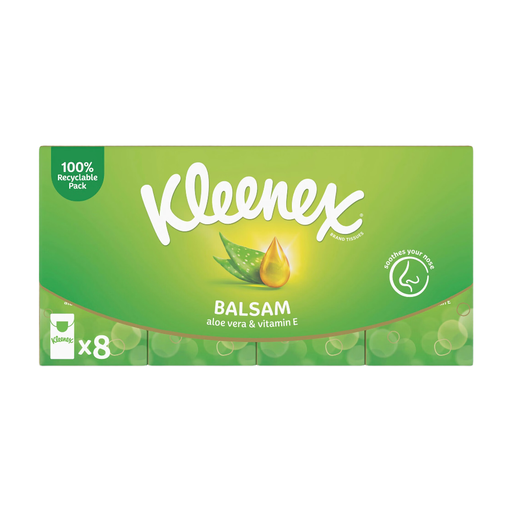
Why this fits the profile: These pocket tissues are aimed at users who want to carry a balm-coated option in their coat or bag when they have a cold.
The balm coating is clearly stated in the product description. Before use, do check the packaging and the information provided about ingredients and shelf life.
Eight pocket packs; balm tissue product type; suitable for carrying with you.
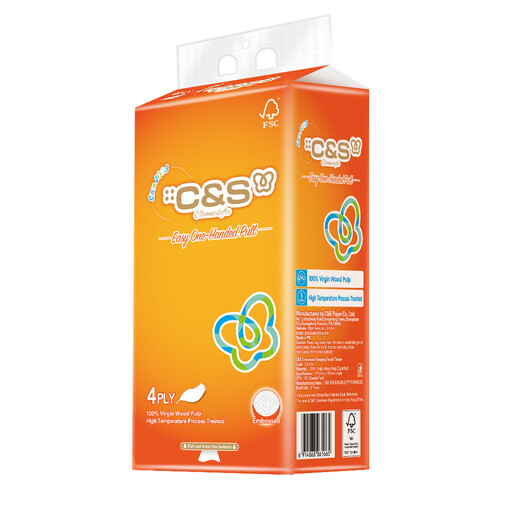
Why this fits the profile: The hanging pack suits a kitchen, bathroom or workspace where you often need a tissue and want to keep surfaces clear.
The contents, sheet type and hanging system are all clearly stated. Use the tissues dry or slightly damp and do not flush them, according to the product information.
4-ply structure; 250 sheets per pack; 70% FSC Mix-certified material according to the product description.
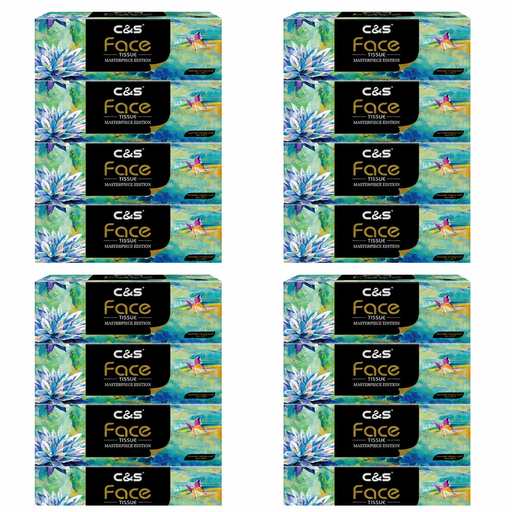
Why this fits the profile: With 16 boxes and 1,440 tissues, this bulk pack is ideal for several rooms, an office or a family that uses facial tissues every day.
The total number of sheets and boxes is specified. This lets you compare the stock against your actual usage and prevents a large pack from absorbing moisture unused.
4-ply facial tissues; 90 sheets per box; individual boxes for distribution around the home or office.
We’ve put together a full, up-to-date list of products that fully meet these strict selection criteria and current European safety regulations.
The shelf life varies from product to product. Check the packaging for a best-before date or the stated period of use. Store tissues and pocket tissues in a cool, dry place away from direct sunlight and moisture. Once opened, seal a lotion tissue pack well so the wipes don’t dry out.
That depends on the specific product and the instructions on the packaging. Even with a product that states it is flushable, it’s wise to use small amounts. Facial tissues, cotton wipes and ordinary wet wipes should never go down the toilet. When in doubt, putting them in the bin is the safe choice for your pipes.
Not always. Divide the total price by the number of sheets and also compare the ply thickness and size. A larger pack can make financial sense for a family or office, but it may be less suitable if you don’t use many or have limited storage space.
