
Vandaag of morgen in huis

Kwaliteit gegarandeerd

Welkomstaanbiedingen ontgrendelen: GRATIS bezorging | Tot 80% korting | Gratis 30 dagen JoyPlus-proefperiode
Download de app
Facial tissues may seem simple, but the differences between tissues are noticeable in everyday use. Some sheets tear easily when wet, while others may be less suitable for people who prefer to avoid fragrances because they contain perfume. A large pack is not automatically better value either if it contains only a small number of sheets per pack.
For families, offices and motorists, these three pitfalls are particularly relevant:
Many facial tissues are made from 100% virgin cellulose pulp or virgin wood pulp. According to the product information, this means the paper is made from new pulp rather than recycled fibres. Always check the packaging when the choice of material is important to you.
There are also alternatives:
Please note: terms such as “soft”, “skin-friendly” or “gentle” are often descriptions taken from the brand’s product information. Do not regard them as a medical or dermatological guarantee.
3-ply tissues are a popular choice for everyday use. They offer a balance between flexibility, softness and material consumption. 4-ply tissues are thicker and, according to the product description, may offer greater strength and absorbency, but they often take up more space too.
As well as the ply count, look at:
For example, a tissue measuring 195 × 133 mm provides different coverage from a smaller tissue. Boxes are convenient for a desk or living room, while pocket tissues fit more easily in a coat pocket, handbag or car.
Lotion tissues are designed to feel softer, according to g'woon’s product description. They can be useful in the bathroom, on a dressing table or in the car. If you prefer fragrance-free products, unscented versions are the more logical choice.
According to the product information, a product with a floral fragrance explicitly contains perfume. If you are sensitive to fragrances, it is sensible to check the ingredients and warnings on the packaging. Stop using the product if irritation occurs.
Also, do not use facial tissues as toilet paper. Paper facial tissues are generally not designed to be flushed down the toilet. Put used tissues in the bin unless the packaging explicitly states otherwise.
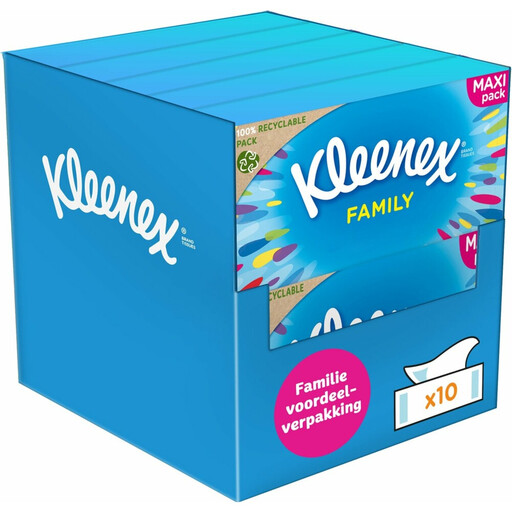
Why it suits this profile: The pack contains 10 packs of 128 tissues, making it practical for a household that uses tissues regularly.
The total number of sheets and the distribution across 10 packs are clearly stated. According to the product information, the tissues are soft and strong and carry an FSC statement.
1,280 sheets in total; material according to the product information: 100% virgin cellulose pulp.
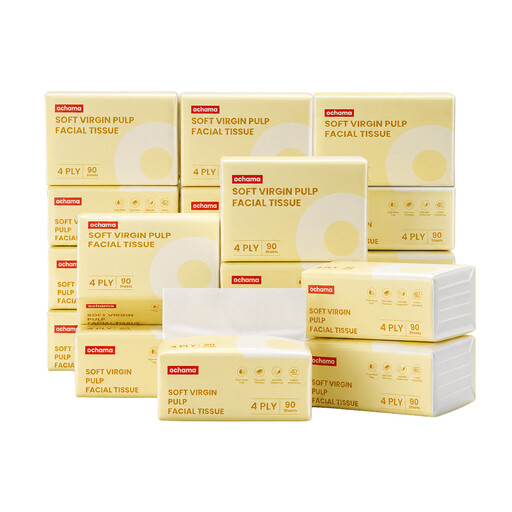
Why it suits this profile: The 4-ply design is aimed at shoppers looking for a thicker tissue for use at home, in the office and for everyday cleaning.
The specification states both the ply count and the total number of sheets: 20 packs of 90 sheets. This makes it easier to compare the contents.
4-ply structure; 1,800 sheets; 4D embossing according to the product information.
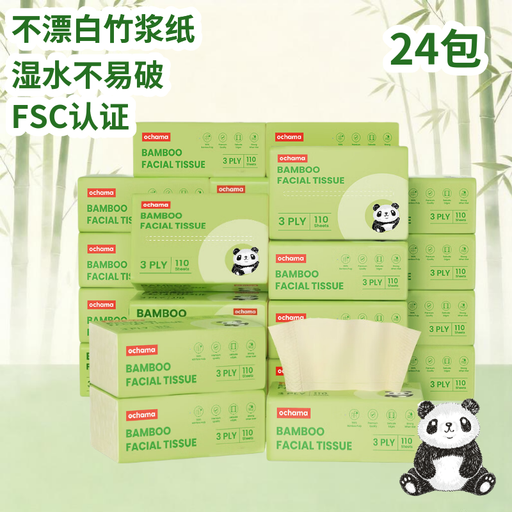
Why it suits this profile: This large pack is aimed at families, offices and households that use a lot of tissues and want to consider bamboo pulp.
The packaging states that there are 24 packs of 110 sheets. This means you can calculate the price per sheet instead of judging the pack on its own.
100% virgin bamboo pulp according to the product information; 2,640 sheets; 3-ply.
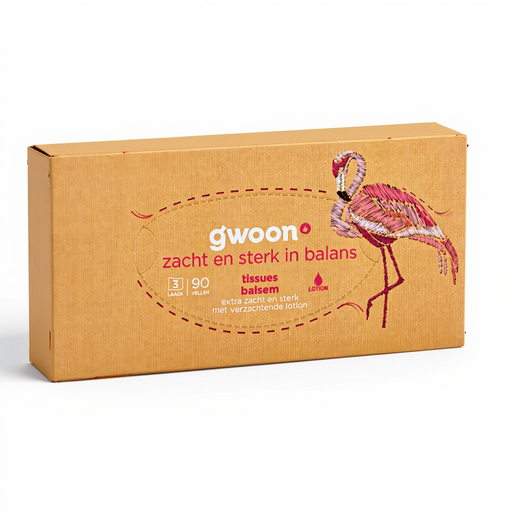
Why it suits this profile: The compact packaging is convenient for a coat pocket, bag, glove compartment or hand luggage.
The pocket size means you do not have to carry a large family pack. The contents are specified as 8 packs with a total of 72 tissues.
Compact packaging; tissues for travel; dispose of them in the bin according to the usage instructions.
We have put together a complete, up-to-date list of products that fully meet these strict selection criteria and the applicable European safety regulations.
Calculate the price per sheet using this simple formula:
Total price ÷ total number of sheets = price per tissue
When doing so, check that all packs contain the same number of sheets. For example, a box with 8 packs of 90 sheets contains 720 sheets. A family pack with 20 packs of 90 sheets contains 1,800 sheets. The lower price per pack therefore tells you very little without comparing the total quantity.
For everyday use at home, large packs of tissues or a family pack are often practical. Store unopened packs in a dry place away from direct sunlight. In a humid bathroom, paper may lose its properties more quickly; keeping it in sealed packaging helps to minimise this.
That depends on the product. Check whether the tissues are unscented and read the material and safety information. Some product descriptions state that certain tissues are suitable for all skin types, but this is not a medical guarantee. Stop using them if irritation occurs.
4-ply tissues consist of four layers of paper and may therefore feel thicker than 3-ply tissues. Also compare the sheet size, type of fibre and number of sheets. More layers do not automatically mean that a product is better value for your intended use.
In most cases, no. Facial tissues and ordinary paper tissues are not the same as toilet paper. Follow the instructions on the packaging and preferably put used tissues in the bin to help prevent blockages.
