
Vandaag of morgen in huis

Kwaliteit gegarandeerd

Welkomstaanbiedingen ontgrendelen: GRATIS bezorging | Tot 80% korting | Gratis 30 dagen JoyPlus-proefperiode
Download de app
A pack of tissues, toilet paper or kitchen roll might seem simple to pick. Yet sometimes you end up paying for a large number of sheets that are small, tear easily or turn out to be less suitable for your needs. With paper hygiene products, it's not just about the price on the pack, but also about ply thickness, sheet size, material, packaging and intended use.
A pack with lots of rolls may look like good value, but the number of sheets per roll and the size of those sheets can vary a lot. So don't just compare the number of rolls – also look at:
For tissues on the go, a compact pack matters more than a large number of loose sheets. For a family, a bulk pack of facial tissues can be more practical.
A tissue for your face has a different job to absorbent kitchen paper. Kitchen roll is designed for soaking up moisture, grease and dirt. Paper handkerchiefs are mainly handy for temporary use on the go or in the car. Use wet wipes and moist toilet paper according to the instructions on the pack, and don't automatically flush them down the toilet.
Even a product that claims to stay strong when wet isn't suitable for flushing. That can cause blockages.
When you see a sustainability claim, look for a specific certification or a clear material declaration. FSC-certified paper refers to paper made from raw materials that have been checked according to FSC conditions. Always check whether it applies to the paper itself or the packaging, and what proportion of certified material is present.
The C&S Embossed Hanging Tissues, for example, state 70% FSC Mix-certified material. That's more specific than a general reference to responsible paper.
The number of plies tells you something about the construction, but not everything about the user experience. 4-ply toilet paper can feel sturdier than 2-ply paper, while a 3-ply tissue may be enough for daily use. Also pay attention to embossing, sheet size and how the paper is folded or rolled.
For toilet paper, these details are relevant:
The C&S Toilet Tissue has, according to the product specifications, 4 plies, 12 rolls of 140 grams and sheets measuring 101 × 138 mm. The product information also advises flushing small amounts due to the thickness.
For kitchen paper, the combination of absorbency and wet strength is important. A sheet that becomes saturated quickly uses up more paper. A sheet that falls apart on contact with water is less practical for spills or cleaning.
Look for terms such as:
These terms are only useful when backed up by concrete product specifications. A brand claim about performance should be seen as information from the manufacturer, not as a universal guarantee for every cleaning task.
Paper absorbs moisture from the environment. So store toilet paper, kitchen roll and tissues in a dry place, out of direct sunlight and away from heat sources. A hanging pack can be handy in a small bathroom or kitchen. A paper wrapper may be appealing if you want less plastic around the rolls, but also check whether the packaging is sturdy enough for storage.
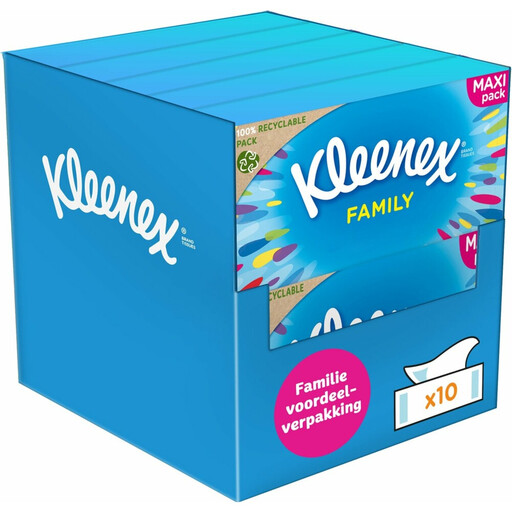
Why this fits the profile: A large pack with 10 individual packs is practical for households that use facial tissues regularly and want to stock up.
The packaging states both 10 packs and 128 pieces per pack. This makes it easier to estimate the total quantity than with a pack that lacks clear numbers.
1,280 tissues in total; the product information mentions soft and strong tissues and FSC certification.
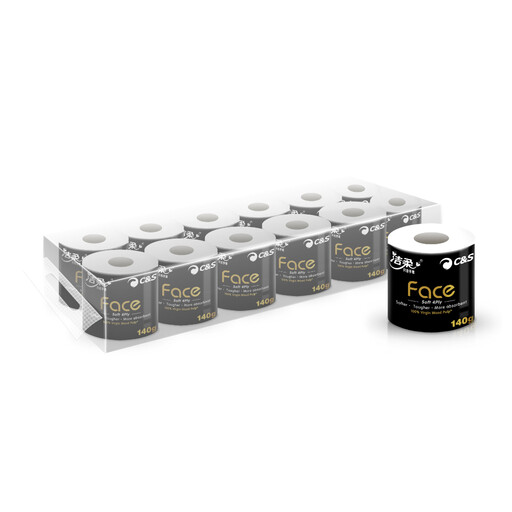
Why this fits the profile: Suitable for households that value an unscented, thicker roll and clear product specifications.
The number of plies, roll weight and sheet size are all listed. This lets you compare thickness based on facts, not just marketing language.
4 plies; 12 rolls of 140 grams; unscented according to the product information.
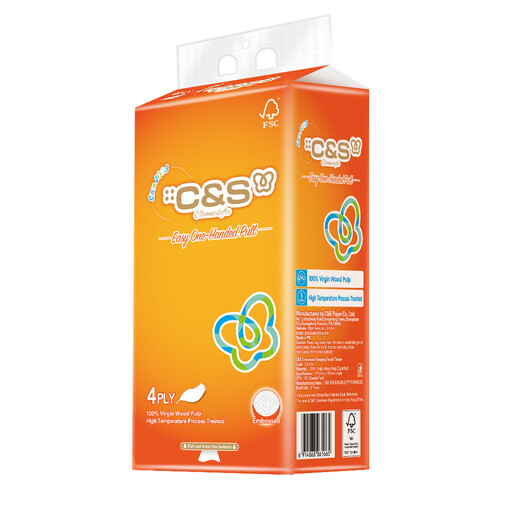
Why this fits the profile: Handy for a small kitchen, bathroom or workspace where you want to hang the paper on a hook and grab it quickly.
The hanging design saves space. The product description also mentions wet strength, but clearly states that the paper must not be flushed down the toilet.
250 sheets per pack; 4 plies; sheet size 170 × 131 mm; 70% FSC Mix according to the product specification.
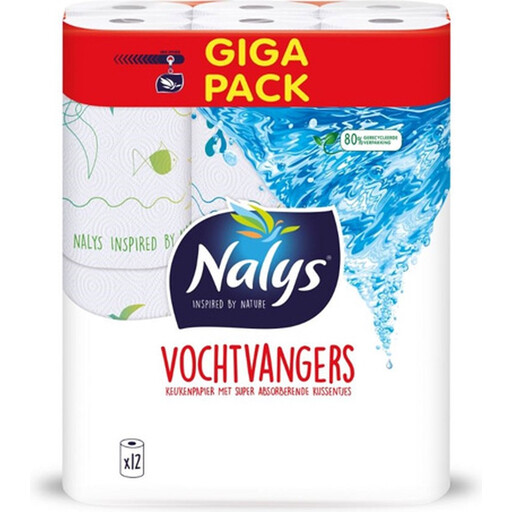
Why this fits the profile: A bulk pack for families, shared homes or kitchens where spills and cleaning happen daily.
The product information mentions a structure with absorbent pads and extra-long rolls. This makes it clear the product is designed for soaking up moisture and bulk use.
12 rolls; extra-large sheets according to the product description; packaging made from 80% recycled film.
We've put together a full, up-to-date list of products that fully meet these strict selection criteria and comply with current European safety regulations.
For a bag, car or desk drawer, tissues for on the go are practical. The Kleenex Pocket Tissues come as 8 compact packs with 72 tissues in total. Tempo Original Tissues are also supplied in 10 pocket packs. For both products, the usage information states: dispose of in the bin after use and do not flush.
For personal hygiene on the go, wet wipes are an option, but pay attention to the ingredients, fragrances and storage instructions. The g'woon Wet Toilet Paper contains 80 sheets and, according to the product information, must not be flushed down the toilet. For surfaces, g'woon All-Purpose Wipes with 80 wipes are intended; this is not a product for skin or face.
Dry paper generally doesn't have a short shelf life, but moisture, heat and direct sunlight can affect quality. Store tissues, toilet paper and kitchen roll sealed and dry. For wet wipes, the expiry or usage information on the pack is what matters.
A combination usually works best: toilet paper for the bathroom, soft tissues for face and hands, and kitchen paper for spills. Keep plastic packaging and loose products out of reach of young children. Wet wipes belong in the bin, unless the packaging explicitly states otherwise.
Not always. Thicker paper may contain more material per sheet, but the price per sheet or per use can be higher. So compare plies, sheet size, number of sheets and price per pack. Choose for the task you need the product for, rather than just going for the thickest option.
