
Vandaag of morgen in huis

Kwaliteit gegarandeerd

Welkomstaanbiedingen ontgrendelen: GRATIS bezorging | Tot 80% korting | Gratis 30 dagen JoyPlus-proefperiode
Download de app
A portable hob is useful for camping, a student room, a motorhome or a small kitchen. However, the differences between models can be significant. A camping gas burner works differently from an electric hob, while a portable induction hob requires specific cookware.
Most purchasing mistakes usually come down to three things:
Below, you can find out which specifications to check and which type of camping cooker suits your situation.
A portable gas camping hob is suitable when you do not have access to a power socket. Gas burners are popular with backpackers and hikers because they take up relatively little space. Pay attention to the fuel type: some models use butane, while others use propane, isobutane or a combination of these.
Only use a camping gas burner outdoors in a well-ventilated area. A tent, caravan or small room is not a safe place for an open flame because of the risk of fire and possible carbon monoxide build-up. Before every use, check the connections, O-rings and hose or adapter for damage and leaks.
An electric hob requires a power socket, but it is easy to use. A model with one cooking zone is practical as an extra burner in a small kitchen, student room or motorhome with a suitable power supply. A power rating of 1,500 to 2,000 watts is common for cooking and frying, but check that the circuit and inverter can handle it.
A ceramic or cast-iron plate generally works with various types of cookware. When first used, some models may temporarily produce a slight smell or smoke as a protective coating evaporates, according to the product description. Ventilate the room and always follow the instructions.
A portable induction hob heats the pan using magnetic induction. You therefore need a pan with a magnetic base. An easy test is to check whether a magnet sticks to the underside. Aluminium, glass and ceramic cookware without a magnetic base will not work properly.
Induction models often include features such as pan detection, overheat protection, a timer and child lock. This makes them practical for use at home, but the glass plate and pan may remain hot during and after cooking. Allow the appliance to cool down before cleaning it.
Power is usually stated in watts. A 1,500-watt model is sufficient for everyday cooking with one pan. Gas models are often rated in watts, but the stated figure does not tell you everything about performance in windy conditions or low temperatures.
For solo use, a compact hob with 1,000 to 2,000 watts is often suitable. If you cook for several people, a stable pan support and good flame control are more useful than simply choosing a higher figure.
Every gram counts when backpacking. According to the product information, the BRS 3000T weighs just 26 grams, while the BRS 11-Series weighs 240 grams and includes a carry bag. An integrated cooking system may be more efficient despite being slightly heavier, because the pan, burner and lid fit together.
Also check the packed size. The BRS TS19 has a storage size of approximately 105 millimetres in diameter and 85 millimetres in height, and weighs 0.425 kilograms. This fits more easily into a rucksack than a barbecue or charcoal model weighing several kilos.
Before buying, check:
A sturdy base is particularly important when using a camping cooker with a large pan. According to the product description, some compact burners support a maximum of 5 kilograms. This is useful information, but distribute the weight evenly and do not cook on an unstable surface.
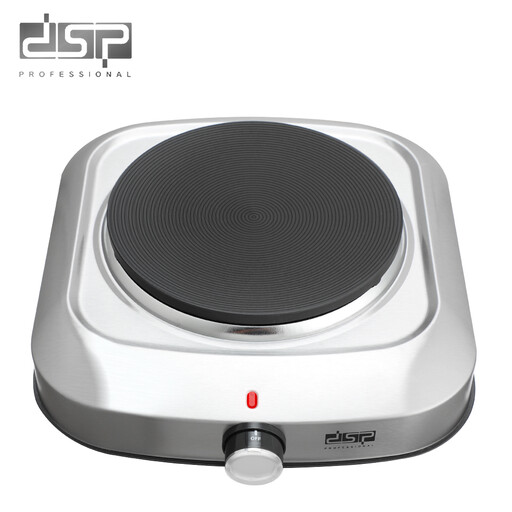
Why it suits this profile: This single-ring hob plugs into a standard socket and has adjustable temperature control. It is therefore suitable for a student room, small kitchen or as an extra cooking zone.
The stated power of 1500W and the temperature dial make the technical specifications clear. No gas cartridge or adapter is required.
1500W power, stainless steel housing and a 185mm cooking plate. Suitable for a range of cooking tasks.

Why it suits this profile: This slim induction hob is designed for anyone who values precise control and extra features in a small kitchen, office space or motorhome.
The product description explicitly states a suitable pan size of 12–26cm. This allows you to check compatibility in advance.
2000W power, 8 power levels, a timer of up to 3 hours and a child lock. Suitable only for magnetic cookware.
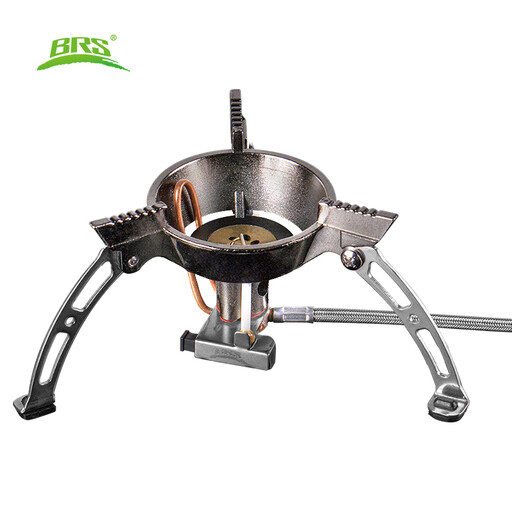
Why it suits this profile: This lightweight camping burner is aimed at hikers, backpackers and campers who need adjustable flame control and multiple connection options.
The product information lists butane, EN 417 threading and 1lb propane tanks. The included adapter and mounting base make the connection easier to verify; the gas cartridge is not included.
240 grams, foldable pot supports, piezo ignition and adjustable power of up to 3240W. According to the product description, the support can hold up to 5kg.
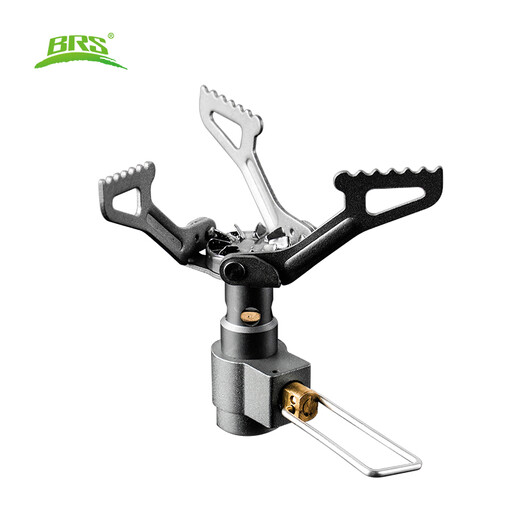
Why it suits this profile: Weighing 26 grams, this outdoor cooker is designed for anyone who wants to carry as little weight as possible on long walks and treks.
The weight and stated fuel connection are clearly specified. The foldable pot supports reduce the packed size, but they do require a stable surface.
Titanium construction, 1940W power and a stated cooking time of approximately 2 minutes and 58 seconds for 1 litre of water. Gas bottle not included.
We have put together a complete, up-to-date list of products that fully meet these strict selection criteria and the applicable European safety regulations.
No. A gas burner or any other open-flame cooker must not be used in a tent or enclosed space. Outdoors, choose a flat, non-flammable surface with sufficient ventilation. An electric or induction hob does not have an open flame, but only use it if the instructions and power supply are suitable.
Use a pan with a magnetic, flat base. Also check the recommended diameter for the hob. For example, the IAGREEA model in this article states a suitable diameter of 12 to 26 centimetres. An ordinary aluminium or ceramic pan without a magnetic layer will not be detected.
For gas models, the cost depends on the fuel type, burn time, power and weather conditions. For an electric hob, you can estimate consumption roughly using: power in kilowatts multiplied by usage time in hours. A 2,000-watt appliance running at full power for half an hour theoretically uses 1 kilowatt-hour. In practice, the appliance will often reduce its power or will not heat continuously at maximum power.
