
Vandaag of morgen in huis

Kwaliteit gegarandeerd

Welkomstaanbiedingen ontgrendelen: GRATIS bezorging | Tot 80% korting | Gratis 30 dagen JoyPlus-proefperiode
Download de app
A portable cooker may seem simple: choose a burner or hot plate, take a pan and start cooking. In practice, problems often arise because of an unsuitable fuel connection, inadequate ventilation or a cooker that is incompatible with your cookware. This applies to campers and backpackers, as well as students, motorhome travellers and people living in small flats.
Pay particular attention to these three common pitfalls:
For gas appliances, power is usually stated in watts; the same applies to electric appliances. According to the product description, a higher power output can provide faster heating, but the actual results also depend on wind, pan material, the amount of water and whether you use a lid.
For an electric hot plate, also check:
An induction cooker only works with magnetic pans, such as suitable stainless steel or cast iron cookware. An aluminium pan without a magnetic base will not be detected. A ceramic electric hot plate is more flexible in this respect and generally works with a wider range of cookware.
A portable camping gas stove is practical in places without mains electricity, but always check the fuel type. Some models are suitable for butane, while others use propane, isobutane or a combination. The connection can also vary.
Pay attention to:
Only use a camping gas stove outdoors and in a well-ventilated area. Never use it in a tent, caravan, motorhome or other enclosed space. Before every use, check the connections for damage and leaks. Keep flammable materials away and allow the appliance to cool completely before storing it.
Every gram counts when backpacking. A lightweight camping stove weighing a few hundred grams may be suitable for boiling water and preparing simple meals. Don’t just look at the weight of the burner: consider the complete system, including the gas canister, adapter, pan, wind protection and carry case.
A backpacking cooker is particularly practical when:
For a motorhome cooker or use in a small home, stability, ease of cleaning and a longer power cable are often more important than the lowest possible weight.
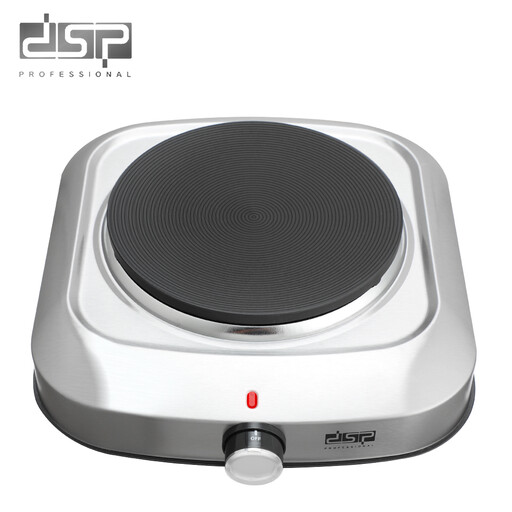
Why it suits this profile: This single-ring hot plate plugs into a socket and has a rotary control for different heat settings. That makes it suitable as an additional cooking facility in a student room, small flat or any location with mains electricity.
The product specification states 1500 W and adjustable heat, so you don’t have to rely solely on a marketing claim. No gas canister or adapter is required.
1500 W power, stainless steel housing and a 185 mm hot plate. According to the product description, the appliance is compact and easy to clean.
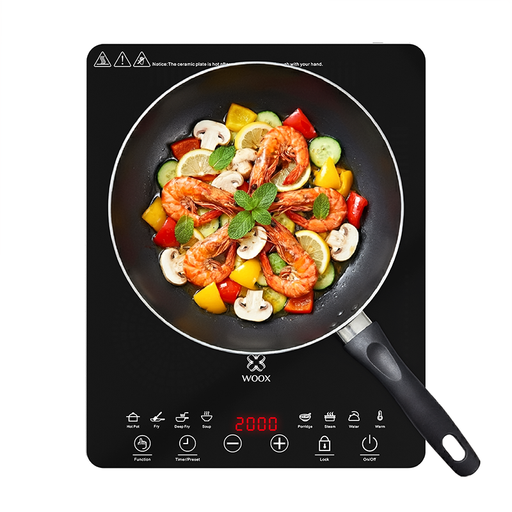
Why it suits this profile: This portable hob is ideal for anyone who values precise control and multiple safety features, for example in a small kitchen, student room or motorhome with mains electricity.
The product specification lists automatic pan detection, a timer, automatic switch-off and a child lock. However, check that your pans are magnetic.
2000 W, eight power and temperature levels, an LED display and four pre-programmed functions. Suitable for pans with an induction base.
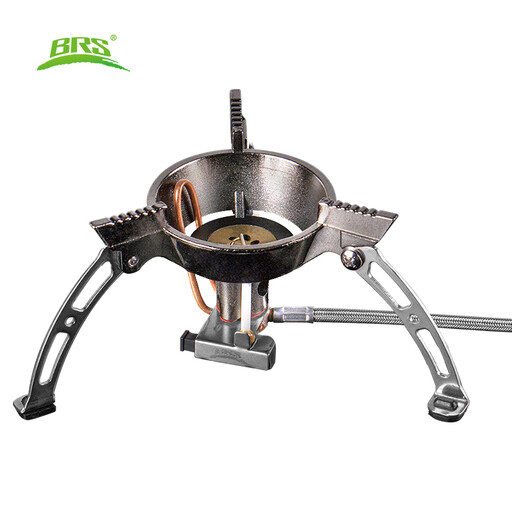
Why it suits this profile: This camping gas stove is designed for walkers, backpackers and campers who cook outdoors without mains electricity and value low weight, flame control and broad connection compatibility.
The fuel compatibility and included adapters are specified. The gas canister is not included, so remember to factor in this additional purchase.
240 grams, up to 3240 W according to the product description, wind protection and a pan support with a stated load capacity of up to 5 kg.
We’ve compiled a complete, up-to-date list of products that fully meet these strict selection criteria and the applicable European safety regulations.
Choose a gas model if you mainly cook outdoors, don’t have access to a socket and value low weight. An outdoor cooker with folding legs is useful for short walks and hiking trips. Always check in advance which gas canister is available along your route.
An electric hot plate is a better choice for a student room, small flat, office or motorhome pitch with a reliable mains supply. A ceramic model accepts a wider range of pans, while an induction model generally only works with magnetic cookware. For one person, a compact 1.6-litre electric pan may be enough for noodles, soup or simple one-pot meals.
That depends on the type. A gas burner must not be used inside an enclosed motorhome because of combustion gases. An electric hot plate can only be used when the power supply, ventilation and surface are suitable. Always follow the manufacturer’s instructions and safety guidance.
The cost depends on gas consumption, power output, outdoor temperature and cooking time. A higher power output may cook food more quickly, but it may also use more fuel. Therefore, check the stated fuel compatibility and take a suitable spare supply on longer trips.
Its lifespan is affected by how often it is used, how it is cleaned and how it is stored. Allow the appliance to cool before cleaning it, keep ventilation openings clear and store a gas burner in a dry place. For gas models, regularly check hoses, O-rings and connections for wear. On electric models, the plug, cable and housing must not be damaged.
