
Vandaag of morgen in huis

Kwaliteit gegarandeerd

Welkomstaanbiedingen ontgrendelen: GRATIS bezorging | Tot 80% korting | Gratis 30 dagen JoyPlus-proefperiode
Download de app
More and more women are switching to organic tampons. The reason is simple: it's a conscious choice for your body and the environment. But the market is flooded with products claiming to be "natural" or "pure," making it difficult to know what you're really buying. Many tampons still contain unwanted substances or hidden plastics.
As a Joybuy Product Recommendation Officer, I'm here to help you cut through the marketing jargon. In this guide, we'll discuss the most common pitfalls and give you objective criteria to make the right choice.
Before you add a box to your cart, it's wise to know which marketing claims can be misleading. These are the two most common issues:
To avoid making the wrong choice, you can focus on a few clear, verifiable specifications. These features determine the quality and suitability of a tampon.
The most important factor is the material. 100% cotton tampons are a good start, but organic cotton goes a step further. This type of cotton is grown without the use of synthetic pesticides and chemicals, which is especially relevant for a product you use inside your body. Look for certifications like the Soil Association or GOTS (Global Organic Textile Standard). These certificates guarantee that the cotton meets strict organic standards.
For a tampon for sensitive skin, it's crucial to check for unnecessary additives.
Not everyone has the same preferences. That's why we've highlighted a few popular choices that suit different profiles, based on their product specifications.
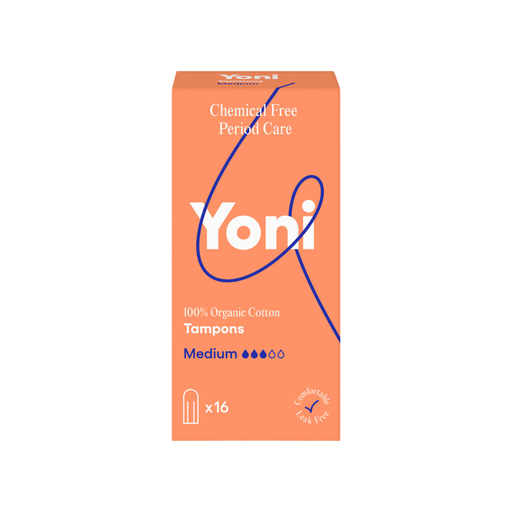
Why This Fits Their Persona: Ideal for those seeking an uncompromising product that is gentle on the body and the planet. You want to know exactly what you're using, without any ambiguity.
This product is made from 100% certified organic cotton, so there are no vague 'natural' claims. The wrappers are made of bioplastic, which solves the 'hidden plastic' problem.
Certified by the Soil Association, which guarantees its organic origin. According to Yoni, the product is fully biodegradable and hypoallergenic.
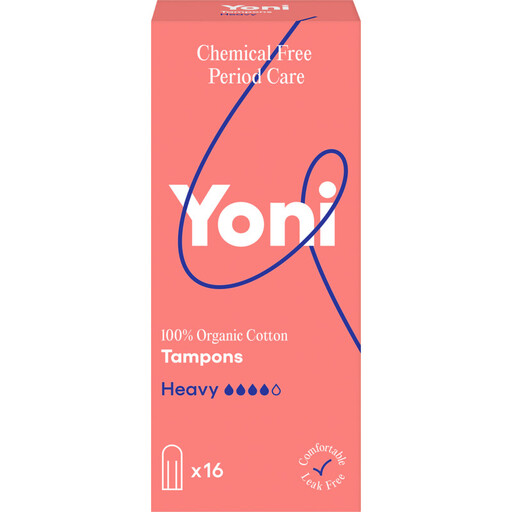
Why This Fits Their Persona: You need high absorbency for heavier days but want to avoid any risk of irritation from chemicals, fragrances, or synthetic materials.
According to the brand, this product is completely fragrance-free, chlorine-free, and hypoallergenic. The material is pure organic cotton, which minimises the risk of skin reactions.
Combines high absorbency ('Heavy') with the softness of organic cotton. The ingredients are clearly listed on the box for full transparency.
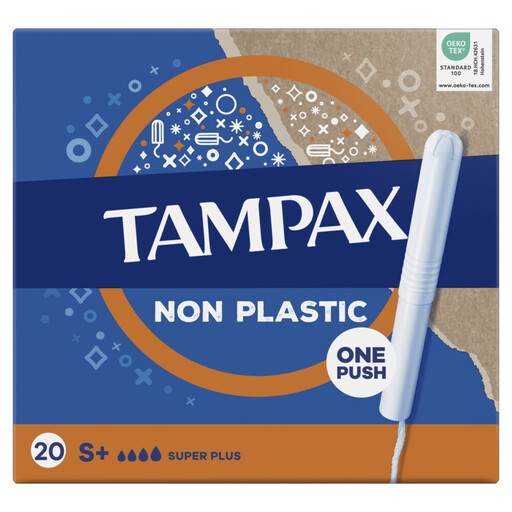
Why This Fits Their Persona: You want to switch to tampons without a plastic applicator but prefer to stick with a trusted brand. A practical first step towards a more sustainable period.
Directly addresses the 'hidden plastic' problem with a cardboard applicator. The tampon itself is fragrance-free, and according to Tampax, the comfort top layer is 100% cotton.
Independently tested for harmful substances by Oeko-Tex. An accessible and affordable step towards more sustainable menstrual products.
We have compiled a complete, up-to-date list of products that meet these strict selection criteria and comply with UK & EU regulations.
The main difference lies in the cultivation. Organic cotton is grown without synthetic pesticides, herbicides, and fertilisers. Regular cotton is one of the most heavily sprayed crops in the world. For a product that comes into direct contact with one of the most absorbent parts of your body, many women therefore prefer to choose an organic option.
Yes, but usually only through industrial composting. A tampon made of 100% cotton is theoretically compostable at home, but it is not recommended to add menstrual blood to your compost pile for hygiene reasons. Most biodegradable tampons and their bioplastic wrappers break down best in an industrial composting facility. Therefore, dispose of them with your general waste unless the packaging explicitly states otherwise.
The absorbency level of tampons is indicated by a droplet system. This system is standardised for all brands in Europe. You can simply compare the number of droplets on the packaging of your current tampons with that of an organic brand like Yoni tampons. This ensures you choose the right absorbency for light, normal, or heavy days.
