
Vandaag of morgen in huis

Kwaliteit gegarandeerd

Welkomstaanbiedingen ontgrendelen: GRATIS bezorging | Tot 80% korting | Gratis 30 dagen JoyPlus-proefperiode
Download de app
Buying tampons might seem straightforward, but the differences between the various types really matter. A tampon for a normal period may not offer enough protection on a heavy day, while a super plus tampon can feel unnecessarily large or uncomfortable when your flow is light. Terms like "organic", "cotton" and "plastic-free" also deserve a closer look.
Three common pitfalls to avoid:
Tampons for a normal period often fall into the regular or medium category. For heavy days, heavy, super or super plus are the usual labels. The droplet symbols on the packaging help you compare different brands.
A practical guide:
A tampon shouldn't feel painfully dry when you remove it. If you often experience leaks despite following the usage instructions, talk to your GP or another healthcare professional. Product choice is not a substitute for medical advice.
If you're looking for organic tampons or cotton tampons, it's worth checking the full list of ingredients. According to the product information, the Yoni options are made from certified organic cotton. Yoni's description states this cotton is certified by the Soil Association. The products are also listed as fragrance-free, chlorine-free and plastic-free.
With fragrance-free tampons and hypoallergenic tampons, it's wise to verify the claim on the packaging. A pleasant scent isn't necessary for period products and, for some users, it's actually a reason to choose a perfume-free option.
A tampon with an applicator can be handy if you prefer a more controlled insertion. A cardboard applicator uses different materials from a plastic one. The Tampax options below mention a cardboard applicator and a plastic-free composition, according to the product information.
Always read the leaflet and keep the information on tampon use. Tampons are linked to TSS, a rare but serious condition. Use the product as directed on the packaging, change it on time and choose the lowest suitable absorbency. The exact recommended wear time can vary between products, so follow the instructions on the box.
Store tampons in a dry place and check the expiry or usage information on the packaging. A pack of 16 can be practical if you want to try a type first. Larger boxes, such as boxes of 32, are more convenient when you already know the absorbency and shape suit you.
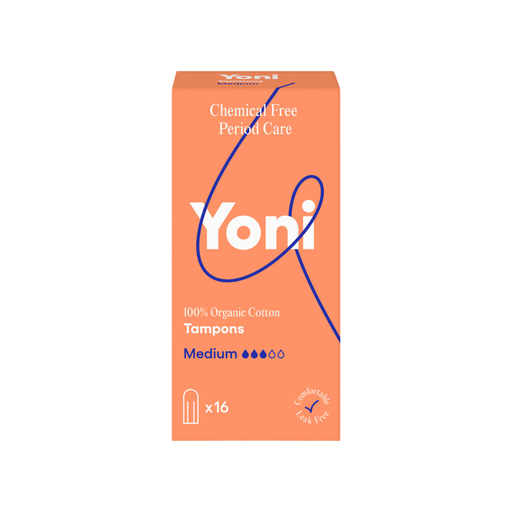
Why this fits the profile: This pack of 16 is a sensible choice if you want to try tampons for a normal period without committing to a large stock straight away.
The type is clearly labelled as medium. According to the product information, it contains certified organic cotton and no perfume or plastic.
16 pieces; certified organic cotton according to the product description; fragrance-free and plastic-free as per the stated product specifications.
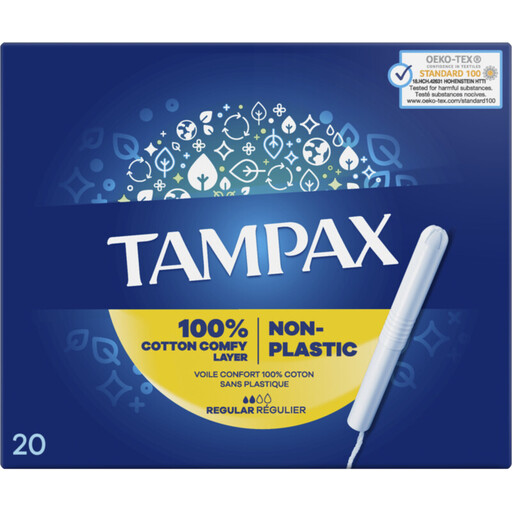
Why this fits the profile: The applicator is designed for users who prefer a controlled insertion. According to the product description, Regular is suitable for light to average flow.
The absorbency category and applicator type are clearly stated. The product information mentions no perfume, colourants or plastic.
20 pieces; cardboard applicator; 100% cotton cover according to the product description; suitable for light to average flow.
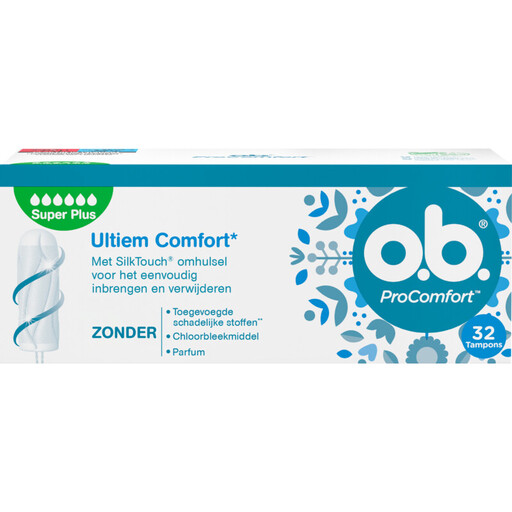
Why this fits the profile: This pack is aimed at users who regularly need very high absorbency and prefer to buy a stock of 32 pieces.
The type is specifically labelled as super plus for very heavy days. This makes the choice clearer than with a general pack that has no absorbency class.
32 pieces; fragrance-free and chlorine-free according to the product information; silktouch surface and grooves that channel fluid to the core.
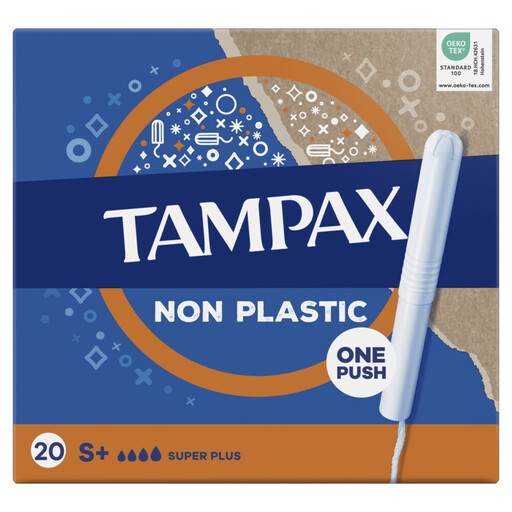
Why this fits the profile: This option combines high absorbency with a cardboard applicator for users who don't want a plastic applicator during heavy days.
The packaging states super plus, cardboard and a composition free from perfume and plastic, according to the product information.
20 pieces; cardboard applicator; cotton cover according to the product description; designed for heavy periods.
We've put together a full, up-to-date list of products that fully meet these strict selection criteria and comply with current European safety regulations.
Follow the instructions on the packaging. Some products recommend changing every 4 to 6 hours; others every 4 to 8 hours. Don't use a tampon for longer than stated and choose a lower absorbency when that's sufficient.
Not automatically. Organic tampons can be of interest if certified cotton or a clear material listing matters to you. Always check the absorbency, size and any claims about perfume, plastic or hypoallergenic properties too.
Super plus generally has a higher absorbency class than super. Check the droplet symbols and the usage instructions on the packaging. Only choose super plus when your period genuinely requires it; a higher absorbency isn't intended as a general comfort choice.
